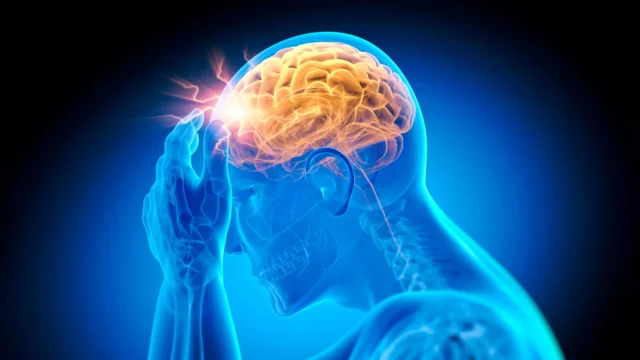
The research team, spearheaded by Bruce Yankner, a professor of genetics and neurology at the Blavatnik Institute at Harvard Medical School (HMS), demonstrated that lithium is not merely a pharmacological intervention for mood disorders but a naturally occurring essential element that shields the brain from degeneration. The findings indicate that lithium maintains the health of all major brain cell types and that its depletion—often caused by the presence of amyloid-beta plaques—accelerates the march of Alzheimer’s.
The Mechanistic Link: How Lithium Loss Fuels Neurodegeneration
For over thirty years, the "amyloid cascade hypothesis" has dominated Alzheimer’s research, suggesting that the accumulation of amyloid-beta protein is the primary driver of the disease. However, the failure of many amyloid-targeting drugs to restore memory has led scientists to search for secondary factors. The HMS study proposes that amyloid-beta is toxic not only because of its physical presence but because of its biochemical interactions; specifically, it binds to lithium in the brain, effectively sequestering it and preventing it from performing its protective functions.
Using advanced mass spectroscopy to analyze human brain tissue, the researchers found that lithium levels are markedly high in cognitively healthy individuals but significantly diminished in those suffering from mild cognitive impairment (MCI) and advanced Alzheimer’s. This depletion occurs at the very earliest stages of the disease, suggesting that lithium loss is a harbinger of the cognitive decline to come.
In animal models, the researchers found that inducing a lithium deficiency through diet replicated the hallmarks of Alzheimer’s, including brain inflammation, the loss of synaptic connections between neurons, and the degradation of myelin—the protective coating of nerve fibers. Conversely, when mice were treated with a novel lithium compound designed to evade capture by amyloid plaques, their memory was restored, and the progression of the disease was halted.
A Chronology of Discovery: Ten Years in the Making
The journey toward this discovery began in the 1990s, when Dr. Bruce Yankner became the first scientist to demonstrate that amyloid-beta is directly toxic to neurons. Over the subsequent decades, Yankner and his colleagues turned their attention to the REST protein, a master regulator that protects aging neurons from various stresses. Their investigation into how REST is regulated eventually led them to lithium, a known stabilizer of neuroprotective pathways.
To move beyond laboratory observations, the team required a vast repository of human data. They partnered with the Rush Memory and Aging Project in Chicago, gaining access to postmortem brain tissue from thousands of donors. This longitudinal study provided a unique "map" of cognitive health, allowing the HMS team to compare the brains of those who died with severe dementia against those who remained sharp until the end of their lives, despite having amyloid plaques in their brains.
By 2014, the team began using high-sensitivity mass spectroscopy to profile trace metals in these samples. Of the 30 metals screened—including iron, copper, and zinc—lithium was the only one that showed a consistent, dramatic decline correlated with the severity of cognitive impairment. This observation was then tested in mouse models over several years, culminating in the development of "amyloid-evading" lithium compounds that could bypass the biological "traps" set by the disease.
Supporting Data: Lithium as a Biological Essential
The HMS study reframes lithium as a biological necessity, akin to vitamin C or iron. While the medical community has long known that high doses of lithium carbonate can treat bipolar disorder, this study is the first to prove that lithium exists naturally in the human brain at concentrations that are biologically meaningful.
The data gathered from multiple national brain banks confirmed that:
- Early Depletion: Lithium levels drop by as much as 50% to 70% in the brains of patients with early-stage MCI compared to healthy controls.
- Genetic Interaction: Lithium levels influence the expression of the APOE gene, the most significant genetic risk factor for late-onset Alzheimer’s.
- Microglial Health: Lithium is essential for the function of microglia, the brain’s immune cells. When lithium is absent, microglia become inflammatory and lose their ability to clear out toxic proteins.
- Dosage Efficiency: The researchers found that lithium orotate, a specific formulation of the element, was effective in mice at one-thousandth the dose typically prescribed for psychiatric conditions. This low dose was sufficient to restore "natural" brain levels without the toxicity associated with traditional lithium treatments.
Addressing the Toxicity Challenge: The Role of Lithium Orotate
A significant hurdle in using lithium for elderly patients has been its narrow therapeutic index. At high doses, lithium carbonate can cause kidney damage, tremors, and cognitive blunting—side effects that are particularly dangerous for the aging population. The HMS team’s discovery of lithium orotate’s efficacy at ultra-low doses represents a potential breakthrough in safety.
"One of the most galvanizing findings for us was that there were profound effects at this exquisitely low dose," Yankner stated. By mimicking the brain’s natural lithium environment rather than flooding the system with pharmacological amounts, the researchers were able to reverse pathology in mice without any evidence of toxicity, even when the treatment lasted for the duration of the animals’ adult lives.
The study also explained why previous clinical trials of lithium for Alzheimer’s yielded mixed results. Because amyloid-beta plaques sequester traditional lithium compounds, the element often failed to reach the specific cellular pathways where it was needed most. The development of amyloid-evading compounds provides a new chemical roadmap for future drug development.
Broader Implications and Future Clinical Outlook
The implications of this research extend to diagnosis, prevention, and treatment. If lithium deficiency is a primary driver of Alzheimer’s, routine blood or hair follicle tests could potentially identify individuals at risk decades before symptoms appear. This would allow for early intervention through lithium supplementation to maintain brain homeostasis.
Furthermore, the study offers a compelling explanation for "cognitive resilience"—the phenomenon where some people possess the physical markers of Alzheimer’s (plaques and tangles) but remain cognitively intact. The HMS data suggests that these resilient individuals may maintain higher natural levels of lithium, which continues to protect their neurons despite the presence of amyloid.
The neurology community has reacted with cautious optimism. While the results in mouse models are described as "unprecedented" by Yankner, he and other experts emphasize that human clinical trials are the essential next step. The transition from animal models to human patients is often the "valley of death" for Alzheimer’s drugs, yet the fact that lithium is already an FDA-approved element for other uses may accelerate the regulatory path for low-dose formulations.
Expert Analysis: A Shift in the Therapeutic Paradigm
This study represents a significant pivot in neuroscientific strategy. For years, the industry has focused on "clearing the trash" (amyloid and tau) from the brain. The HMS findings suggest that we must also "restore the fuel" (lithium) that the trash has depleted.
By treating lithium as a nutrient rather than just a drug, the medical community may be able to develop preventative strategies that are far less invasive and expensive than current monoclonal antibody infusions. The potential to use lithium to not just slow the decline, but to reverse cognitive symptoms by restoring synaptic health, offers a new level of hope for the estimated 400 million people worldwide living with or at risk for dementia.
As the research moves toward the clinical trial phase, the focus will be on establishing a "target range" for lithium in the human brain. Just as patients monitor their cholesterol or blood sugar, future generations might monitor their brain lithium levels to ensure they remain in the "neuroprotective zone" as they age. While Yankner warns against self-medication with over-the-counter lithium supplements until clinical safety is established in this specific context, the 10-year HMS study has undeniably opened a new chapter in the fight against the world’s most common form of dementia.