Historical Context and Institutional Rationale
For decades, the term "zero tolerance" has been a staple in administrative policy across sectors, including education, government, and professional associations. Originally popularized in the late 20th century, these policies were designed to mandate predetermined consequences for specific infractions, ostensibly to remove subjective bias from the disciplinary process. However, in the 21st century, the term has faced significant academic and sociological critique.
Critics, including many civil rights advocates and institutional reformists, argue that zero-tolerance frameworks often lead to disproportionate disciplinary outcomes that adversely affect marginalized populations. These outcomes are frequently characterized by a lack of nuance, failing to account for context or to provide paths for restorative mediation. Within the context of the deaf community—an intersectional group that has historically navigated systemic barriers and exclusion—the application of such punitive language has triggered a broader debate about whether the NAD’s internal regulations mirror the very systems of oppression the organization seeks to dismantle.
The NAD’s current policy has been a fixture at biennial national conferences and organizational meetings for several years. Its primary stated objective has been to codify protections against harassment, bullying, and discriminatory conduct, ensuring that the organization provides a secure environment for all participants. Despite these positive intentions, the recent pushback highlights a widening gap between the intended function of the policy and the lived experience of the community it serves.
Chronology of the Current Discourse
The trajectory of this policy review reflects a growing trend of institutional responsiveness within the nonprofit sector.
- Pre-2026: The Zero Tolerance Policy has operated as the governing standard for NAD events, providing a mechanism for incident reporting and disciplinary action during large-scale gatherings.
- Early 2026: Members of the deaf community began expressing public concerns regarding the terminology used in the policy. These discussions gained momentum on social media platforms and through direct correspondence with the Board of Directors, centering on the argument that the term "zero tolerance" carries baggage associated with systemic inequity.
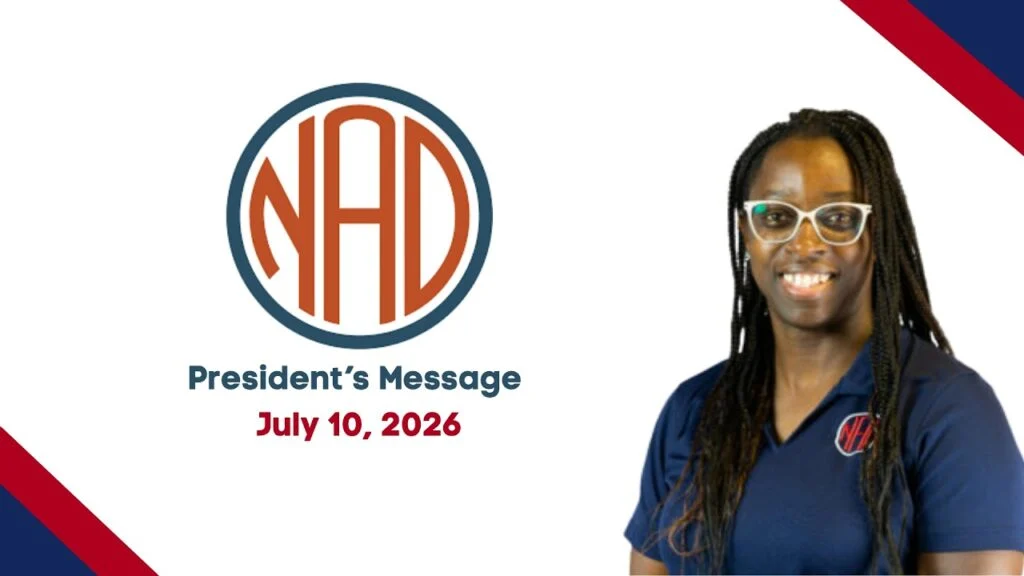
- July 10, 2026: President Stephanie Hakulin issued an official statement acknowledging the community’s concerns and announcing the commencement of a formal review process.
- Post-July 2026 (Forward-looking): The Board has committed to a period of consultation and evaluation, during which the policy will remain in place to protect participants while the language and procedural mechanisms are scrutinized for potential revision.
Data and Policy Impact Analysis
The move to re-evaluate the policy is not merely a linguistic exercise but an analytical one. In institutional management, policies that rely on "zero tolerance" often see a high frequency of reporting but a low rate of restorative resolution. For an organization like the NAD, which relies heavily on community cohesion and advocacy, the implications of such policies are significant.
When an organization employs rigid disciplinary structures, it risks alienating members who might otherwise seek mediation or education. Data from the nonprofit sector suggests that organizations that transition from "zero tolerance" to "restorative accountability" models often report higher levels of member engagement and satisfaction. Restorative justice, which emphasizes repairing harm and addressing the underlying causes of conflict, is increasingly viewed as a more effective tool for foster belonging in advocacy-driven organizations.
The NAD Board’s decision to review the policy will likely involve an analysis of the types of reports filed under the existing framework. By examining the nature of past incidents, the Board can determine whether the current policy effectively addresses the needs of the community or if it merely serves as a punitive instrument that fails to foster the "accountability, safety, respect, and inclusion" cited by President Hakulin.
Official Responses and Internal Governance
The communication from President Hakulin serves as a bridge between the leadership and the membership. By explicitly validating the feedback—noting that "good intentions do not replace the need to understand how the language is interpreted"—the Board is attempting to mitigate the potential for further alienation.
The strategy of keeping the current policy in effect during the review period is a standard legal and risk-management protocol. It ensures that the NAD retains the authority to address harassment or discriminatory behavior while the internal audit takes place. Legal analysts familiar with organizational bylaws note that such a transition period is critical to prevent a "governance gap," where the organization might be left without a clear mechanism to manage conduct during its upcoming major events.
Stakeholders within the organization have expressed cautious optimism. While some community members are advocating for an immediate overhaul, others appreciate the commitment to a "thoughtful and comprehensive review." The inclusion of community perspectives in this process suggests a departure from top-down governance, moving instead toward a more collaborative model of policy development.
Broader Implications for the Deaf Community
The NAD’s ongoing review is part of a larger conversation occurring within the disability advocacy sector regarding the language of power. As the organization looks toward the future, the implications of this policy shift extend beyond the wording of a single document.
- Reframing Institutional Values: The potential shift from "zero tolerance" to a framework based on "restorative accountability" could set a precedent for other disability-led organizations to examine their own governing documents for similar linguistic red flags.
- Community Agency: This process reinforces the role of the NAD membership in holding the leadership accountable. It demonstrates that the organization is willing to pivot based on the evolving social consciousness of its stakeholders.
- Conflict Resolution Models: By reconsidering the policy, the NAD may be preparing to implement new procedures that prioritize communication and education over strictly punitive outcomes, which could serve as a model for community conflict resolution.
As the Board moves forward, the focus remains on the synthesis of feedback. The task ahead is complex: they must satisfy the demand for linguistic change while maintaining a robust, enforceable framework that protects all participants from the very real threats of discrimination and abuse.
Future Outlook and Conclusion
The NAD has committed to keeping the community informed throughout the review process. The Board’s next steps will involve synthesizing the feedback received, evaluating the potential for a name change that better aligns with modern values, and reviewing the procedures that underpin the policy.
While the outcome of this review is not yet predetermined, the process itself represents a significant milestone in the NAD’s internal evolution. The organization is tasked with the delicate balance of maintaining order while fostering a culture that prioritizes dignity and belonging. As the Board of Directors works to refine its approach, the eyes of the broader deaf community will remain fixed on the outcome, measuring the organization’s success not just by its policy statements, but by its ability to translate those statements into lived, equitable practices.
The phrase "Together, we NAD rise," used by President Hakulin at the conclusion of her statement, underscores the organization’s emphasis on unity. Whether the policy remains in its current form, is renamed, or is fundamentally restructured, the ongoing debate serves as a reminder that even the most well-intentioned organizational policies must be subject to constant, critical reflection to ensure they continue to serve the people they were designed to protect.