A landmark study, recently published in the esteemed Disability and Health Journal, sheds light on the feasibility and initial impact of this pioneering program. The findings indicate that emergency department staff successfully integrated the voice amplification devices into their care protocols, and, crucially, surveyed Veterans largely found the devices to be significantly helpful. However, the study also candidly highlights the inherent challenges of sustaining such a program consistently across a high-volume, dynamic healthcare environment, offering valuable insights for future implementation and scaling.
The Pervasive Challenge of Communication in Emergency Settings
Effective communication is the cornerstone of quality healthcare, particularly in the fast-paced, high-stakes environment of an emergency department. Patients arrive often in distress, pain, or confusion, requiring clear and concise exchanges with medical personnel to accurately convey symptoms, medical history, and understand treatment plans. For individuals with hearing loss, this already complex dynamic is amplified. The ambient noise levels in an ED can easily exceed 70 decibels, comparable to a busy street, making it nearly impossible to discern speech, even for those with mild to moderate hearing impairment. This challenge is compounded by factors such as masked faces (hindering lip-reading), rapid speech, and the use of medical jargon.
Veterans, as a demographic, often face a higher prevalence of hearing loss compared to the general population due to factors such as age, combat exposure, and occupational noise. According to the Department of Veterans Affairs, hearing loss is one of the most common service-connected disabilities among Veterans, affecting millions. This makes the VA healthcare system a crucial arena for addressing communication accessibility. The inability to hear or understand effectively can lead to misdiagnosis, medication errors, prolonged wait times due to repeated explanations, increased anxiety for patients, and a diminished sense of autonomy and dignity. In the most severe cases, it can compromise patient safety and lead to adverse health outcomes. The VA Greater Los Angeles Healthcare System’s initiative directly confronts these systemic communication barriers, aiming to foster a more inclusive and effective care environment for its Veteran patients.
From Concept to Implementation: A Phased Approach
The innovative program commenced with a focused six-month pilot phase in early 2024, spearheaded by a dedicated cadre of emergency department clinicians. This initial period served as a critical testing ground, allowing the team to assess the practicalities of device integration, staff training needs, and immediate patient responses in a controlled setting. Following the successful completion of the pilot, the program was expanded to encompass all emergency department staff, running from November 2024 through June 2025. This broader implementation phase was designed to evaluate the program’s scalability and sustainability under real-world, high-volume conditions.
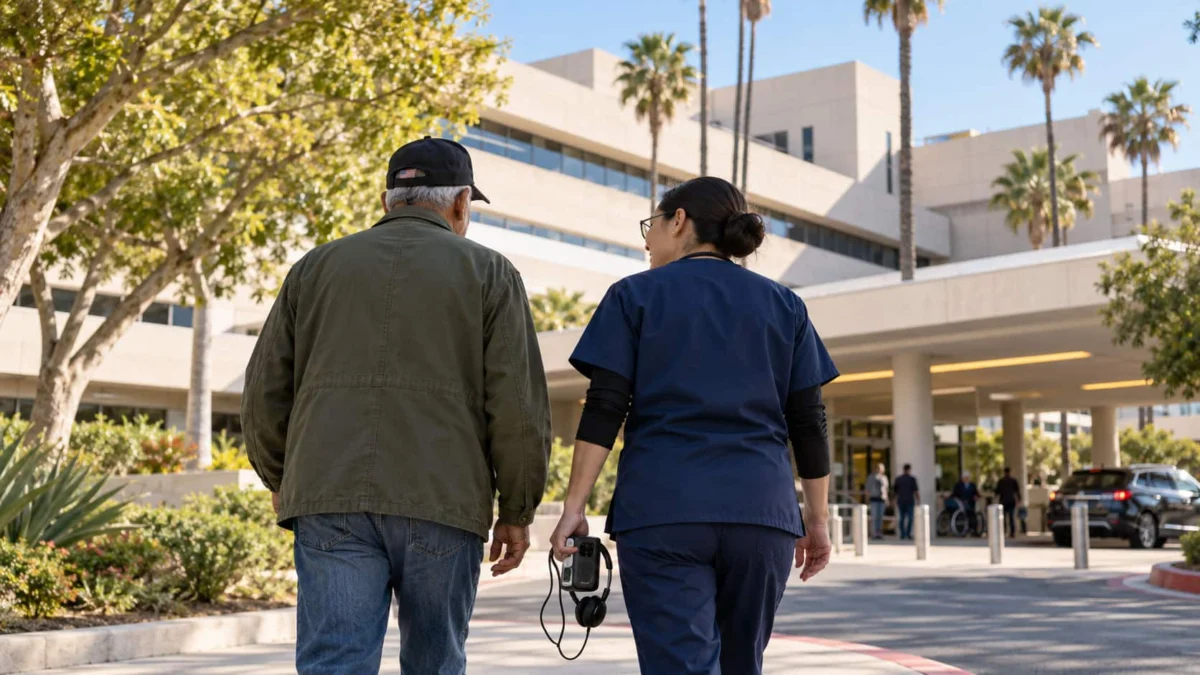
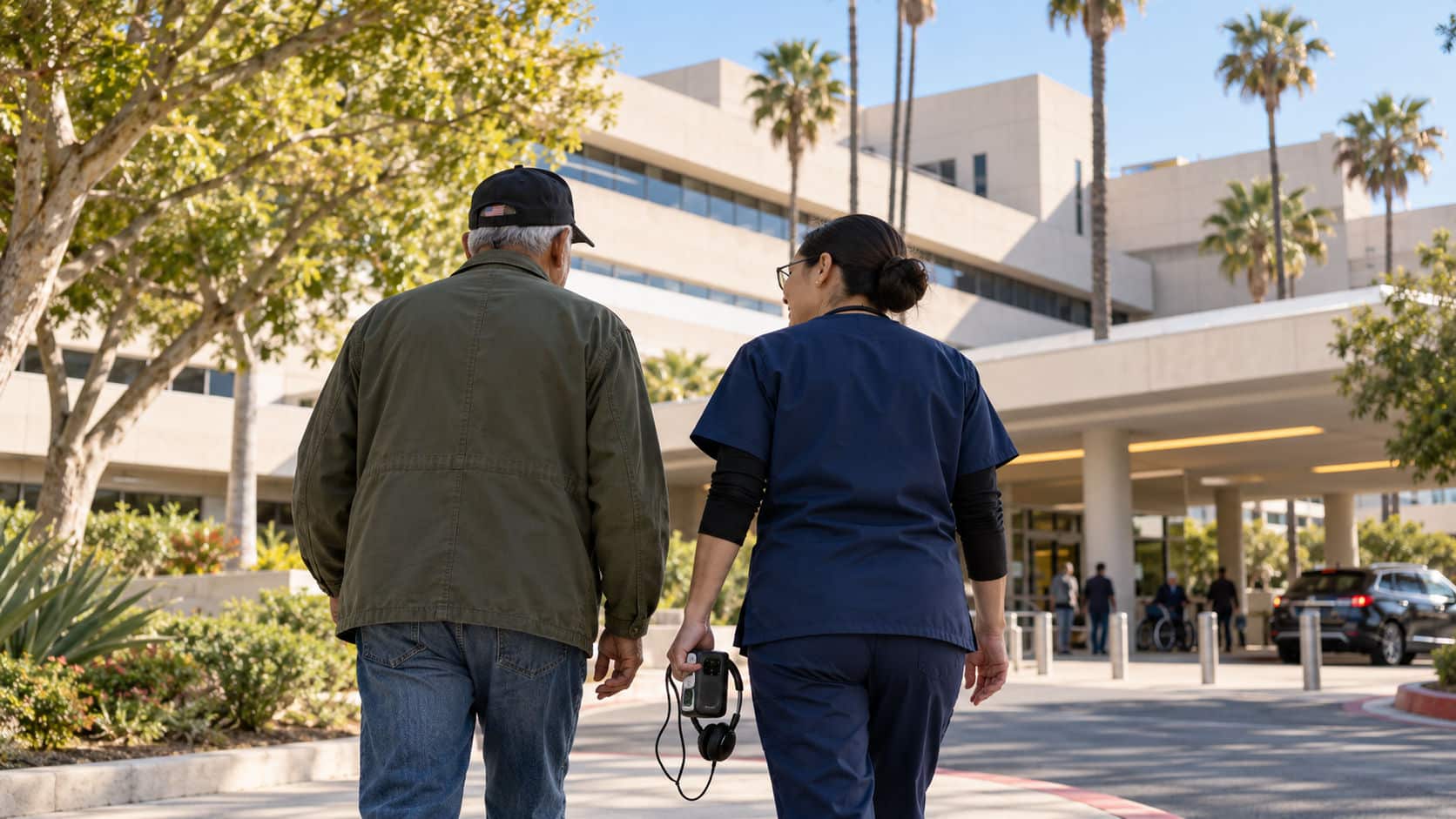
The process for identifying Veterans who could benefit from the device was intentionally practical and immediate, bypassing the need for a formal audiology test which would be impractical in an emergency setting. Instead, Veterans were identified as hard of hearing either through self-report during triage or by direct staff observation. Once identified, the personal voice amplification device could then be offered. The device itself, costing approximately $65, utilized a simple yet effective mechanism: a microphone and amplifier system that transmitted the conversational partner’s voice directly to the Veteran through wired headphones. The explicit aim was to cut through the pervasive emergency department noise, making spoken words significantly easier to access and comprehend. To ensure widespread adoption and awareness, a team of "clinical champions" played a pivotal role, training their colleagues, actively promoting device use during staff meetings and nursing huddles, and strategically placing signs throughout the department to remind both staff and Veterans of the device’s availability. This multi-faceted approach underscored the VA’s commitment to proactive, patient-centered communication.
Uncovering Undiagnosed Needs: A Significant Revelation
During the expanded phase of the program, staff meticulously identified 299 Veterans as hard of hearing across a total of 347 emergency department visits. A particularly striking and significant finding emerged from this data: approximately 78 of these identified Veterans—roughly 26%—had no documented hearing loss-related diagnosis in their VA record spanning the preceding ten years. This revelation, while not constituting a formal new diagnosis, powerfully suggests that an emergency department visit can serve as an unexpected but vital touchpoint for uncovering previously unrecorded or undiagnosed communication needs.
This finding carries profound implications for public health and preventative care. It indicates that a substantial portion of the Veteran population may be navigating their daily lives, and indeed their healthcare journeys, with unaddressed hearing difficulties. The emergency department, traditionally focused on acute medical crises, thus inadvertently becomes a critical front line for identifying chronic, underlying conditions that affect quality of life and healthcare access. For hearing care professionals, this underscores the necessity of interdisciplinary collaboration and highlights settings beyond the traditional audiology clinic where hearing access must be addressed proactively. The study effectively demonstrates that a simple, low-cost intervention can not only facilitate immediate communication but also serve as a gateway to longer-term audiological evaluation and support, potentially improving overall health outcomes and reducing health disparities for Veterans.
Veteran and Staff Perspectives: Overwhelmingly Positive Feedback
The core of the study’s success lies in the tangible impact experienced by both Veterans and the healthcare staff. Staff completed documentation for 79 encounters involving hard-of-hearing Veterans, recording the use of the device in 64 of these instances. In an overwhelming 54 of those 64 encounters, staff rated the device as "very helpful" in facilitating the provision of care. The most frequently cited reason for not using the device was that the Veteran already possessed their own personal hearing aid, indicating that the device was appropriately targeted towards those without existing amplification solutions.
Patient feedback, though derived from a smaller cohort, was equally compelling and unequivocally favorable. Of the 18 Veterans who utilized the device and subsequently completed a survey, a remarkable 16—representing 89%—affirmed that the device significantly improved their care experience in the emergency department. An identical number reported feeling better heard or understood, a critical component of patient satisfaction and trust. Furthermore, 17 out of 18 Veterans expressed their willingness to use the device again in future visits, underscoring its perceived value and utility. This direct endorsement from the end-users validates the program’s fundamental premise. Beyond immediate communication, the program also facilitated 11 audiology referrals through its dedicated documentation process, creating pathways for comprehensive hearing assessments and ongoing care. While these responses reflect the experiences of those who actively used the device and completed surveys, they collectively point to the immediate and undeniable value of having such a readily available communication tool during an acute care visit, fostering a more patient-centric approach in a challenging environment.
Operational Realities and Future Optimizations
While the qualitative and immediate quantitative feedback on the device’s utility was overwhelmingly positive, the study also delved into operational metrics, comparing emergency department performance during the initial pilot phase and the subsequent expanded phase. After meticulously accounting for variables such as patient age and a VA-specific measure of hospitalization risk, the researchers observed that the average time from patient arrival to a decision to admit or discharge was 48 minutes longer during the expanded phase. Concurrently, admission rates were noted to be higher, while the difference in three-day return visits did not achieve statistical significance.
It is crucial to interpret these operational results with caution, as the study lacked an untreated comparison group. Therefore, these observed changes cannot be definitively attributed solely to the hearing device program. A myriad of other departmental conditions, evolving patient demographics, and inherent differences between the two study periods could have influenced these outcomes. Furthermore, a separate, coincidental change to the electronic triage form, which removed a mandatory hearing-status question during the expanded phase, may have inadvertently led staff to miss some Veterans who could have benefited from assistance. This highlights the delicate interplay of system-level changes and their potential impact on specific program outcomes.
The operational experience also candidly exposed several practical barriers that hindered the routine and consistent use of the amplification devices. Devices were typically stored with the charge nurse, necessitating an additional step for staff to retrieve them before each assessment. Issues such as depleted batteries and missing headsets required ongoing attention and maintenance. Moreover, the dynamic nature of emergency department staffing, with rotating personnel and trainees, meant that not all staff members were consistently aware of the devices’ availability or proper protocols for their use. The authors, therefore, offer pragmatic recommendations for sustaining the program moving forward: prioritizing easier access to devices at the point of triage, implementing regular staff reminders, and establishing clearer, streamlined maintenance procedures. These improvements are vital to transform a feasible initiative into a seamlessly integrated and consistently utilized component of routine emergency care.
Broader Implications for Healthcare Equity and Patient Safety
This study from the VA Greater Los Angeles Healthcare System carries profound implications that extend beyond the immediate context of emergency departments and the Veteran population. It underscores the critical importance of addressing sensory disabilities as a fundamental aspect of healthcare equity and patient safety. Effective communication is not merely a courtesy; it is a clinical imperative that directly influences diagnostic accuracy, treatment adherence, and patient satisfaction. By offering a simple, affordable amplification device, the VA has demonstrated a tangible commitment to breaking down communication barriers, thereby empowering patients to actively participate in their own care decisions.
The finding that a significant proportion of identified hard-of-hearing Veterans had no prior documented diagnosis of hearing loss is particularly compelling. It suggests a vast, undiagnosed burden of hearing impairment within the population, and highlights the potential for acute care settings to serve as crucial screening points for chronic conditions. This has broader implications for public health strategies, advocating for routine communication needs assessments across all healthcare touchpoints, not just specialized clinics. Proactive identification can lead to earlier intervention, better long-term health outcomes, and a reduction in the societal and personal costs associated with unaddressed hearing loss.
Moreover, the study serves as a powerful model for other healthcare systems, both within and outside the VA, grappling with similar challenges. The relatively low cost of the device and the high patient and staff satisfaction demonstrate a strong return on investment in terms of improved care quality and patient experience. The identified operational challenges also offer valuable lessons, emphasizing the need for robust logistical planning, continuous staff education, and integration into existing workflows to ensure program longevity and effectiveness.
Future Directions and Recommendations
The Greater Los Angeles VA results unequivocally support the feasibility and early acceptability of offering personal voice amplification devices in an emergency department setting. However, the researchers and healthcare advocates concur that further evaluation is essential. Future studies will need to rigorously determine whether this approach translates into measurable improvements in clinical outcomes, such as reduced diagnostic errors, improved medication adherence, or decreased readmission rates. Additionally, research into the most effective strategies for making these devices consistently available and integrated into care pathways will be critical for widespread adoption.
The recommendations from the study authors—including improved accessibility at triage, consistent staff reminders, and clear maintenance protocols—are vital for transforming this promising pilot into a fully sustainable and embedded component of patient care. Furthermore, exploring technological advancements, such as wireless solutions or integrated communication systems within electronic health records, could further enhance the utility and ease of use of such devices. Ultimately, the VA Greater Los Angeles Healthcare System’s initiative represents a significant stride towards creating a more inclusive and responsive healthcare environment for Veterans. It reaffirms that addressing seemingly simple communication needs can have profound impacts on patient dignity, safety, and the overall quality of care, setting a benchmark for accessible healthcare delivery in the 21st century.
Reference:
Faiz J, Akuzawa H, Fermin P, et al. Improving care equity for hard-of-hearing veterans through implementation of a hearing assistive device in the emergency department: A pre-post observational study. Disability and Health Journal. Published online August 27, 2026. doi:10.1016/j.dhjo.2026.102167.