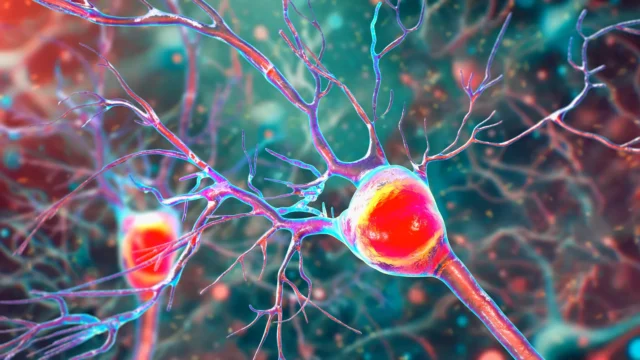

The findings have sent ripples through the geriatric medical community, as glucosamine is one of the most common non-prescription supplements used by older adults. Often derived from shellfish shells or corn, the supplement is marketed globally for its purported ability to support cartilage health and alleviate the symptoms of osteoarthritis. However, the University of Florida (UF) team, led by senior author Ramon Sun, Ph.D., director of the Center for Advanced Spatial Biomolecule Research, warns that what is beneficial for the joints may have unintended and harmful consequences for a brain already vulnerable to neurodegeneration.
The Scope of the Glucosamine Paradox
Mild cognitive impairment (MCI) serves as a critical clinical threshold. It describes a state where individuals experience measurable deficits in memory, language, or judgment that are more severe than typical age-related changes but not yet debilitating enough to interfere with daily independence. For many, MCI is a precursor to Alzheimer’s disease. In the United States alone, approximately 7 million people live with Alzheimer’s, while millions more reside in the "gray zone" of MCI.
"A lot of these people actively take an over-the-counter supplement that could be making their disease progression worse," said Dr. Ramon Sun. The study’s impetus was the sheer ubiquity of the supplement. Because glucosamine is a sugar-related molecule that can cross the blood-brain barrier—the physiological shield that protects the brain from harmful substances in the blood—researchers were compelled to investigate how it interacts with the complex metabolic environment of a brain undergoing neurodegeneration.
Methodology: A Multi-Pronged Investigative Approach
The researchers employed a comprehensive, three-tiered methodology to validate their hypothesis, combining large-scale data analysis with laboratory experiments.
1. Artificial Intelligence and Health Record Analysis
Collaborating with Yi Guo, Ph.D., and Jiang Bian, Ph.D., the team utilized advanced artificial intelligence algorithms to scan deidentified health records from the UF Health system. The data spanned a 12-year period from 2012 to 2024. The AI analyzed the records of thousands of patients, specifically focusing on those diagnosed with MCI or ADRD. Within these cohorts, approximately 8% of patients—comprising 1,896 individuals with ADRD and 2,750 with MCI—reported regular glucosamine use.
2. Mouse Models and Behavioral Testing
To observe the direct effects of the supplement, the team used genetically modified mouse models designed to mimic Alzheimer’s disease. These mice were administered glucosamine, and their cognitive functions were monitored. A specific focus was placed on "social memory," or the ability of the animals to recognize familiar peers.
3. Human Brain Tissue Examination
The final pillar of the study involved the examination of human brain specimens. Working with Stefan Prokop, M.D., the researchers analyzed tissue provided by the UF Neuromedicine Brain and Tissue Bank. By comparing the brains of deceased Alzheimer’s patients with those of healthy controls, the team sought to identify physical evidence of the metabolic disruptions suggested by the data and animal models.
Statistical Findings: Risk and Mortality
The retrospective analysis of patient records yielded stark results. Even after the researchers adjusted for variables such as age, biological sex, and various demographic factors, the association remained robust.
Patients with MCI who used glucosamine were 25% more likely to see their condition progress to dementia compared to those who did not use the supplement. In the group already diagnosed with ADRD, the results were even more somber: glucosamine use was linked to a 25% higher mortality risk. Interestingly, this mortality link was not observed in the MCI group, suggesting that the supplement’s potential toxicity may escalate as the brain’s pathological state worsens.
While the study is observational and does not definitively prove that glucosamine causes the progression—only that the two are linked—the strength of the association has prompted calls for immediate clinical scrutiny. Matt Gentry, Ph.D., chair of UF’s Department of Biochemistry and Molecular Biology and a study co-author, noted, "The electronic health record data are very provocative. While it’s an association and not proof of causality, it does raise an important clinical question that now deserves much more attention."
The Biological Mechanism: Sugar-Tagging and Metabolism
The most significant contribution of the UF study is the identification of a potential biological mechanism that explains why a joint supplement would affect the brain. The researchers focused on a metabolic pathway involving the attachment of sugar structures to proteins, a process known as O-GlcNAcylation.
In a healthy body, this "sugar-tagging" is a vital regulatory process. Proteins are the "molecular machines" of the cell, and they require these sugar tags to fold into the correct shapes and reach their intended destinations within the cell. However, the UF team discovered that in the context of Alzheimer’s disease, this system becomes pathologically overactive.
Using a spatial technology developed in Dr. Sun’s lab, the researchers were able to map thousands of molecules in the brain with unprecedented detail. They found that the Alzheimer’s brain is uniquely vulnerable to glucosamine because it is already struggling with metabolic instability. When glucosamine enters the brain, it fuels this overactive sugar-tagging process.
In the mouse models, the glucosamine-treated mice showed a massive increase in sugar residues attached to proteins. This correlated directly with a decline in social memory. Crucially, when the researchers used a chemical to suppress this sugar-attachment process, the mice’s memory performance improved. This suggests that the excessive sugar tagging is not just a byproduct of the disease, but a driver of the cognitive symptoms.
Shifting the Paradigm of Alzheimer’s Research
For decades, the "amyloid hypothesis" has dominated Alzheimer’s research. This theory posits that the primary cause of the disease is the accumulation of amyloid-beta plaques and tau tangles—protein "clumps" that disrupt communication between neurons. While these features remain hallmarks of the disease, many experimental treatments targeting plaques have failed to produce significant clinical improvements.
The UF study adds to a growing body of evidence suggesting that metabolic dysfunction may be just as critical as protein accumulation. "Our results suggest that altered metabolism is a significant contributor to Alzheimer’s progression," Dr. Sun explained. "Addressing the metabolic defect could be an important complement to approaches focused on Alzheimer’s plaques and tangles."
This shift in focus toward "neuro-metabolism" opens new doors for treatment. If the overactive sugar-tagging pathway can be regulated via medication, it may be possible to slow the progression of dementia even in the presence of plaques and tangles.
Clinical Implications and Patient Guidance
The findings present a dilemma for both patients and healthcare providers. Glucosamine is highly effective for many in managing the debilitating pain of arthritis, which is itself a major contributor to reduced quality of life and physical inactivity in the elderly.
Medical experts advise that patients should not immediately discard their supplements based on this single study, but they should engage in informed discussions with their physicians. The risk-benefit ratio may shift for individuals who are starting to notice memory lapses or those who have a strong family history of dementia.
"The results raise a potentially important question about glucosamine use among people with cognitive impairment," the researchers noted, emphasizing that a controlled human clinical trial is the necessary next step. Such a trial would provide the definitive evidence required to change clinical guidelines and potentially issue warnings on supplement packaging.
Chronology of Discovery and Future Outlook
The UF study represents a multi-year effort that began with the development of spatial biomolecule mapping technology in Dr. Sun’s laboratory. By 2020, preliminary data from mouse models began to suggest a link between hexosamine metabolism and cognitive decline. This led to the expansion of the project to include the massive AI-driven analysis of UF Health records, which provided the real-world context for the laboratory findings.
The publication of the findings in Nature Metabolism in late 2024 marks the beginning of a new phase of research. The UF team is currently seeking funding for a prospective human clinical trial. Unlike the retrospective study, which looked back at existing records, a prospective trial would follow patients in real-time to observe how glucosamine affects their brain health under controlled conditions.
As the global population ages, the prevalence of both osteoarthritis and dementia is expected to rise sharply. The intersection of these two conditions—and the treatments used for them—represents a critical frontier in public health. For now, the University of Florida’s research serves as a cautionary tale about the complexities of human metabolism and a reminder that even "natural" supplements can have profound effects on the most delicate organ in the body.