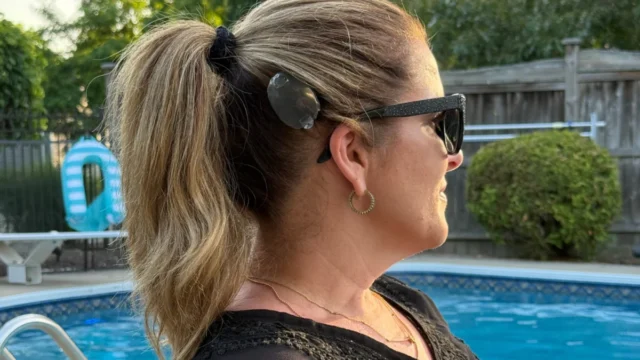

The Expectations Questionnaire: A Tool for Informed Anticipation
The core of this initiative lies in a meticulously designed 16-item questionnaire, intended to prompt both the individual considering cochlear implantation and their family to articulate their hopes and expectations. The questionnaire encourages a deep dive into what the cochlear implant is anticipated to mean for daily life, from mundane interactions to significant milestones. Crucially, it also prompts consideration of the various factors that can influence the success and overall outcomes of the implantation process. By engaging with these questions, individuals are encouraged to cultivate a more nuanced and realistic perspective on what progress in hearing rehabilitation might entail. Furthermore, the process aims to illuminate actionable steps that can be taken to maximize the potential for achieving optimal hearing.
The questionnaire itself delves into specific areas of expectation, addressing common questions and potential misconceptions. Items such as "I will need to wear the external device all waking hours," "I will take some time adjusting to listening with my cochlear implant," and "I will need to participate in listening training" directly confront the realities of device usage and the rehabilitation process. These questions acknowledge that cochlear implantation is not a passive solution but rather an active engagement with technology and therapy.
Other questions probe deeper into the anticipated auditory experience. "I will hear quiet sounds," "I will be able to locate where sounds come from," and "I will hear like others who have typical hearing" highlight the spectrum of auditory perception that can be achieved. The questionnaire is designed to foster an understanding that while cochlear implants can restore a significant level of hearing, the experience may not perfectly replicate that of individuals with typical hearing. This nuanced approach is vital in managing expectations and preventing potential disappointment.
The social and communication aspects are also addressed. Questions like "I will understand what people say without having to lipread," "I will be able to understand what people say without needing repetition," and "I will understand people when there is background noise" are central to the functional goals of cochlear implantation. The ability to engage in conversations, particularly in challenging listening environments, is a primary motivator for many individuals. The questionnaire encourages reflection on the expected level of proficiency in these areas.
Furthermore, the questionnaire touches upon the potential impact on speech and language development, particularly for children or individuals experiencing significant communication challenges. "I will be able to improve my speech skills if they are currently a concern" and "I will be able to improve my language skills if currently are a concern" acknowledge the rehabilitative potential of the implant in fostering communication abilities.
Finally, the questionnaire considers broader quality-of-life aspects, including the enjoyment of music and the ability to use the telephone. "I will enjoy music" and "I will be able to use the telephone" are often significant desired outcomes that can be influenced by the effectiveness of the cochlear implant. The inclusion of "I will continue to wear a hearing device in the other ear, if available" addresses the common practice of bilateral implantation or the use of a hearing aid in the non-implanted ear, recognizing the benefits of binaural hearing.
Background and Context: The Evolving Landscape of Hearing Restoration
Cochlear implantation represents a significant advancement in audiological rehabilitation, offering a viable solution for individuals with severe to profound sensorineural hearing loss who derive limited benefit from conventional hearing aids. The technology, which bypasses damaged parts of the inner ear to directly stimulate the auditory nerve, has undergone decades of refinement since its inception. The first commercially available cochlear implant system was approved by the U.S. Food and Drug Administration (FDA) in 1984, marking a pivotal moment in the treatment of deafness. Since then, technological innovations, including multi-channel implants, advanced signal processing strategies, and the development of sophisticated external processors, have dramatically improved the effectiveness and adaptability of these devices.
The decision to pursue cochlear implantation is typically made after a comprehensive audiological evaluation, often involving audiologists, otolaryngologists (ear surgeons), and speech-language pathologists. This multidisciplinary approach ensures that the individual is a suitable candidate and that their expectations are aligned with the realistic capabilities of the technology. The process often involves a period of rehabilitation, including auditory training and speech therapy, which is crucial for maximizing the benefits of the implant.
The Importance of Realistic Expectations: Data and Analysis
The development of the expectations questionnaire is rooted in a growing body of research that highlights the critical role of realistic expectations in the success of cochlear implantation. Studies have consistently shown a correlation between pre-operative expectations and post-operative satisfaction and outcomes. For instance, a study published in the Journal of the American Academy of Audiology found that individuals with higher, yet realistic, expectations were more likely to report greater satisfaction with their cochlear implant and experience more significant improvements in their quality of life. Conversely, individuals with overly optimistic or unrealistic expectations sometimes face disappointment, which can hinder their engagement with the rehabilitation process.
Data from the National Institute on Deafness and Other Communication Disorders (NIDCD) indicates that while cochlear implants can provide a profound improvement in hearing ability for many, the degree of benefit varies significantly among individuals. Factors such as the duration of deafness prior to implantation, the underlying cause of hearing loss, the age at implantation, and the individual’s commitment to post-operative rehabilitation all play a crucial role. This variability underscores the need for a personalized approach to managing expectations.
The questionnaire’s focus on specific aspects of hearing, such as understanding speech in noise or localizing sound, is particularly important. Research, including meta-analyses of studies on cochlear implant performance, consistently demonstrates that while implants can restore the ability to hear speech, understanding speech in noisy environments remains a significant challenge for many users. Similarly, sound localization abilities can improve but may not always reach the level of individuals with typical hearing. By addressing these nuances upfront, the questionnaire helps to set a more accurate benchmark for success.
The inclusion of questions related to listening training and support from others is also data-driven. Auditory training is an indispensable component of cochlear implant rehabilitation. Studies, such as those published in Ear and Hearing, have demonstrated that structured auditory training programs can significantly enhance speech perception, auditory memory, and overall functional hearing. Similarly, the role of family and caregiver support in a child’s or adult’s rehabilitation journey cannot be overstated. Encouragement, patience, and active participation from loved ones can profoundly impact motivation and progress.
Chronology of the Expectations Questionnaire Initiative
While the specific timeline of the development and dissemination of this particular expectations questionnaire is not provided in the source material, the concept itself has evolved over time within the field of audiology. Early in the history of cochlear implantation, there was a greater tendency to emphasize the potential for complete restoration of hearing. As the technology matured and more data became available, there was a recognized need for more sophisticated tools to manage patient expectations.
The emergence of patient-centered care models in healthcare has further driven the development of such tools. The emphasis has shifted from simply providing a technological solution to empowering patients and their families to be active participants in their care. This questionnaire represents a contemporary approach to this evolving understanding, likely developed in recent years by audiological professionals or organizations aiming to enhance the pre-operative counseling and post-operative support for cochlear implant candidates. The integration of such questionnaires into clinical practice often follows a pattern of research validation, pilot testing, and subsequent adoption by leading cochlear implant centers.
Official Responses and Clinical Implications
The development and promotion of this expectations questionnaire can be seen as a proactive measure by audiological providers and manufacturers, such as MED-EL (as indicated by the copyright), to ensure a more positive and successful rehabilitation experience for their patients. By providing a structured framework for self-assessment and reflection, these organizations are aiming to:
- Enhance Patient Satisfaction: By aligning patient expectations with realistic outcomes, the likelihood of post-operative satisfaction increases. This reduces the incidence of patients feeling that the implant has not met their perceived needs.
- Improve Rehabilitation Engagement: A clearer understanding of the process and potential challenges can motivate individuals to actively participate in auditory training and therapy, leading to better functional gains.
- Facilitate Informed Decision-Making: The questionnaire serves as a valuable tool in the informed consent process, ensuring that individuals and their families make decisions about cochlear implantation with a comprehensive understanding of what it entails.
- Guide Clinical Practice: The insights gained from individuals completing the questionnaire can inform audiologists and surgeons about specific areas where patients may need additional support or counseling. This can lead to more tailored rehabilitation plans.
The "Send us a message" feature and the accompanying disclaimer ("The content on this website is for general informational purposes only and should not be taken as medical advice. Contact your doctor or hearing specialist…") underscore the commitment of the organization to providing accessible information while emphasizing the necessity of professional medical consultation. This approach is standard practice for medical device manufacturers and healthcare providers, ensuring that information is disseminated responsibly.
Broader Impact and Future Directions
The implications of this expectations questionnaire extend beyond individual patient care. It reflects a broader trend in healthcare towards patient empowerment and personalized medicine. As technology continues to advance, the role of the patient in managing their own health and well-being becomes increasingly significant. Tools like this questionnaire empower individuals to become more informed consumers of healthcare services and active participants in their treatment journeys.
The success of cochlear implantation is not solely dependent on the device itself but on a complex interplay of technological capability, surgical expertise, and diligent rehabilitation. By addressing the psychological and anticipatory aspects of the journey, this initiative contributes to a more holistic and effective approach to hearing restoration.
Future directions in this area might include the integration of such questionnaires into digital health platforms, allowing for easier access and data collection. Furthermore, the analysis of responses across a large patient population could provide valuable insights into common areas of misunderstanding or concern, leading to further refinements in educational materials and clinical protocols. The continuous evolution of cochlear implant technology, coupled with a deeper understanding of patient psychology and rehabilitation science, promises even more effective and personalized solutions for individuals seeking to overcome hearing loss. The expectations questionnaire stands as a testament to this ongoing commitment to improving the lives of those with hearing impairments.