The Evolution of Core Vocabulary Instruction
The pedagogical framework of core vocabulary instruction is rooted in the understanding that language is most effective when it is flexible and generative. Unlike "fringe" vocabulary, which consists of nouns specific to a particular topic or environment, core words (such as "go," "more," "stop," "that," and "different") are applicable across almost every setting.
The initiative began as a grassroots effort within the speech-language pathology community to provide consistent, monthly thematic instruction. The original project, launched years ago, established the foundational model: selecting a limited set of core words each month to provide students with the opportunity to practice those terms in various contexts. This approach was later expanded to include the "School Year of Core Vocabulary" series in 2020, which integrated curriculum-based objectives, and eventually, the 2023-2024 series specifically tailored for older students.
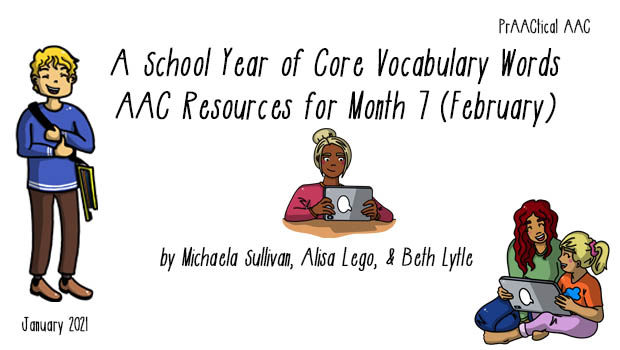
The chronology of these resources reflects a shift in AAC philosophy: moving from isolated therapy sessions to collaborative, school-wide integration. The contributions of experts such as Rachael Langley, Michaela Sullivan, Alisa Lego, and Beth Lytle transformed these documents from simple lists into comprehensive lesson plans, calendars, and visual supports that can be deployed in diverse educational environments.
Data-Driven Approaches to AAC Implementation
The importance of core vocabulary is supported by extensive linguistic data. Research consistently indicates that core words are the building blocks of literacy and social interaction. When AAC users are provided with a robust core vocabulary, they demonstrate higher levels of linguistic complexity and are better equipped to navigate social interactions outside of the classroom.
The "Year of Core Vocabulary" initiative utilizes a tiered approach to address different developmental milestones:
- Preschool and Early Intervention: These resources focus on play-based interaction, using core words to initiate, maintain, and terminate activities.
- Elementary Education: The focus shifts to academic participation, where core words are linked to literacy goals and classroom participation.
- Secondary/Older Students: The content transitions to self-advocacy, vocational readiness, and peer-to-peer communication.
By providing these resources annually, the program ensures that practitioners are not forced to "reinvent the wheel" each year. Instead, they can focus on implementation fidelity, ensuring that the AAC system is present, operational, and actively modeled by communication partners throughout the day.
Chronology of Resource Development
The development of these resources has been a multi-year collaborative effort, reflecting the growth of the AAC field:
- Initial Launch (Pre-2020): Introduction of the "Year of Core Vocabulary" lists, establishing the standard for monthly focus words.
- Expansion (2020): Publication of "The School Year of Core Vocabulary," designed to bridge the gap between clinical goals and the classroom curriculum.
- Advanced Development (2023–2024): Introduction of targeted resources for older students, addressing the lack of age-appropriate, respectful materials for adolescents and young adults with CCN.
- January 2026 Reprise: A systematic consolidation of these resources, ensuring that educators and therapists have streamlined access to the full library of materials as the new year begins.
Perspectives on Clinical and Educational Impact
Industry experts and practitioners have long emphasized that the effectiveness of an AAC system is only as good as the environment in which it is used. "The tool is not the intervention," one anonymous pediatric SLP noted in recent professional forums. "The intervention is the modeling, the repetition, and the engagement that happens when we normalize the use of these core words in the classroom."
The inclusion of guest contributors from across the country suggests a shift toward a more unified, standardized approach to AAC instruction. By leveraging the expertise of individuals like Michaela Sullivan and Lindsay Dougherty, the initiative provides a degree of clinical validation that ensures the materials are not only accessible but also pedagogically sound. These resources provide therapists with the scaffolding necessary to move from rote instruction to spontaneous, independent communication.
Broader Implications for Special Education
The ongoing availability of these resources carries significant implications for the landscape of special education. First, it addresses the pervasive issue of "resource fatigue" among educators. By providing ready-to-use lesson plans, the initiative reduces the planning burden on teachers who are already managing high caseloads.
Second, it fosters continuity of care. When an entire school or a team of service providers uses a shared vocabulary framework, the AAC user receives consistent exposure to the same words across different settings, such as the classroom, the cafeteria, and the community. This consistency is widely regarded as a prerequisite for language generalization.
Third, it promotes equity. Students who are provided with these structured opportunities for language development are significantly less likely to experience "communication exclusion." In an era where digital literacy and communicative competence are essential for post-secondary success, providing these foundational tools is a critical step toward inclusion.
Analysis of Future Directions
As the field of augmentative and alternative communication continues to evolve, the focus is shifting toward the integration of high-tech and low-tech supports. While the "Year of Core Vocabulary" provides the linguistic strategy, the technology behind these systems—including speech-generating devices and eye-gaze technology—is becoming more sophisticated. However, the pedagogical core remains constant: language must be modeled, reinforced, and valued in every environment.
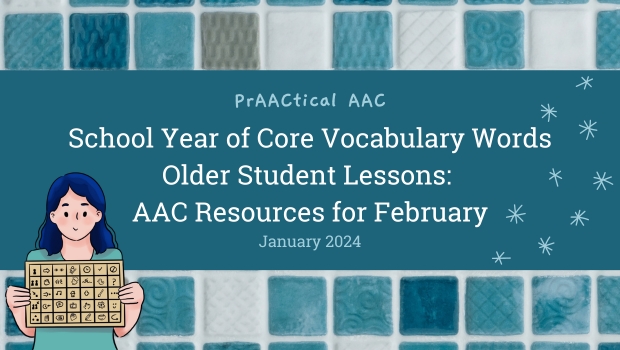
The current iteration of the February resources highlights the diversity of learning needs. By offering distinct tracks for younger and older students, the program acknowledges that while the core vocabulary might remain the same, the method of teaching must be age-appropriate. Providing a teenager with a lesson plan designed for a five-year-old is a common failure in special education; by avoiding this pitfall, the initiative maintains the dignity of the learner while supporting their linguistic growth.
Conclusion and Ongoing Access
The "Year of Core Vocabulary" is more than just a list of words; it is a repository of years of collaborative effort, clinical trial and error, and advocacy. For educators and families entering the second month of the 2026 calendar year, these resources offer a structured, evidence-based path forward.
By utilizing these materials, stakeholders can ensure that they are meeting the core needs of their students and clients, facilitating not only functional communication but also the development of a complex and meaningful vocabulary. The resources, which include activity calendars and lesson plans, remain accessible via the project’s digital archives, providing a scalable solution for classrooms of any size. As the project continues to evolve, the emphasis will undoubtedly remain on the essential nature of core words as the bedrock of human connection, ensuring that every individual, regardless of their communicative capacity, has the tools to make their voice heard.