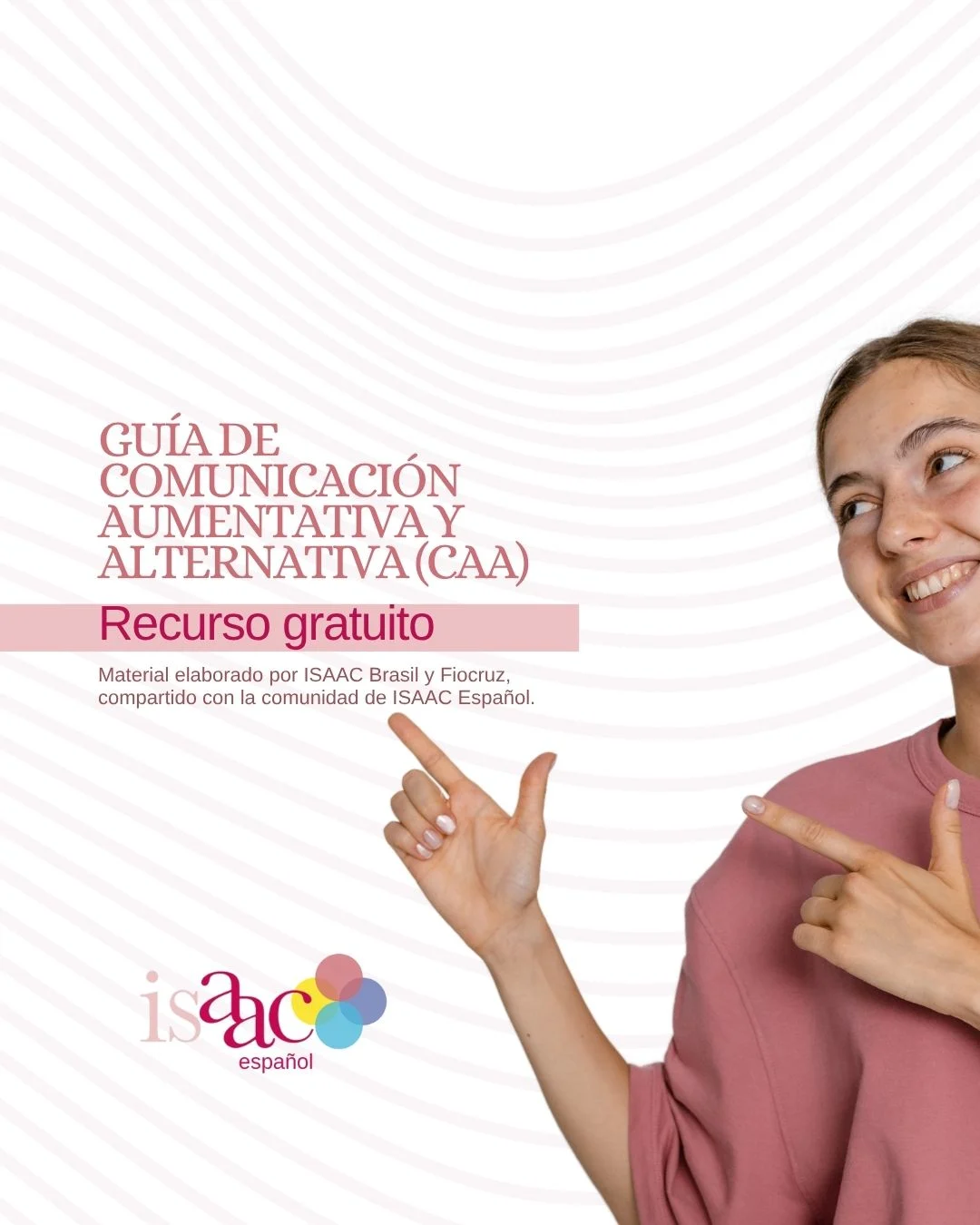
The Collaborative Genesis of the Guide
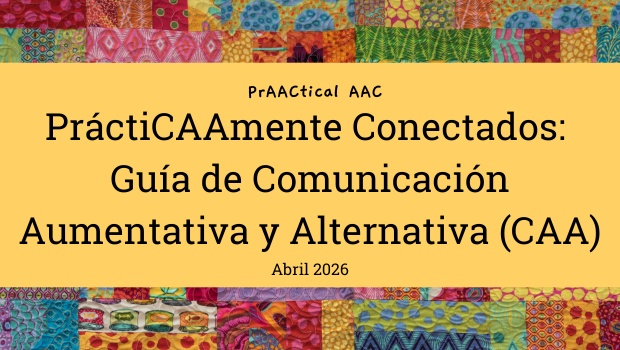
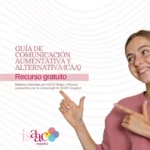
The translation and adaptation process was not merely a linguistic conversion; it involved a pedagogical restructuring to ensure that cultural nuances, legal frameworks, and clinical terminologies remained accurate for a diverse audience spanning Spain and Latin America. By leveraging the technical expertise of Fiocruz—which brings extensive experience in public health and disability rights—and the global reach of ISAAC, the project has successfully democratized access to specialized knowledge that was previously siloed or prohibitively expensive.
Chronology and Development Timeline
The project followed a rigorous development cycle aimed at ensuring scientific accuracy and user-centered design:
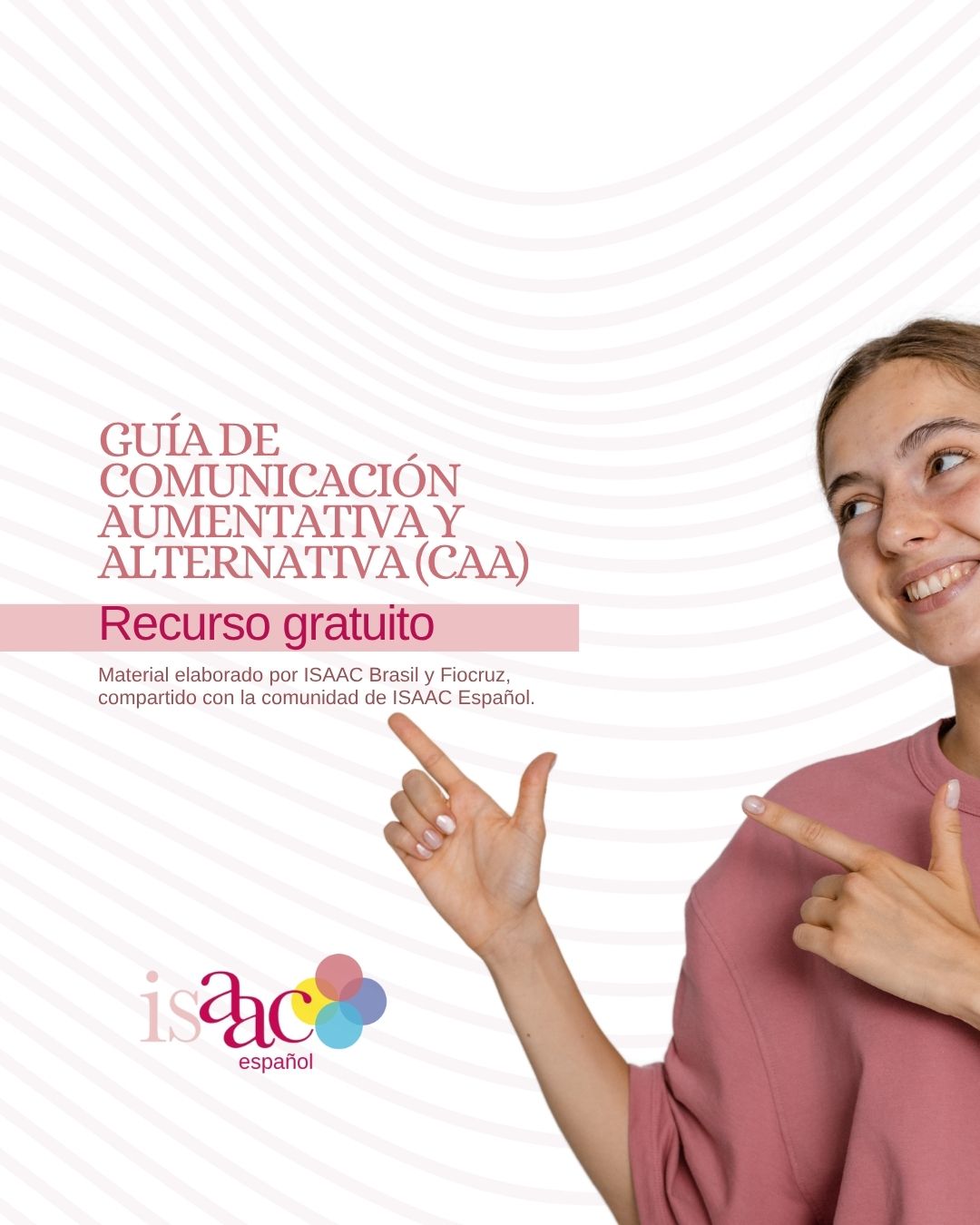
- Phase I: Needs Assessment (2024): ISAAC Brazil and Fiocruz identified a high prevalence of "information poverty" regarding AAC implementation strategies in public health systems.
- Phase II: Prototype Development (Early 2025): The initial Portuguese-language version was piloted across several clinical settings in Brazil, gathering data from speech-language pathologists and families to refine the content.
- Phase III: Adaptation and Translation (Late 2025): The team initiated the translation process, focusing on linguistic adaptation for Spanish-speaking regions. This phase included a peer-review cycle by ISAAC Spanish-language representatives to ensure cross-border applicability.
- Phase IV: Public Launch (April 2026): The guide was officially unveiled, accompanied by a digital dissemination campaign aimed at integrating the resource into both educational and clinical spheres.
Supporting Data and Demographic Context
According to World Health Organization (WHO) estimates, more than 1 billion people live with some form of disability, with a significant percentage experiencing speech and language impairments that necessitate the use of AAC systems. Despite this, the global adoption of AAC remains uneven. Research indicates that the primary barriers to successful implementation are not necessarily a lack of technology, but rather a lack of training among caregivers and a lack of accessible, plain-language resources that explain the fundamental rights of AAC users.
The new guide addresses these barriers by providing clear, actionable information. Data from internal project reports by the development team suggest that early access to such materials increases the rate of AAC system adoption by approximately 35% in households that previously reported "low confidence" in using assistive devices.
Core Components of the Resource
The guide is structured to serve as an entry point for those new to the field, as well as a reference tool for seasoned practitioners. Key sections include:
- Fundamental Rights: A breakdown of the legal protections afforded to individuals with communication disabilities, aligning with the United Nations Convention on the Rights of Persons with Disabilities (CRPD).
- Implementation Strategies: Evidence-based methodologies for incorporating AAC into daily routines, emphasizing "aided language stimulation"—the practice of modeling the use of AAC symbols for the user.
- Myth-Busting: A section dedicated to addressing common misconceptions, such as the erroneous belief that AAC hinders the development of natural speech.
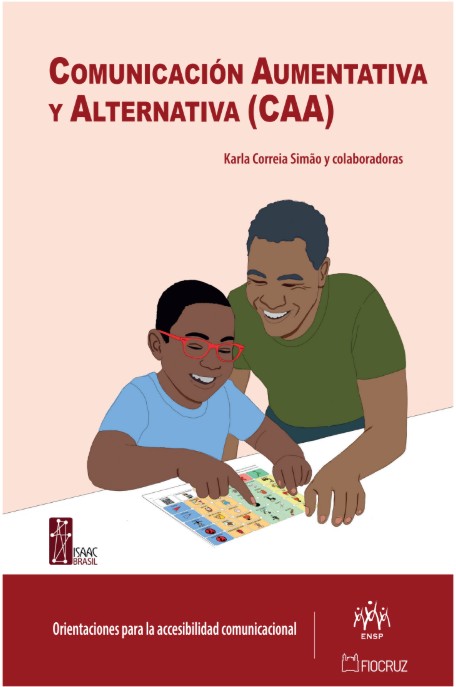
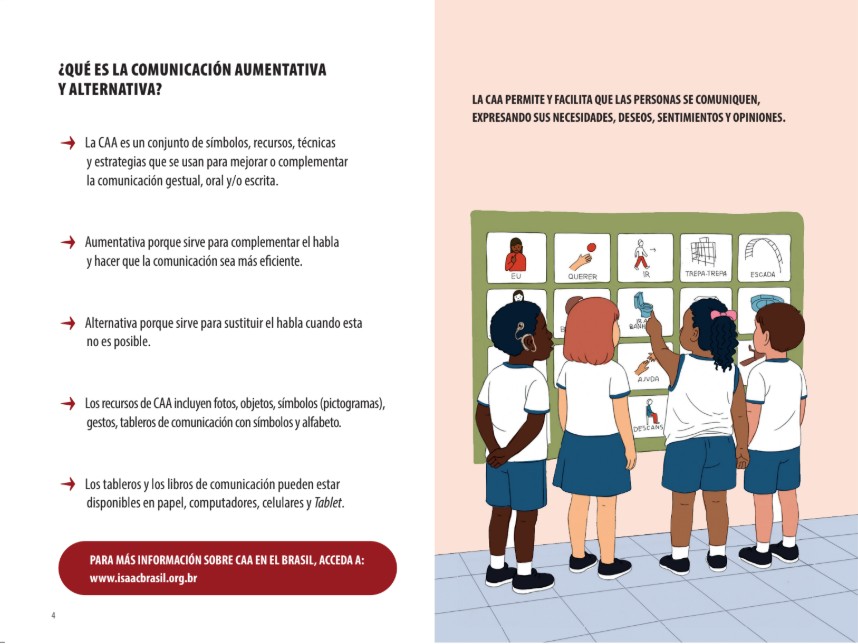
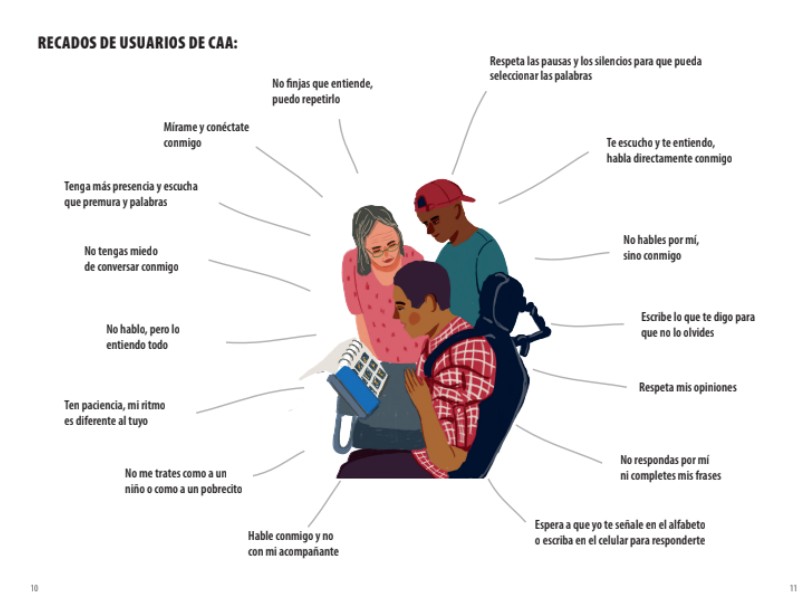
- Visual Literacy: A unique aspect of this publication is the inclusion of illustrations featuring real-life AAC users. This decision was intentional, aiming to provide authentic representation and reduce the stigma often associated with assistive communication technology.
Official Perspectives and Institutional Impact
Representatives from ISAAC have noted that the distribution of this guide is a strategic move to standardize best practices. In an official statement accompanying the release, project coordinators emphasized that the collaboration with Fiocruz provided the necessary scientific validation to ensure that the content meets clinical standards.

"The goal was never just to produce a document, but to create a catalyst for change," stated a spokesperson for the initiative. "By providing this for free, we are removing the economic barrier that often prevents low-income families from accessing the specialized training they need to support their loved ones."
Professionals in the field of speech-language pathology have reacted positively to the release. Dr. Elena Moreno, a clinician specializing in neurodevelopmental disorders, remarked that the guide’s strength lies in its accessibility. "In many Spanish-speaking regions, clinicians struggle to find materials that explain AAC in a way that parents can immediately understand and apply. This guide fills that void perfectly."
Analysis: Implications for Global AAC Advocacy
The release of this guide represents a shift in the landscape of global health equity. By providing high-quality educational materials at no cost, the project sets a precedent for how international organizations should handle the dissemination of assistive technology knowledge.
The implications are twofold:
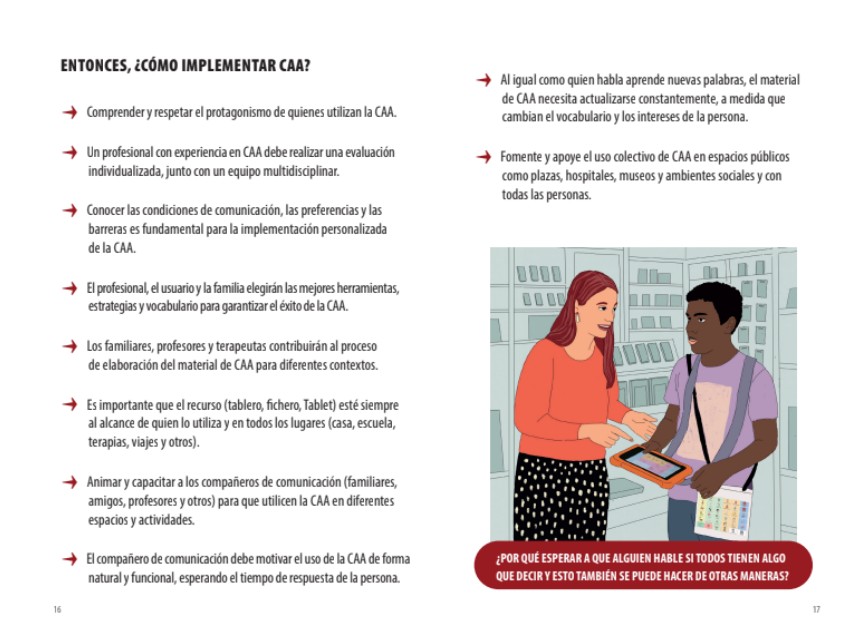
- Capacity Building: By empowering families, the guide reduces the burden on overstretched clinical services. When families are equipped with the knowledge to implement basic AAC strategies at home, the overall efficacy of therapy increases.
- Standardization of Care: As the guide gains traction across Spanish-speaking nations, it fosters a common language and set of expectations among providers. This could lead to more uniform clinical standards, eventually influencing regional health policies and funding for AAC devices.
However, the authors acknowledge that the distribution of the guide is only the first step. Long-term success will depend on sustained advocacy and the ability to update the resource as technology evolves. The move to use social media platforms like Instagram and Facebook for distribution demonstrates an awareness of modern communication habits, ensuring that the target audience—which is increasingly digital-first—can access the material through the devices they already use.
Looking Ahead
The digital nature of the guide allows for rapid updates and scalability. As the community of users grows, feedback will be integrated to refine the content, potentially expanding into video tutorials or interactive modules. For now, the focus remains on ensuring that the download link reaches the individuals who need it most—from remote rural communities in Latin America to urban centers in Spain.
As of April 2026, the resource is available for public download via the official channels of ISAAC Spanish-speaking affiliates. With the release of this guide, the conversation around accessibility has reached a new, more inclusive level, reinforcing the notion that communication is a fundamental human right, not a luxury. By providing the tools for connection, the creators of this guide have moved the needle toward a more equitable future for non-speaking individuals worldwide. The continued success of this initiative will likely serve as a blueprint for future collaborations between scientific institutions and global advocacy networks, proving that when high-level expertise meets community-focused dissemination, the results can be transformative.