
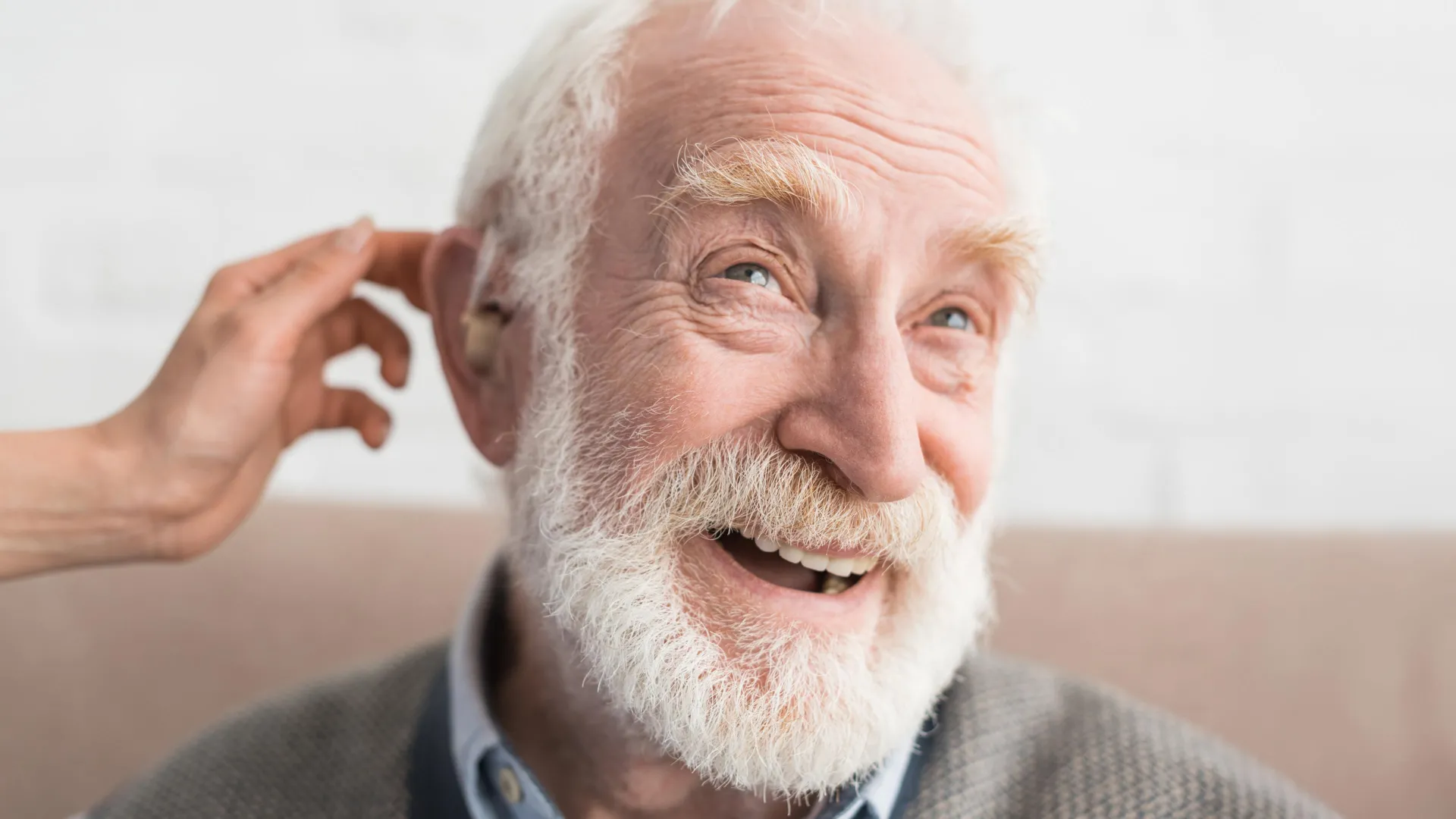
Lead researcher Janet Choi, MD, MPH, an otolaryngologist with Keck Medicine, emphasized that hearing loss is not merely a sensory deficit but a profound barrier to social integration. According to Dr. Choi, adults who utilize hearing aids or cochlear implants—surgically implanted devices designed for those with profound hearing loss—demonstrated markedly higher levels of social engagement than those who left their condition untreated. This research provides a clinical foundation for the argument that hearing devices are essential components of preventative healthcare, potentially mitigating the long-term psychological and physiological damage caused by social disconnection.
The Scope of the Hearing Epidemic and Social Withdrawal
Hearing loss is currently one of the most prevalent yet undertreated chronic conditions in the United States, affecting an estimated 40 million adults. Despite the availability of sophisticated technology, a significant portion of this population remains untreated due to various factors, including cost, lack of insurance coverage, and the persistent social stigma associated with wearing hearing devices. When hearing loss is left unaddressed, the simple act of communication becomes an exhausting labor. Individuals often find themselves struggling to follow conversations in group settings or noisy environments, leading to a phenomenon known as "listening fatigue."
Over time, this fatigue leads to a voluntary or involuntary withdrawal from social activities. Dr. Choi noted that this withdrawal is a gradual process that begins with avoiding crowded restaurants or family gatherings and can eventually lead to total social isolation. The study clarifies that this isolation is not just a lifestyle change but a precursor to severe health risks. Previous clinical data has already established that chronic social withdrawal reduces mental stimulation, which in turn increases the risk of anxiety, clinical depression, and accelerated cognitive decline.
Methodology: A Comprehensive Meta-Analysis
To reach these conclusions, the USC research team conducted an exhaustive systematic review and meta-analysis of 65 previously published studies. This large-scale analysis encompassed data from over 5,000 participants, providing a robust statistical foundation for the findings. The researchers focused on three primary metrics to gauge the impact of hearing devices: social quality of life, perceived social handicap, and loneliness.
"Social quality of life" refers to the individual’s ability to participate in and enjoy interpersonal interactions. "Perceived social handicap" measures the specific frustrations and limitations an individual feels in social settings—such as the embarrassment of asking someone to repeat themselves or the feeling of being "left out" of a joke. The meta-analysis revealed that participants using hearing devices felt significantly less socially handicapped. They reported a newfound confidence in navigating complex auditory environments, such as workplace meetings or social mixers, which directly translated to a stronger sense of belonging.
Technical Nuances: Hearing Aids vs. Cochlear Implants
One of the most striking findings of the study was the varying degree of improvement between different types of technology. While both hearing aids and cochlear implants provided benefits, those with cochlear implants reported the most substantial improvements in their social quality of life. This distinction is vital for clinical practice, as it highlights the necessity of matching the technology to the severity of the hearing loss.
Hearing aids function primarily by amplifying sound and are typically used for mild to moderate hearing loss. In contrast, cochlear implants are complex electronic devices that bypass damaged portions of the ear and directly stimulate the auditory nerve. These are generally reserved for individuals with severe to profound hearing loss for whom traditional hearing aids provide little benefit. The study suggests that because cochlear implants offer a more radical restoration of sound clarity for those in deep silence, the subsequent "re-entry" into social life is more dramatic and life-altering. The restoration of the ability to hear nuances in speech and tone allows these individuals to re-engage with the world in a way that was previously impossible.
The Biological Toll of Isolation
The implications of the USC study extend into the realm of neurology and biology. Chronic social isolation has been linked in separate research to tangible changes in brain structure and function. Studies have shown that isolated individuals often exhibit increased levels of brain inflammation and atrophy in regions responsible for memory and executive function. By establishing that hearing devices can reverse social isolation, the Keck Medicine team has identified a potential intervention to stall these biological markers of aging.
Dr. Choi noted that while their specific study did not measure cognitive outcomes, the correlation is difficult to ignore. The "cognitive reserve" theory suggests that active social engagement and complex auditory processing keep the brain "exercised." When a person stops hearing, the auditory cortex can undergo reorganization, and the lack of social "input" can lead to the thinning of the brain’s grey matter. Therefore, by maintaining social connections through hearing restoration, patients may effectively be protecting their brains from the structural changes that lead to dementia.
Chronology of Research and Future Directions
This study is part of a broader, multi-year effort by Dr. Choi and her colleagues to quantify the systemic impact of hearing health. In January 2024, Dr. Choi published a study demonstrating that adults with hearing loss who consistently use hearing aids have an almost 25% lower risk of mortality compared to those who do not. That study suggested that the benefits of hearing restoration extend to cardiovascular health and overall longevity, likely due to reduced stress and better adherence to medical advice.
The current study, published in late 2024, builds on that foundation by explaining why the mortality rate might be lower: because social engagement is a fundamental pillar of human health. The timeline of this research indicates a shifting paradigm in otolaryngology, moving from a focus on the ear as an isolated organ to a holistic view of hearing as a gateway to systemic wellness.
Looking forward, the researchers emphasize the need for more longitudinal studies specifically targeting the metric of loneliness. While the current meta-analysis suggested a reduction in loneliness, the data was less uniform than the data regarding social handicap. Loneliness is a subjective emotional state that can persist even when social activity increases, suggesting that the psychological transition to using hearing devices may require additional support, such as auditory rehabilitation or counseling.
Public Health Implications and the Barrier to Access
The findings from Keck Medicine of USC carry significant weight for public health policy. Despite the clear link between hearing health and reduced risks of dementia and mortality, hearing aids remain prohibitively expensive for many, often costing thousands of dollars out of pocket. In the United States, traditional Medicare does not cover the cost of hearing aids, creating a significant barrier for the elderly population—the very group most at risk for social isolation and cognitive decline.
Health advocates and clinicians are using this data to argue for broader insurance coverage and more aggressive screening protocols. If hearing devices can be proven to reduce the long-term costs associated with treating dementia and depression, the economic argument for subsidizing these devices becomes overwhelming. Dr. Choi hopes that this research will encourage clinicians across all disciplines—not just otolaryngologists—to screen for hearing loss as a standard part of geriatric care.
Conclusion: Hearing as a Vital Sign
The USC study serves as a call to action for both the medical community and the public. It reframes hearing loss not as an inevitable, "silent" part of aging, but as a treatable condition with profound implications for mental and physical health. By restoring the ability to communicate, hearing aids and cochlear implants act as bridges back to the community, allowing individuals to maintain their roles as family members, friends, and active citizens.
"These new findings add to a growing body of research showing that hearing health is deeply connected to overall well-being," Dr. Choi concluded. As the global population ages, the "social disconnection" mentioned by the researchers could become a major public health crisis unless intervention strategies are prioritized. The message of the study is clear: treating hearing loss is an investment in a person’s social future, cognitive longevity, and total quality of life.