
The Critical Importance of Early Detection
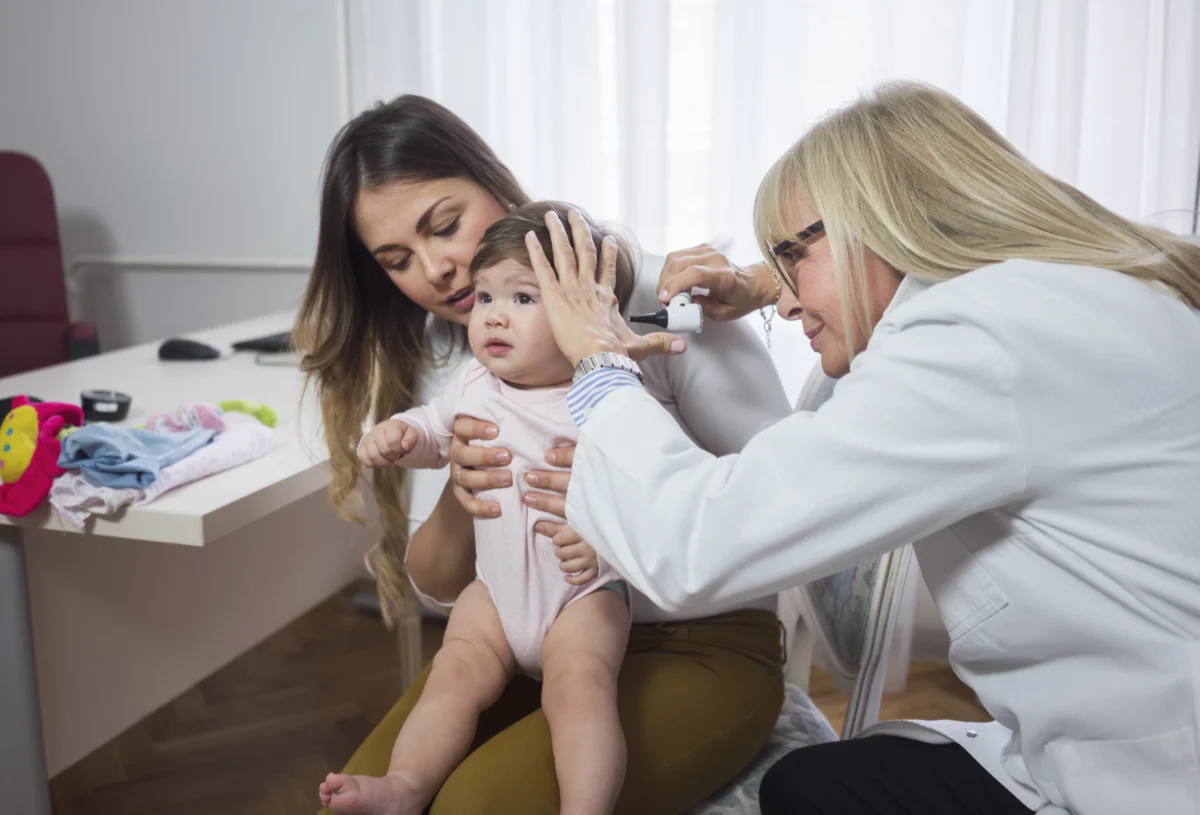
The ability to hear is foundational to a child’s overall development, profoundly influencing their capacity to communicate, learn, and interact with the world. Undiagnosed or inadequately managed hearing loss in infancy can lead to significant challenges in speech and language acquisition, cognitive development, and social-emotional well-being. Research consistently highlights the critical window for intervention: the earlier hearing loss is identified and addressed, the more effectively children can mitigate its impact and achieve developmental milestones comparable to their hearing peers. Organizations like the American Academy of Pediatrics and the World Health Organization advocate for universal newborn hearing screening programs precisely because of this crucial developmental period.
Defining Infant Hearing Loss: Temporary vs. Permanent
Infant hearing loss is characterized by a reduced or absent ability to hear sounds. This condition can manifest in one ear (unilateral) or both ears (bilateral), and its nature can be temporary or permanent.
- Temporary Hearing Loss: This form is often transient and can be attributed to reversible causes such as fluid buildup in the middle ear, recurrent ear infections (otitis media), or obstructions within the ear canal. The primary advantage of temporary hearing loss is its potential to resolve with appropriate medical intervention, such as antibiotics for infections or procedures to clear fluid.
- Permanent Hearing Loss: This type results from damage to the inner ear structures, such as the cochlea, or issues affecting the auditory nerve pathways that transmit sound signals to the brain. Permanent hearing loss necessitates long-term management strategies and support systems to ensure the child can access sound and develop communication skills effectively.
A definitive diagnosis of the type and degree of hearing loss can only be made by a qualified hearing healthcare professional, typically an audiologist, following a thorough audiological evaluation.

Identifying the Subtle Signs of Hearing Impairment
Recognizing the early indicators of hearing loss in infants is paramount for timely intervention. These signs often correlate with developmental milestones and can vary based on the baby’s age. Parental instinct is a powerful tool; if a caregiver suspects a hearing issue, seeking professional advice is always warranted.
Birth to 3 Months: The Foundation of Auditory Awareness
During the first three months of life, key auditory responses begin to emerge. A baby with typical hearing might:
- Startle or blink in response to sudden, loud noises.
- Calm or smile when spoken to by familiar voices.
- Begin to turn their eyes or head toward sounds.
- Show subtle changes in sucking or sleeping patterns in response to sound.
A lack of these responses, or a significantly diminished reaction, can be an early warning sign.
3 to 6 Months: Developing Sound Localization
As infants grow, their ability to locate the source of sounds refines. Between three and six months, a baby may:
- Actively look for the source of sounds.
- Babble with increasing variety, incorporating sounds they hear.
- Respond differently to loud and soft sounds.
- Visually track or react to voices and other sounds.
Failure to demonstrate these developing auditory behaviors warrants further investigation.

6 to 12 Months and Toddlers: Towards Speech and Language
From six months onwards, hearing plays an increasingly vital role in speech and language development. By this age, a baby typically:
- Turns directly toward sounds.
- Responds to their name.
- Recognizes and responds to familiar words like "mama" and "dada."
- Mimics sounds and speech-like intonations.
- Begins to understand simple requests or directions.
For toddlers, signs might include delayed speech development, difficulty following instructions, or a preference for visual cues over auditory ones. These can also emerge later as signs of deafness in toddlers, particularly if hearing loss develops gradually over time.
Unraveling the Causes of Infant Hearing Loss
The origins of hearing loss in infants are diverse, ranging from genetic predispositions to complications arising during pregnancy or birth. Understanding these causes is crucial for diagnosis and management.
Genetic Factors: The Inherited Blueprint
A significant portion of congenital hearing loss is hereditary. This can be due to mutations in genes responsible for the development and function of the auditory system. Notably, genetic hearing loss can be inherited even when there is no known family history of hearing problems, as genes can be passed down without manifesting in previous generations.
Prenatal Factors: Influences During Pregnancy
- Infections: Certain infections contracted by the mother during pregnancy can have devastating effects on fetal development, including the auditory system. Conditions like congenital cytomegalovirus (CMV), rubella (German measles), herpes, and toxoplasmosis are known teratogens that can lead to permanent or progressive hearing loss. Congenital CMV is a leading infectious cause of non-genetic sensorineural hearing loss in newborns.
- Maternal Health: Maternal health conditions, such as uncontrolled diabetes or high blood pressure, can also pose risks.
Perinatal Factors: Complications Around Birth
- Prematurity and Low Birth Weight: Babies born prematurely or with very low birth weights often require intensive medical care in the Neonatal Intensive Care Unit (NICU). These infants are at a higher risk for hearing loss due to various complications.
- Birth Complications: Events such as oxygen deprivation during labor and delivery (hypoxia) or severe jaundice can damage the delicate auditory structures.
- NICU Interventions: While essential for survival, some interventions in the NICU, including certain medications (ototoxic drugs) used to treat infections or other conditions, can have a side effect of damaging hearing.
Postnatal Factors: Acquired Hearing Loss
- Ear Infections and Fluid Buildup: Recurrent middle ear infections (otitis media) and persistent fluid in the middle ear are common causes of temporary hearing difficulties in infants and young children.
- Structural Abnormalities: Some babies are born with congenital malformations of the outer, middle, or inner ear, which can impede the transmission or processing of sound.
- Ototoxic Medications: Postnatal exposure to certain medications that are toxic to the ear can also lead to hearing loss.
In a substantial number of cases, the exact cause of infant hearing loss remains unidentified. Regardless of the etiology, early diagnosis and prompt intervention are critical to support the child’s development of speech, language, and overall communication abilities.
Navigating Newborn Hearing Screening and Diagnosis
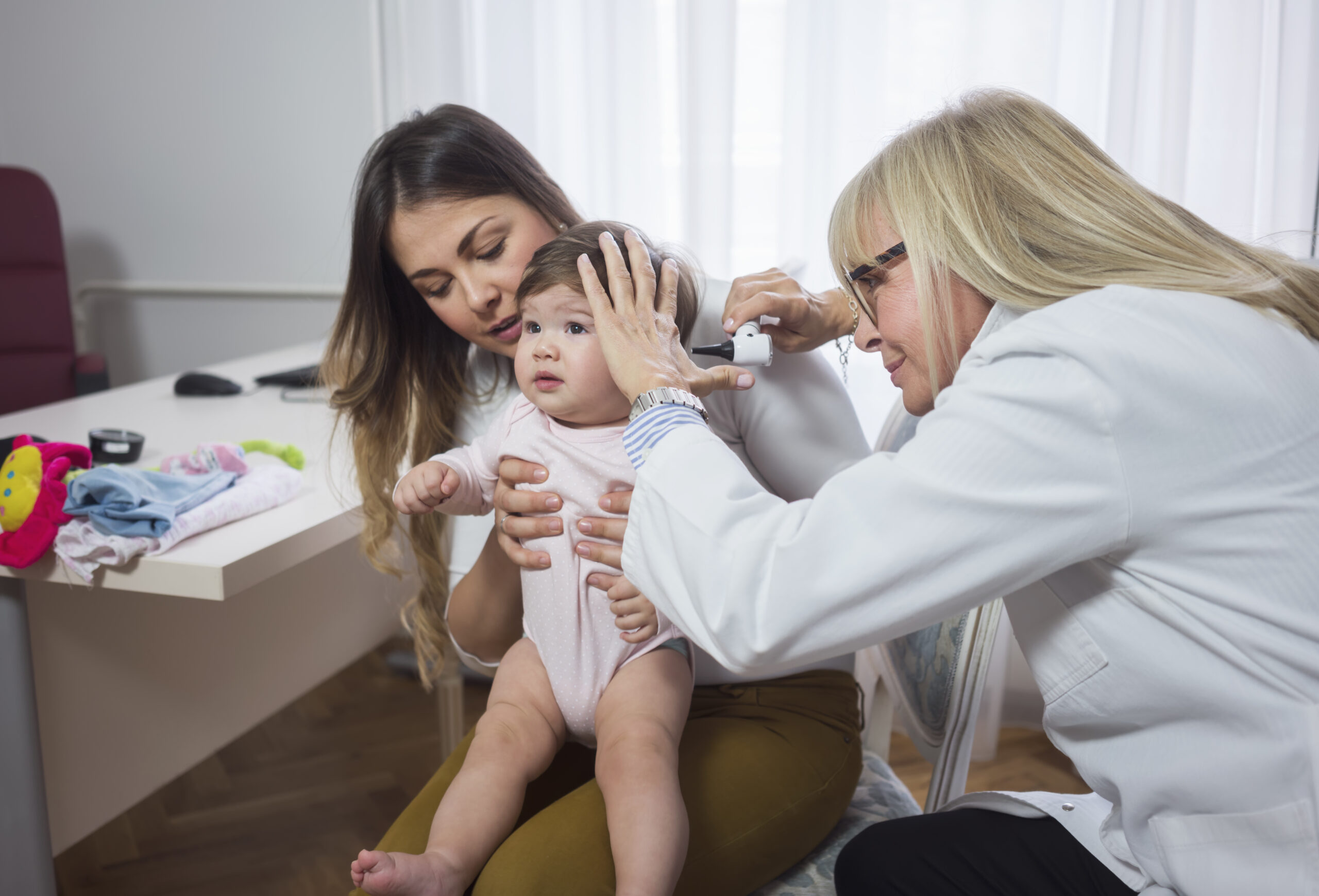
Universal newborn hearing screening is a cornerstone of early detection efforts. Most newborns undergo this non-invasive screening before hospital discharge or within the first month of life. The goal is to identify potential hearing issues early, allowing for timely intervention.
Two primary screening methods are commonly employed:
- Otoacoustic Emissions (OAE): This test measures the "echo" a baby’s ear produces in response to a sound. A small probe is placed in the baby’s ear canal, emitting soft clicks. If the inner ear (cochlea) is functioning properly, it will generate an echo that the probe detects. A lack of echo suggests a potential hearing issue.
- Auditory Brainstem Response (ABR): This test assesses how the auditory nerve and brainstem pathways respond to sound. Small sensors are placed on the baby’s head, and electrodes are placed on the ears. Soft sounds are presented through earphones, and the ABR measures the electrical activity in the brainstem in response to these sounds.
Interpreting Screening Results
Newborn hearing screening results are typically categorized as either "Pass" or "Refer."
- Pass: This indicates that the baby’s hearing appears to be within the normal range at the time of the screening. However, it is crucial to understand that a "Pass" does not entirely rule out the possibility of future hearing loss.
- Refer: This result suggests that the baby may have a hearing impairment and requires further diagnostic evaluation. A "Refer" outcome necessitates prompt follow-up testing by a qualified audiologist.
The Nuance of Hearing Loss: Delayed Onset and Unilateral Impairment
It is a critical point that a baby can pass a newborn hearing screening and still develop hearing loss later in life. This phenomenon is known as delayed-onset or progressive hearing loss. Hearing capabilities can change over time due to various factors, including genetic predispositions that manifest later, or acquired causes. Therefore, ongoing monitoring of a child’s hearing, speech, and language development is essential throughout infancy and childhood, even after a successful initial screening.
Furthermore, infant hearing loss in one ear, medically termed unilateral hearing loss, presents a unique challenge. In this scenario, a baby has normal hearing in one ear but impaired hearing in the other. While it might seem that the functional ear compensates for the deficit, unilateral hearing loss can still significantly impact a child’s development. It can affect:

- Sound localization: The ability to pinpoint the direction of a sound source.
- Speech understanding in noisy environments: Difficulty filtering out background noise to focus on speech.
- Auditory processing: The brain’s ability to interpret and understand complex auditory information.
- Academic performance: Potential challenges with listening comprehension and classroom participation.
The developing brain relies on bilateral auditory input for optimal development of auditory pathways. Reduced hearing in one ear can alter how the brain processes sound over time, underscoring the importance of early support and monitoring even for babies with unilateral hearing loss. A baby who is effectively "deaf in one ear" still benefits immensely from early intervention and consistent audiological care.
Diagnostic Pathways and the 1-3-6 Rule
If a baby does not pass a newborn hearing screening, it is crucial to remember that this does not automatically confirm permanent hearing loss. Many infants "refer" due to temporary factors like residual amniotic fluid in the ear canal or movement during the test. However, prompt follow-up diagnostic testing is non-negotiable.
The widely adopted 1-3-6 Rule provides a vital timeline for intervention:
- By 1 Month: All infants should undergo hearing screening. If they refer, diagnostic audiological evaluations should be completed.
- By 3 Months: Infants diagnosed with hearing loss should receive appropriate intervention services.
- By 6 Months: Infants with hearing loss should have appropriate listening devices or other assistive technology fitted and begin receiving early intervention services, such as speech and language therapy.
Adhering to this timeline is paramount, as it ensures that infants with hearing loss receive critical support during the most formative period for speech and language development, maximizing their potential for communication and learning.
Comprehensive Treatment and Intervention Strategies
The approach to treating infant hearing loss is highly individualized, contingent upon the specific cause, type, and severity of the impairment. A multidisciplinary team of specialists, including audiologists, otolaryngologists (ENT doctors), speech-language pathologists, and early intervention educators, collaborate to develop tailored care plans.
Medical Management for Temporary Conditions
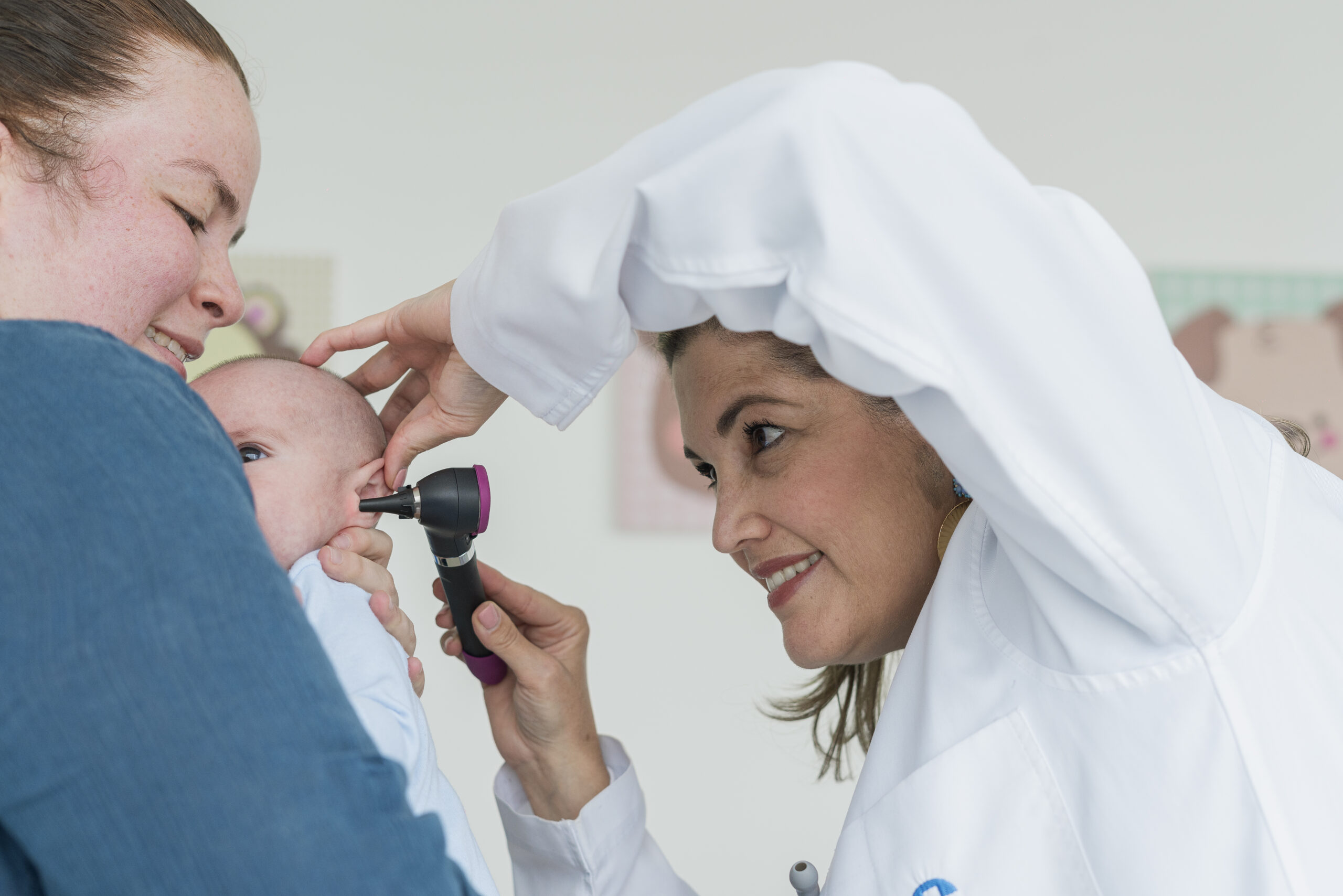
For temporary hearing issues stemming from middle ear fluid or infections, treatment may involve medications such as antibiotics or decongestants. In some persistent cases, minor surgical procedures like the insertion of tympanostomy tubes (ear tubes) may be recommended to ventilate the middle ear and drain fluid.
Early Intervention Programs
These programs are foundational for supporting infants and young children with hearing loss. They provide crucial speech, language, and listening therapy, delivered by trained professionals. Early intervention helps children develop essential communication skills, build vocabulary, and improve their ability to understand spoken language, thereby fostering their cognitive and social development.
Hearing Aids
For infants diagnosed with mild to moderate hearing loss, hearing aids are often the primary solution. These devices amplify sounds, making speech and other environmental sounds more accessible. Modern pediatric hearing aids are designed to be comfortable, durable, and often come in a variety of colors to appeal to young children. A proper fitting by an audiologist is essential to ensure optimal amplification and comfort.
Cochlear Implants: Restoring Access to Sound
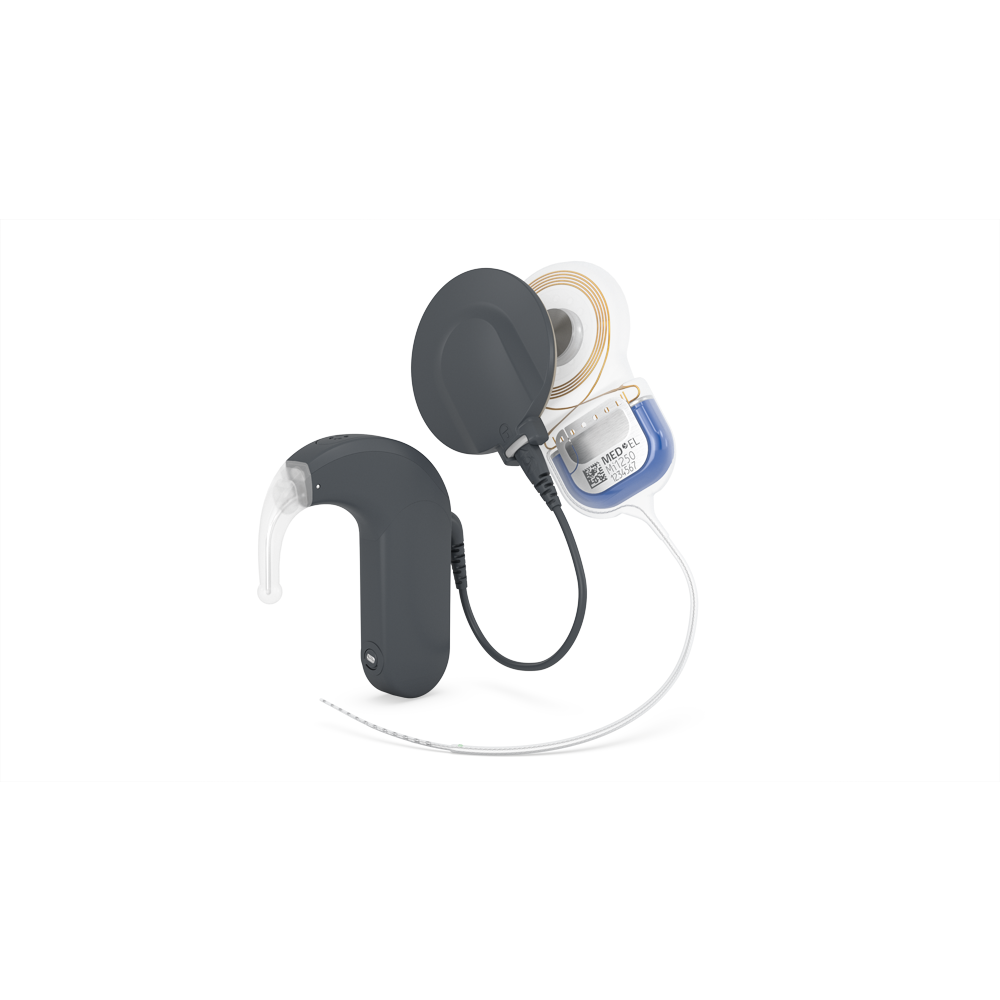
For infants and children with severe to profound sensorineural hearing loss, where hearing aids do not provide sufficient auditory access, cochlear implants offer a revolutionary solution. Unlike hearing aids, which amplify sound, cochlear implants bypass damaged parts of the inner ear and directly stimulate the auditory nerve. This device consists of an external component (microphone, speech processor, and transmitter) and an internal component (receiver and electrode array implanted surgically).
Cochlear implants can enable children with profound hearing loss to perceive sound and develop spoken language. The decision for cochlear implantation is made in consultation with a multidisciplinary team, considering factors such as the degree of hearing loss, the child’s overall health, and parental commitment to intensive rehabilitation and therapy. MED-EL, a leading provider of implantable hearing solutions, emphasizes the importance of early implantation, noting that children implanted before 18 months of age often achieve superior language outcomes.
Empowering Parents: The Next Steps
Navigating a diagnosis of infant hearing loss can be daunting for parents. However, with early detection, expert guidance, and a robust support system, children can achieve remarkable developmental outcomes and lead fulfilling lives.
If you are concerned about your baby’s hearing:
- Trust your instincts: If something doesn’t feel right, seek professional advice.
- Follow up on screening results: Do not delay diagnostic audiological evaluations if your baby refers.
- Engage with early intervention: Connect with early intervention services promptly to access crucial therapeutic support.
- Educate yourself: Learn as much as possible about hearing loss and the available treatment options.
- Build a support network: Connect with other families, parent groups, and healthcare professionals.
Frequently Asked Questions:
- What are the early signs of hearing loss in infants?
Early signs can include not startling at loud sounds, not turning toward voices, not responding to their name, delayed babbling, or delayed speech development. Signs can vary by age, so it is important to watch hearing and communication milestones over time. - What does it mean if my baby does not pass the newborn hearing screening?
A "refer" result means your baby needs follow-up testing. It does not always mean permanent hearing loss, but it is important to schedule the next evaluation promptly so doctors can better understand your baby’s hearing needs. - Can a baby pass screening and still have hearing loss?
Yes. A baby can pass a newborn hearing screening and still develop hearing loss later. This is called delayed-onset or progressive hearing loss, which is why parents should continue monitoring hearing, speech, and language milestones as their child grows. - What causes hearing loss in babies?
Hearing loss in babies can be caused by genetics, infections during pregnancy, prematurity, NICU-related factors, jaundice, structural differences in the ear, or temporary conditions such as fluid or ear infections. In some cases, the exact cause is not known. - How is hearing loss in infants treated?
Treatment depends on the cause and severity of the hearing loss. Options may include medical treatment, hearing aids, cochlear implants when appropriate, speech and language support, and follow-up care with hearing specialists. Early intervention can help support communication and language development.
The journey with infant hearing loss is one that requires proactive engagement and consistent support. By understanding the signs, causes, and available interventions, parents can empower their children to overcome challenges and thrive.
Disclaimer: This article is for informational purposes only and does not constitute medical advice. Always consult with a qualified healthcare professional for any health concerns or before making any decisions related to your health or treatment.