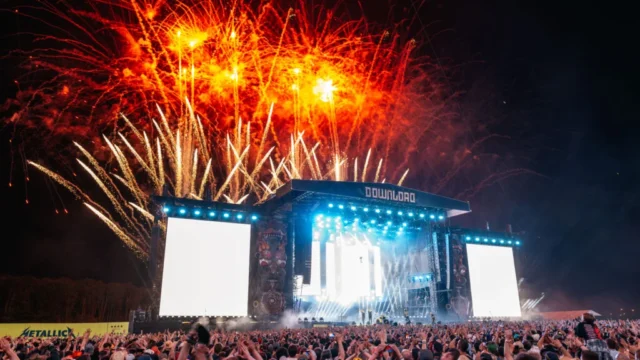
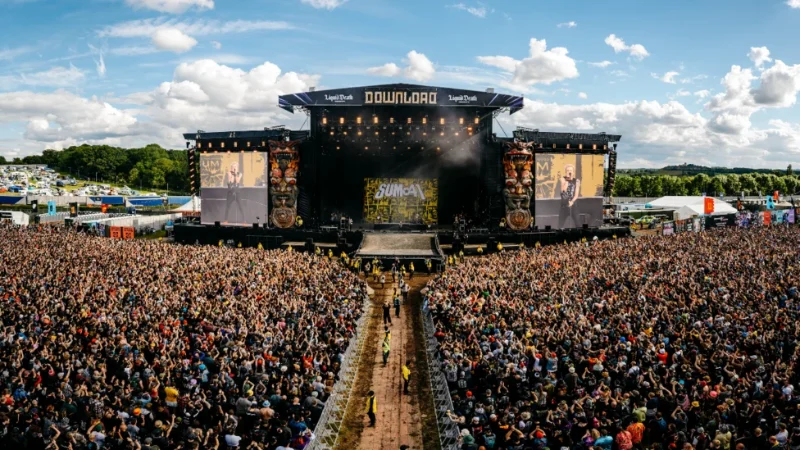
A central pillar of this year’s awareness initiative is the partnership between Tinnitus UK and the Download Festival 2026. This collaboration marks a significant milestone in the ongoing dialogue regarding sound exposure in high-decibel environments. Download Festival, renowned for its heavy metal and rock heritage, provides a high-stakes backdrop for this conversation, as these genres often involve prolonged exposure to sound levels that exceed the recommended safety thresholds for human hearing.
The Physiology of Sound and Risk Factors
To understand the urgency of this advocacy, one must look at the mechanics of hearing. The human ear is a delicate instrument capable of interpreting sound waves through the vibration of hair cells within the cochlea. When these cells are subjected to excessive decibel (dB) levels for sustained periods, they can become damaged or destroyed. Unlike other tissues in the human body, these hair cells do not regenerate once lost, leading to permanent hearing loss or the onset of tinnitus.
Tinnitus, defined as the perception of ringing, buzzing, hissing, or whistling sounds in the ears or head in the absence of an external acoustic stimulus, affects an estimated one in seven adults in the United Kingdom. While often associated with aging, recent epidemiological data indicates an increasing prevalence among younger demographics, with researchers pointing to the widespread use of high-volume personal audio devices and frequent attendance at amplified live events as primary contributing factors.
Chronology of Awareness Efforts
The current push by Tinnitus UK is the culmination of a decade-long shift in public health policy regarding noise-induced hearing loss. Historically, the music industry operated with minimal regulation regarding audience sound exposure, focusing primarily on the clarity and power of the output for the listener’s enjoyment.
In 2024, industry bodies began implementing stricter internal guidelines for sound engineers, aiming to cap maximum volumes during headline sets. By 2025, Tinnitus UK launched a series of pilot programs at mid-sized venues to test the efficacy of public-facing educational campaigns. These programs successfully demonstrated that providing accessible information at the point of entry significantly increased the uptake of high-fidelity earplugs among concert attendees. The 2026 expansion into the Download Festival represents the next phase of this chronology: moving from local venues to the largest stadium-scale events in the country, thereby reaching the broadest possible audience.
Supporting Data on Decibel Exposure
The correlation between volume and damage is well-documented by the World Health Organization (WHO). Standard conversation occurs at approximately 60 decibels. Lawnmowers operate at around 90 decibels. Live music festivals, however, frequently reach levels between 100 and 115 decibels. At 100 decibels, the threshold for irreversible damage to the hair cells can be reached in as little as 15 minutes of unprotected exposure.
According to data compiled by auditory health researchers, the "recovery period"—the time required for ears to return to a baseline state after loud exposure—becomes exponentially longer as the cumulative exposure time increases. For many festival-goers who attend multi-day events, the lack of sufficient recovery time between daily performances creates a "compounding damage" effect. This is why Tinnitus UK emphasizes not only the use of protective gear but also the importance of taking "acoustic breaks" during a festival schedule.
Perspectives from Industry Professionals
The partnership with Download Festival 2026 has been met with positive feedback from industry experts. Sound technicians, who are themselves at high risk for occupational hearing loss, have noted that the availability of earplugs does not compromise the artistic integrity of the performance. Modern high-fidelity earplugs are engineered to attenuate volume evenly across all frequencies, preventing the "muffled" sound quality associated with older, foam-based protection.
Representatives from festival management groups have stated that the goal of this partnership is to foster an environment where "safety is synonymous with the festival experience." By incorporating information stations and readily available protective equipment, organizers are acknowledging their duty of care toward attendees. This reflects a broader industry trend where the "wellness" of the audience is becoming as important as the logistical safety of the venue itself.
Strategic Approaches to Hearing Preservation
The advocacy strategy promoted by Tinnitus UK is built upon four practical pillars designed to be accessible to the average music fan:
- Utilization of High-Fidelity Earplugs: Unlike basic foam plugs, these devices utilize acoustic filters to lower the volume of the music while preserving the clarity of the treble and bass, ensuring that the musical experience remains authentic.
- Strategic Acoustic Breaks: Implementing a "recovery protocol" by stepping away from the main stage for 10 to 15 minutes every two hours allows the auditory system to rest, reducing the risk of temporary threshold shifts (the sensation of "ringing" ears post-show).
- Proximity Awareness: A simple rule of thumb provided by health experts is the "shouting test." If an individual is unable to hold a conversation at a normal volume with someone standing one meter away, the sound environment is likely exceeding 90 decibels. Increasing distance from the speaker stacks—even by a few meters—can result in a significant drop in decibel exposure due to the inverse square law of sound propagation.
- Pediatric Safeguarding: Children are particularly vulnerable to noise-induced damage. The use of specialized ear defenders that fit securely is essential for younger attendees, as their auditory systems are still in the developmental stage and more susceptible to high-intensity noise.
Broader Implications for Public Health
The long-term implications of this initiative are substantial. By normalizing the use of ear protection, Tinnitus UK is working to destigmatize the condition of tinnitus itself. For the millions of individuals currently living with the condition, the charity provides a vital support network. This includes the provision of clinical information, access to specialized support groups, and the operation of a free, confidential helpline.
The integration of these safety measures into the "DNA" of the UK festival scene suggests a pivot toward a more sustainable model of entertainment. If the music industry can successfully marry high-octane performance with proactive hearing health management, the long-term economic and social burden of noise-induced hearing loss could be significantly mitigated. Analysts suggest that if these practices become standard, it could lead to reduced health service utilization related to hearing issues over the coming decades.
A Call for Continued Engagement
As the summer season progresses, the message from Tinnitus UK remains consistent: the enjoyment of live music does not need to be sacrificed for the sake of long-term health. The goal is not to silence the music, but to ensure that the music remains accessible to fans for a lifetime.
For those who may already be experiencing the early signs of tinnitus—such as persistent ringing after a concert—the charity advises that early intervention is key. Accessing trusted resources and speaking with qualified professionals can provide individuals with the tools to manage their symptoms and prevent further degradation of their hearing.
As Download Festival 2026 approaches, the spotlight remains on the collective responsibility of the music community. By adopting these simple, evidence-based practices, festival attendees can continue to support the artists they admire while safeguarding their most precious asset: their hearing. The path forward is one of informed participation, ensuring that every beat, chord, and melody heard this summer can still be appreciated for many years to come. For further information, guidance, or support, the Tinnitus UK helpline remains the primary point of contact for individuals seeking to protect their hearing or manage the effects of existing auditory conditions.