

The Nature of Double Hearing
At its core, diplacusis signifies a disruption in the auditory pathway, where the brain receives incongruent sound information from the ears. This mismatch can originate at various points, including the ears themselves, the cochlea, the auditory nerve, or the neural pathways responsible for processing sound. The resulting perceptual anomaly can range from a subtle detuning of sounds to a pronounced echo, profoundly affecting the clarity and coherence of auditory input.

The experience of diplacusis can be deeply unsettling. Individuals may describe hearing sounds as doubled, distorted, or out of tune, leading to significant distress and functional impairment. This can manifest in a myriad of everyday situations: struggling to follow conversations in noisy environments, finding phone calls disorienting, experiencing a jarring disconnect when listening to music, or even missing crucial auditory cues like alarms. The impact on quality of life can be substantial, underscoring the importance of understanding and addressing this condition.
Unpacking the Types of Diplacusis
Diplacusis is not a monolithic entity; it presents in several distinct forms, categorized by how the sound discrepancy manifests:
Diplacusis Binauralis: The Inter-Ear Discrepancy
This form of diplacusis involves a difference in how sound is perceived between the two ears. It further divides into two subtypes:

- Echoica: In Diplacusis Echoica, the same sound reaches each ear at slightly different times. This temporal discrepancy leads to a perception of the sound as delayed or echoed, disrupting the natural flow of auditory information. Imagine listening to a single spoken word that seems to linger or repeat itself, making it challenging to keep pace with the speaker.
- Dysharmonica: This is perhaps the most commonly discussed type, characterized by a pitch mismatch between the ears. When a sound is presented, one ear might register its pitch accurately, while the other perceives it as higher, lower, or subtly detuned. This can be particularly distressing for musicians or individuals with a keen ear for pitch, leading to music sounding "off" or voices having an unsettling quality. It is often linked to asymmetrical hearing loss, where each ear experiences different degrees or types of hearing impairment, or to conditions affecting the inner ear’s ability to process pitch information uniformly.
Diplacusis Monauralis: The Intra-Ear Discrepancy
While less common, Diplacusis Monauralis occurs within a single ear. Here, a singular sound is perceived as two distinct tones or pitches by that ear alone. This can create a sense of internal dissonance within the affected ear, contributing to a distorted auditory experience.
What Does Double Hearing Sound Like?
Describing the subjective experience of double hearing can be challenging for those affected. However, common descriptions include:
- Pitch Discrepancies: Sounds, particularly pure tones, music, and speech, are heard at different pitches in each ear, or within a single ear if monaural. This can make melodies sound discordant and speech intelligibility suffer.
- Echoes or Repetitions: Sounds may seem to linger, repeat, or arrive with a noticeable delay, creating an echo-like effect. This temporal distortion can make it difficult to process rapid speech or complex auditory patterns.
- Distortion or Muffled Quality: In some instances, the perceived sound may also be described as distorted or having a muffled quality, further compounding the difficulty in clear auditory perception.
These symptoms can be most pronounced when listening to specific types of sounds, including pure tones used in audiometric testing, musical instruments, spoken language, audio from telephones, and sounds delivered through headphones.

Unraveling the Causes of Diplacusis
The underlying causes of diplacusis are diverse, reflecting the complex nature of the auditory system. A common thread is the transmission of mismatched sound information to the brain. Potential culprits include:
- Earwax Blockage: An accumulation of earwax can alter the way sound waves reach the eardrum and middle ear, leading to conductive hearing loss and, consequently, diplacusis. This is often a temporary cause that can be resolved with professional removal.
- Ear Infections and Fluid Buildup: Infections in the middle ear (otitis media) or the presence of fluid behind the eardrum can impede sound transmission and distort pitch perception, resulting in diplacusis.
- Sudden Hearing Loss: A rapid, unexplained loss of hearing, particularly sensorineural hearing loss, can disrupt the delicate balance of the cochlea and auditory nerve, frequently leading to diplacusis. This is considered a medical emergency requiring prompt evaluation.
- Loud Noise Exposure (Acoustic Trauma): Intense or prolonged exposure to loud noise can damage the hair cells in the cochlea, leading to temporary or permanent hearing loss and associated diplacusis.
- Inner Ear Disorders: Conditions affecting the inner ear, such as Meniere’s disease or labyrinthitis, can disrupt the processing of sound and balance, often manifesting with diplacusis.
- Asymmetric Hearing Loss: When hearing loss affects one ear more severely or differently than the other, the brain struggles to reconcile the disparate auditory inputs, a common precursor to diplacusis dysharmonica.
- Ototoxic Medications: Certain medications known to be toxic to the ear can damage cochlear structures, potentially leading to hearing loss and diplacusis.
- Head Trauma: Injuries to the head can affect the auditory pathways, from the inner ear to the brain, potentially resulting in diplacusis.
- Neurological Conditions: In rarer cases, neurological disorders affecting the brain’s auditory processing centers can manifest as diplacusis.
The onset of diplacusis can be acute, particularly if linked to sudden hearing loss or trauma, or it can develop gradually over time. The duration of the condition is intrinsically tied to its underlying cause, with temporary issues often resolving once treated, while permanent hearing loss may require ongoing management.
The Impact on Hearing Health
The presence of diplacusis, especially when it occurs suddenly or in one ear, should be taken seriously. A professional hearing test is essential to determine the nature of the hearing loss—whether it is conductive, sensorineural, or mixed—and to identify any other contributing medical factors. When one ear’s auditory input significantly differs from the other, the brain faces a considerable challenge in merging these signals into a unified and clear listening experience.
Diagnosis and Evaluation
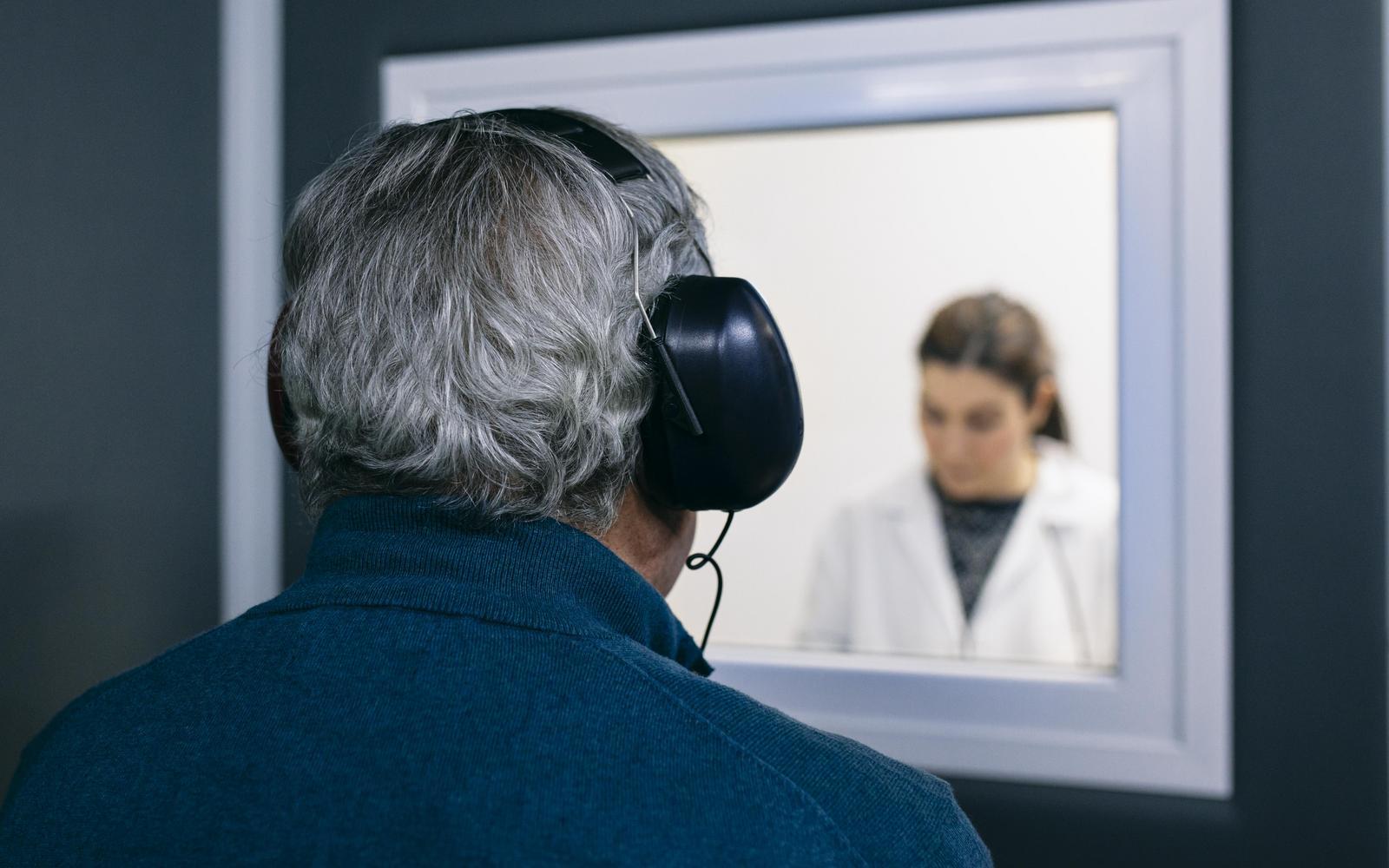
Diagnosing diplacusis involves a multi-faceted approach to pinpoint the root cause. A healthcare professional will typically:
- Gather Detailed History: Inquire about the onset and duration of symptoms, whether one or both ears are affected, and the presence of associated symptoms such as tinnitus, dizziness, ear fullness, ear pain, recent loud noise exposure, head trauma, or changes in medication.
- Perform an Ear Examination: Visually inspect the ear canal and eardrum to identify any blockages (like earwax), signs of infection, or other abnormalities.
- Conduct Hearing Tests:
- Pure Tone Audiometry: Measures hearing thresholds across different frequencies to identify the type and degree of hearing loss.
- Speech Testing: Assesses the ability to understand spoken words at various volumes, crucial for understanding the impact of diplacusis on communication.
- Pitch Matching and Other Audiological Tests: Specialized tests may be employed to specifically evaluate pitch perception differences and the nature of the auditory distortion.
If symptoms are sudden, unilateral, medically complex, or accompanied by neurological signs like dizziness, an Ear, Nose, and Throat (ENT) specialist’s expertise is often required.
Treatment and Management Strategies
There is no single, universal treatment for diplacusis; the most effective approach is dictated by the underlying cause. Management strategies can include:

Addressing Temporary Causes
- Professional Earwax Removal: If earwax is the culprit, safe and professional removal can quickly resolve the diplacusis.
- Medical Treatment for Infections: Antibiotics or other medications may be prescribed to treat ear infections or inflammation.
- Decongestants or Allergy Management: For congestion-related diplacusis, addressing the underlying nasal or sinus issues can provide relief.
It is crucial to avoid aggressive home remedies like cotton swabs or ear candling, which can exacerbate irritation or cause injury.
Managing Hearing Loss-Related Diplacusis
When diplacusis is linked to hearing loss, several avenues can be explored:
- Hearing Aids: For mild to moderate hearing loss, hearing aids can amplify sounds, potentially improving the balance of auditory input between the ears and mitigating the effects of diplacusis. However, they do not directly "cure" the double hearing but rather aim to enhance overall auditory clarity and function.
- Auditory Rehabilitation and Sound Therapy: These programs involve specialized exercises and strategies designed to help the brain better process and interpret auditory information, improving listening skills and adaptation to distorted sounds.
- Tinnitus Management: Since tinnitus and diplacusis can co-occur, managing tinnitus can indirectly improve the overall auditory experience.
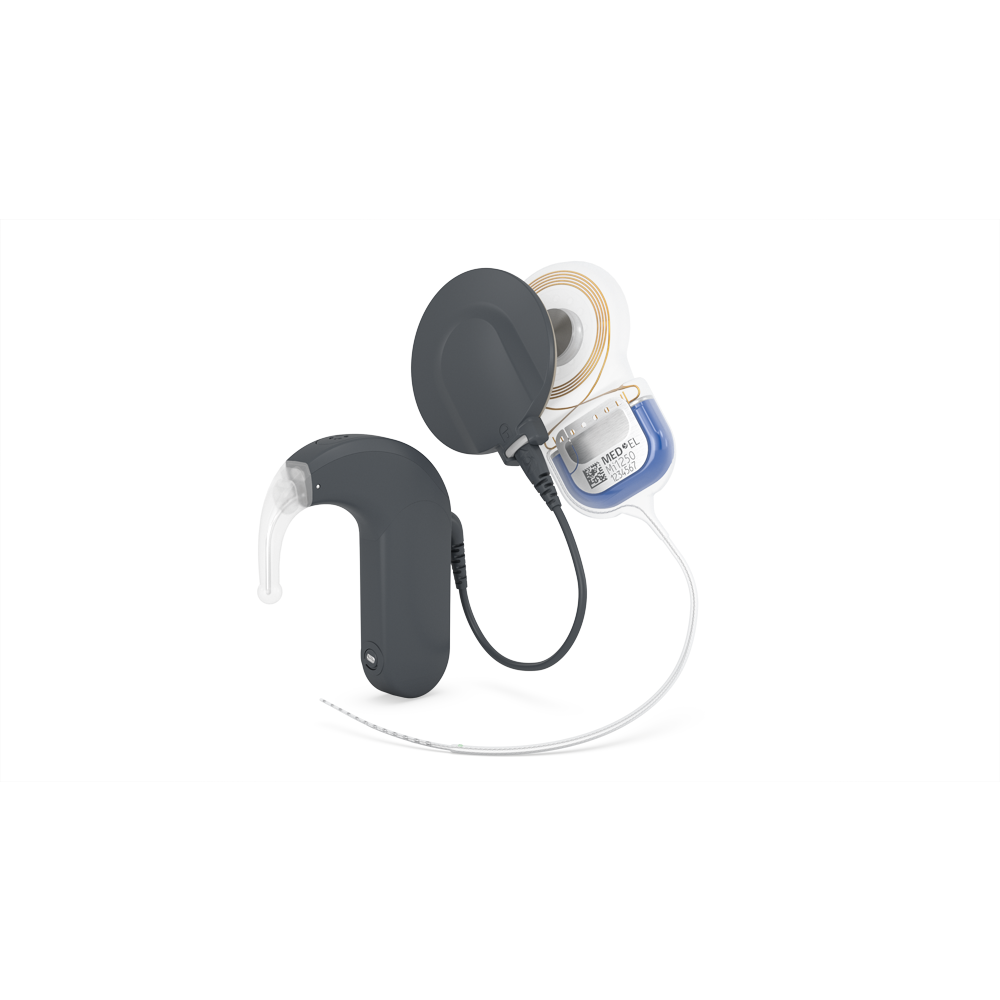
- Hearing Implants: In cases of severe-to-profound sensorineural hearing loss or single-sided deafness, hearing implantable solutions, such as cochlear implants, may be considered after thorough specialist assessment. These devices bypass damaged parts of the ear to directly stimulate the auditory nerve, offering a potential pathway to restore hearing and reduce the impact of diplacusis.
When Hearing Technology Becomes a Consideration
For individuals with permanent hearing loss, advanced hearing technologies can play a significant role. Hearing aids can be programmed to optimize sound delivery and balance. In more severe cases, cochlear implants are designed to provide a functional level of hearing for individuals with profound hearing loss who do not benefit sufficiently from conventional hearing aids. For those with single-sided deafness, cochlear implants or specialized bone-anchored hearing systems can help restore a sense of hearing direction and improve speech understanding in noisy environments, thereby mitigating the effects of diplacusis.
Seeking Medical Help: Red Flags
Certain symptoms accompanying diplacusis warrant immediate medical attention. Seek urgent or same-day evaluation if double hearing is accompanied by:
- Sudden hearing loss
- Sudden dizziness or vertigo
- Sudden onset of severe headache
- Facial weakness or numbness
- Difficulty speaking or swallowing
- Clear fluid or pus draining from the ear
- Severe ear pain
Persistent, worsening, or disruptive diplacusis symptoms should prompt an appointment with an audiologist, ENT specialist, or other qualified healthcare professional for diagnosis and management.
Key Takeaways on Diplacusis
- Diplacusis is a symptom: It signifies a discrepancy in how sounds are perceived, often as doubled, echoed, or out of tune.
- Causes are varied: From simple earwax buildup to complex sensorineural hearing loss or neurological issues.
- Types exist: Diplacusis binauralis (between ears) and monauralis (within one ear), with subtypes Echoica (timing) and Dysharmonica (pitch).
- Prompt evaluation is key: Sudden onset or accompanying severe symptoms require immediate medical attention.
- Treatment is cause-dependent: Addressing the underlying issue is paramount.
- Management options vary: Ranging from simple ear care to hearing aids and advanced implantable solutions.
- Early intervention improves outcomes: Seeking professional help can lead to better management and improved quality of life.
In conclusion, diplacusis, or double hearing, is a disorienting auditory experience that demands careful attention. Understanding its various forms, causes, and available interventions empowers individuals to seek appropriate medical care and navigate the complexities of distorted auditory perception, ultimately striving for clearer and more coherent hearing.

About the Author:
Dr. Yi Ge is a certified otolaryngologist who has been with MED-EL since 2003. She has held diverse roles across clinical, regulatory, and medical affairs, currently serving as the Senior Manager of Medical Affairs at MED-EL Innsbruck. Her work centers on the assessment of medical processes to support product development and risk management. Dr. Ge’s extensive knowledge of hearing implant systems and global regulatory requirements enables her to champion patient-centered innovation in hearing healthcare.