The Path to Diagnosis and Clinical Understanding
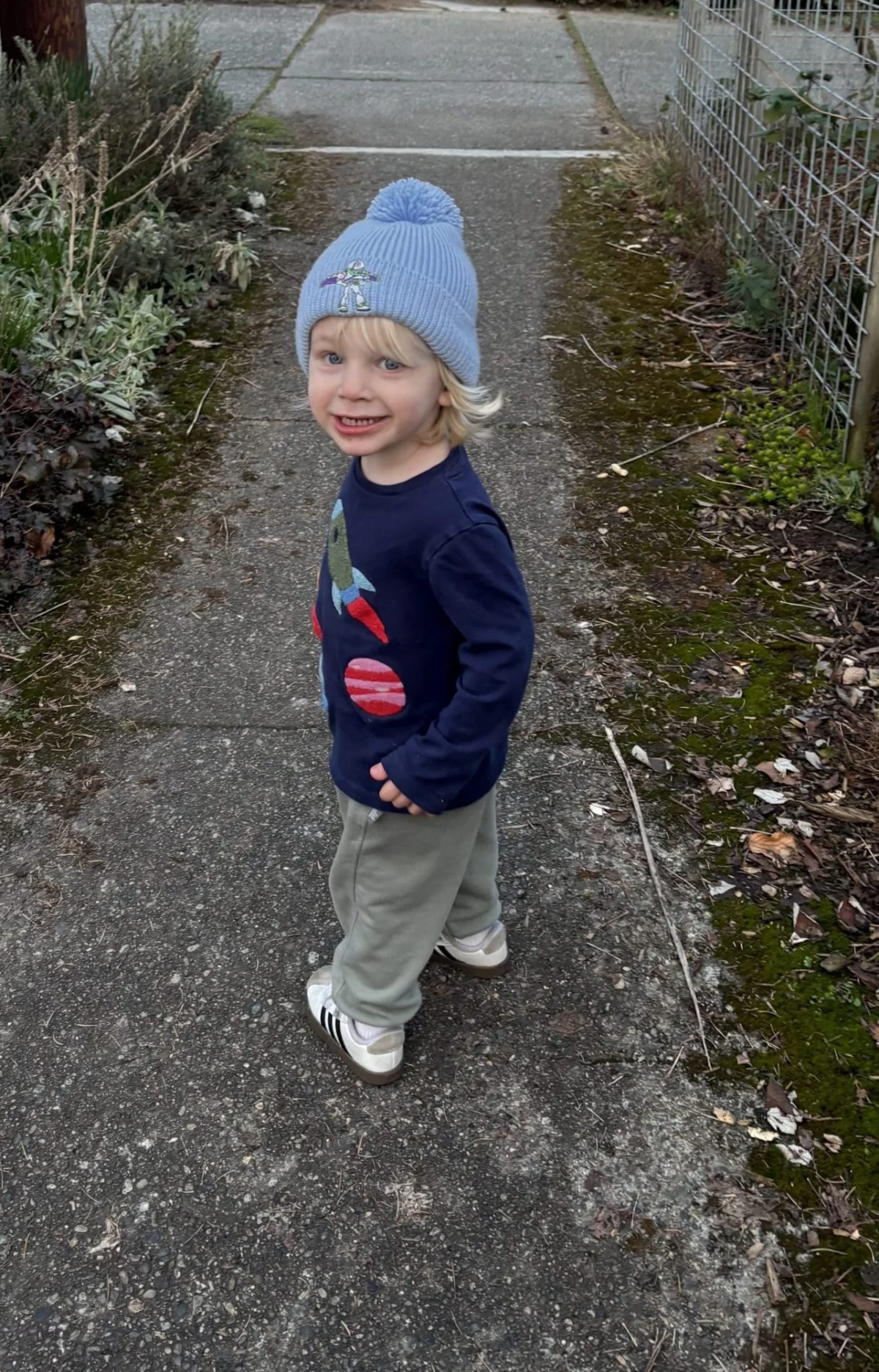
Landon’s diagnostic journey began shortly after birth when he failed his newborn hearing screening. While such screenings are standard protocol in modern neonatal care, they often trigger a period of intense uncertainty for parents. Following months of pediatric audiology testing, clinicians identified the root cause of his hearing impairment: a specific genetic mutation involving the deletion of both the STRC (stereocilin) and CATSPER2 genes.
The STRC gene is essential for the production of stereocilin, a protein critical to the function of hair cells within the inner ear. When this gene is deleted, it often results in non-syndromic sensorineural hearing loss. For Landon, this manifests as a difficulty in accessing higher-frequency sounds, such as the sibilant "s" sound or the ambient noise of running water. These specific deficits can significantly impede speech acquisition and social development if left unaddressed. By 17 months of age, Landon was fitted with hearing aids to bridge this auditory gap, marking the commencement of his transition into intensive developmental support.
Chronology of Early Intervention Services
The timeline of Landon’s development highlights the proactive approach required for effective pediatric audiology management.
- Birth (0–2 months): Initial newborn hearing screening failure leads to follow-up clinical testing.
- Two Months: Formal diagnosis of mild-moderate bilateral sensorineural hearing loss due to STRC and CATSPER2 gene deletions.
- Three Months: Enrollment in the Birth to Three program through Listen and Talk, providing foundational parental guidance and emotional support.
- 17 Months: Successful fitting of pediatric hearing aids to address high-frequency sound deficits.
- Preschool Years: Integration into a blended classroom environment, focusing on speech therapy and the development of self-advocacy skills.
Throughout this period, the role of specialists like Meghan, a Birth to Three program specialist, proved pivotal. The relationship between the service provider and the family moved beyond clinical instruction, evolving into a collaborative partnership that addressed the emotional toll of the diagnostic process while equipping the family with actionable strategies.
Data and Clinical Implications of Early Intervention
According to the National Institute on Deafness and Other Communication Disorders (NIDCD), the majority of children born with hearing loss who receive intervention before six months of age develop language skills on par with their hearing peers by the time they reach school age. Conversely, delays in diagnosis or the initiation of services can lead to persistent gaps in vocabulary and academic achievement.
Listen and Talk’s methodology focuses on an "auditory-rich" environment, which is statistically shown to improve outcomes for children with hearing impairments. In a blended classroom—a setting where children with hearing loss learn alongside typically hearing peers—the focus is on normalized social interaction. This environment allows children to practice advocacy skills, such as requesting that a speaker faces them directly or asking for a reduction in background noise. These skills are essential, as children with hearing loss often experience "listening fatigue," a condition where the cognitive effort required to process incomplete auditory signals leads to exhaustion and decreased focus in academic settings.
Professional Strategies for Classroom Integration
A significant component of the support provided by Listen and Talk involves bridge-building between the clinical setting and the child’s daily environment, including preschool. Experts emphasize that environmental modifications are just as critical as the hearing aids themselves.
Recommended strategies for educators include:
- Proximity Positioning: Ensuring the child is seated closest to the primary sound source (the teacher) to maximize the signal-to-noise ratio.
- Acoustic Control: Limiting ambient noise in the classroom, such as shutting doors or using rugs to dampen echoes, which can distort high-frequency sounds.
- Fatigue Management: Providing periodic "quiet breaks" to allow the child to recover from the cognitive load of constant listening.
These interventions are designed to be proactive rather than reactive, ensuring that the child is not merely surviving the school day but actively participating in it.
The Broader Impact on Families and Communities
The journey of families like Landon’s highlights the essential role of specialized institutions in providing a roadmap for those navigating the complexities of pediatric hearing loss. Beyond the immediate benefit to the child, organizations like Listen and Talk serve as a hub for parent education, reducing the psychological burden that often accompanies a life-changing medical diagnosis.

The financial and social implications of these programs are significant. By funding early intervention, speech therapy, and audiology testing, these organizations reduce the long-term societal costs associated with language delays and specialized education requirements in later years. When a child is equipped with the tools to advocate for themselves at a young age, they are significantly more likely to succeed in mainstream educational environments, sports, and social groups.
A Vision for Future Success
The ultimate goal for professionals in this field is the removal of barriers to communication. As Listen and Talk articulates, the vision is that "no child is limited by hearing loss." This requires a combination of early genetic screening, rapid access to assistive technology, and the continuous presence of support systems that transition with the child as they grow.
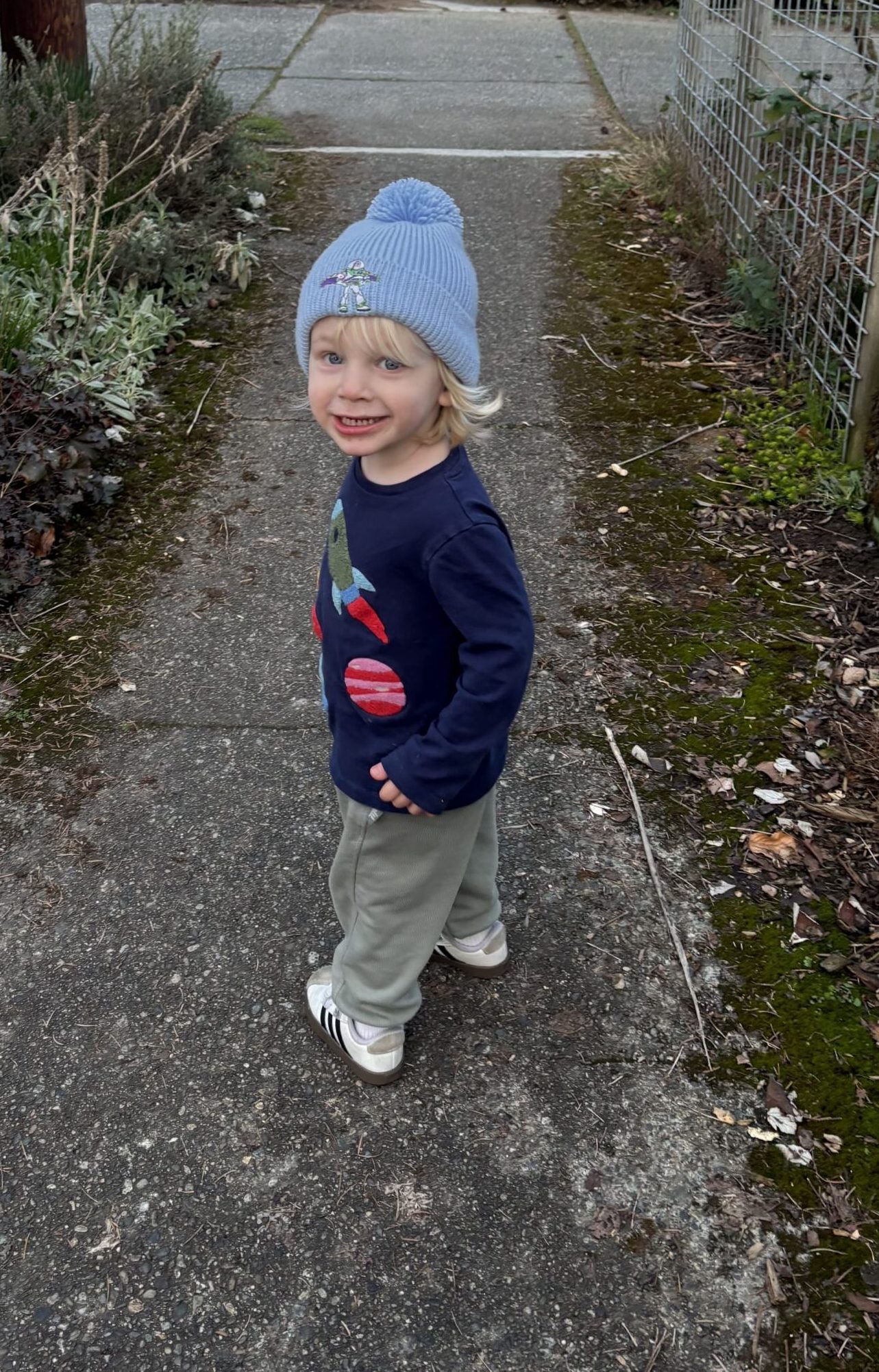
Landon’s success—characterized by a rapidly expanding vocabulary and improved articulation—stands as a testament to the effectiveness of these early interventions. However, the work is ongoing. As Landon moves toward kindergarten, his ability to navigate his environment with confidence will continue to be bolstered by the foundations laid during his early years.
For families, the lesson of this case is clear: the integration of clinical support, family education, and inclusive educational settings creates a powerful ecosystem for development. While the diagnosis of a genetic hearing condition is undeniably challenging, the combination of modern technology and specialized pedagogical strategies provides a pathway for children to achieve their full potential. The continued support of such social impact enterprises remains vital, as they provide the essential infrastructure that transforms a diagnosis into a manageable—and often thriving—part of a child’s life story.
Supporting the Future of Auditory Education
The sustainability of these programs relies on ongoing community and philanthropic support. Organizations that provide specialized early intervention, including comprehensive audiology services and parent training, are often the primary point of contact for families in crisis. Donations directly fund the equipment, professional staffing, and facility maintenance required to maintain these high standards of care.
As advancements in genetic testing continue to improve the speed of diagnosis, the need for these early intervention services is expected to rise. Ensuring that families have access to these resources regardless of their location or background is a public health imperative. By investing in the early years of a child’s life, society secures a future where hearing loss is a challenge to be managed, rather than a barrier to success. The commitment shown by organizations like Listen and Talk continues to set the benchmark for how we support the next generation of deaf and hard-of-hearing children.