

The Crucial Distinction: Hearing Implants Versus Hearing Aids
Understanding the fundamental differences between hearing aids and hearing implants is paramount for individuals navigating hearing loss. While both aim to enhance auditory perception, their methodologies diverge significantly.
Hearing Aids: These devices function by amplifying external sounds, which are then channeled through the ear canal to the eardrum. This amplified sound then travels through the natural auditory pathway to the inner ear and brain for processing. This approach is highly effective for individuals with mild to moderate hearing loss, where the natural hearing structures are still capable of effectively interpreting amplified sound signals. According to the National Institute on Deafness and Other Communication Disorders (NIDCD), over 30 million Americans aged 20 to 69 have some degree of hearing loss, with many benefiting from hearing aids.
Hearing Implants: In contrast, hearing implants are designed to circumvent or directly stimulate specific parts of the compromised auditory system. They are not merely more powerful versions of hearing aids; rather, they employ distinct technological pathways to transmit sound information to the brain. The choice between a hearing aid and a hearing implant is critically dependent on the type, severity, and cause of an individual’s hearing loss.
Decoding the Spectrum of Hearing Loss and Implant Suitability
The decision to pursue a hearing implant is a significant one, informed by a thorough audiological and medical assessment. The following table outlines the general principles guiding the selection of auditory solutions:

| Solution | How They Work | When They May Be Considered |
|---|---|---|
| Hearing Aids | Amplify sound, transmitted through the ear canal. | For mild and moderate hearing loss where amplified sound can be processed effectively by the natural auditory system. |
| Hearing Implants | Bypass, stimulate, or directly activate parts of the hearing pathway. | When hearing aids do not provide adequate benefit, are not suitable due to the nature of the hearing loss, or are not tolerated. |
Exploring the Main Categories of Hearing Implants
A variety of surgical hearing implant types exist, each meticulously engineered to address distinct hearing conditions. A hearing specialist will recommend the most suitable option following a comprehensive evaluation.
Cochlear Implants (CIs)
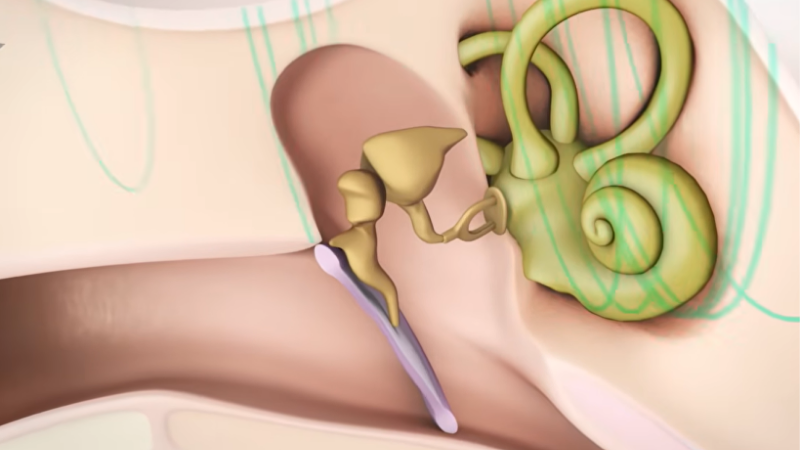
Cochlear implants are sophisticated devices designed for individuals with severe to profound sensorineural hearing loss who experience limited benefit from even the most advanced hearing aids. This type of hearing loss typically involves damage to the hair cells in the cochlea, the spiral-shaped cavity of the inner ear that contains the organ of Corti.
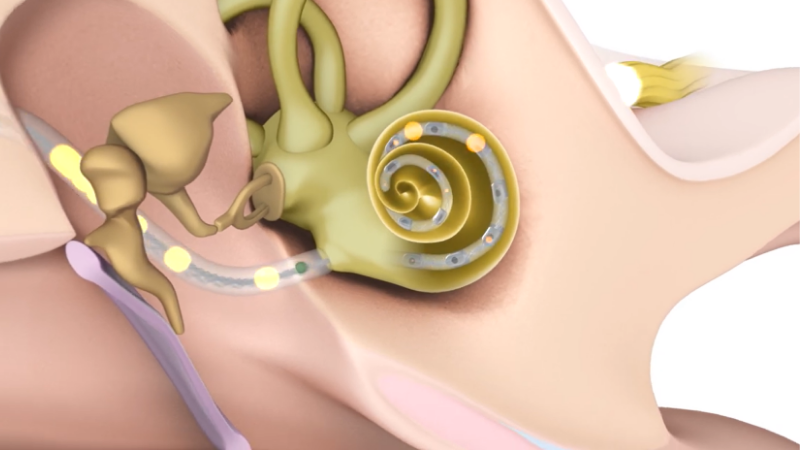
How They Work: A cochlear implant system consists of two main components: an internal implant surgically placed under the skin and an external audio processor worn behind the ear. The external processor captures sound, converts it into digital signals, and transmits these signals to the internal implant. The internal implant then processes these signals further, converting them into electrical impulses. These electrical impulses are delivered directly to the cochlea via an electrode array inserted into the cochlear duct. This process bypasses the damaged hair cells and directly stimulates the auditory nerve, sending signals to the brain that are interpreted as sound.
Who They Help: Cochlear implants are a life-changing solution for individuals with severe to profound sensorineural hearing loss that has not responded adequately to conventional amplification. According to the U.S. Food and Drug Administration (FDA), cochlear implants have been approved for use in adults and children for decades, with millions of people worldwide benefiting from them.
Key Considerations: The implantation of a cochlear device involves a surgical procedure, followed by a crucial period of activation, fitting (programming), and intensive auditory rehabilitation. This rehabilitation process is vital for users to learn to interpret the new auditory signals and maximize the benefits of the implant. MED-EL’s commitment to "closest to natural hearing" philosophy underscores efforts to replicate natural pitch representation through advanced technologies like long electrode arrays, FineHearing technology, and personalized fitting options, aiming to provide users with a richer and more nuanced auditory experience.
Bone Conduction Implants
Bone conduction implants offer a different approach to sound transmission, particularly beneficial for individuals with conductive or mixed hearing loss, or those experiencing single-sided deafness.

How They Work: These implants transmit sound vibrations through the bones of the skull directly to the inner ear. This method effectively bypasses any issues affecting the outer or middle ear, which are common culprits in conductive and mixed hearing loss.
Who They Help: They are considered for individuals with conductive hearing loss (problems with the outer or middle ear), mixed hearing loss (a combination of conductive and sensorineural loss), or single-sided deafness (profound hearing loss in one ear with normal hearing in the other).
Key Considerations: Bone conduction implants can be either active implantable systems or passive systems. For some individuals, bone conduction hearing aids offer a non-surgical option. However, for a more permanent and integrated solution, bone conduction implants are surgically placed. It’s important to note that while both cochlear implants and bone conduction implants are types of hearing implants, they are designed for fundamentally different types of hearing loss and are not interchangeable.
Middle Ear Implants
Middle ear implants are designed to mechanically stimulate the structures of the middle ear, offering an alternative for individuals who may not be ideal candidates for conventional hearing aids or cochlear implants.
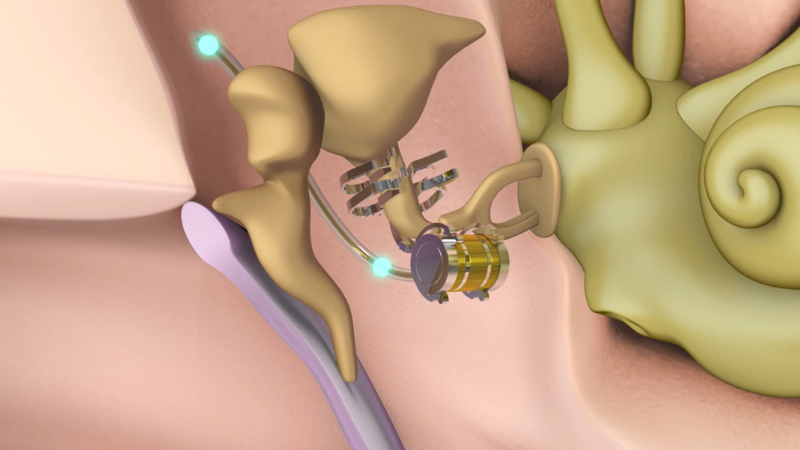
How They Work: Unlike hearing aids that amplify sound, middle ear implants directly engage with the ossicles (malleus, incus, and stapes) or other middle ear structures, converting sound signals into mechanical vibrations that are then transmitted to the inner ear.
Who They Help: These implants are considered for individuals with conductive, mixed, or even mild-to-severe sensorineural hearing loss, especially in cases where conventional hearing aids are uncomfortable to wear or do not provide sufficient benefit.
Key Considerations: Middle ear implants can be classified as active or passive systems, with the specific type recommended based on the individual’s hearing profile and needs. A thorough consultation with a hearing specialist is crucial to determine suitability.
Auditory Brainstem Implants (ABIs)
Auditory brainstem implants represent a highly specialized and less common category of hearing implants, reserved for very specific and rare audiological conditions.
How They Work: Instead of stimulating the cochlea or auditory nerve, ABIs directly stimulate specific regions of the brainstem. This direct neural stimulation bypasses the entire peripheral auditory system, including the cochlea and auditory nerve.
Who They Help: ABIs are typically considered in exceptionally rare situations where the auditory nerve is absent, severely damaged, or cannot be utilized. This might occur in cases of certain brain tumors that necessitate the removal of the auditory nerve, specific congenital abnormalities affecting the inner ear or auditory nerve, or when the cochlea is inaccessible or cannot be effectively stimulated by other implantable devices.
Key Considerations: Due to the complexity and specialized nature of these cases, auditory brainstem implants are only recommended after an exhaustive evaluation by a multidisciplinary team of specialists.
Determining Candidacy for Hearing Implants
The pathway to becoming a candidate for a hearing implant is multifaceted and highly individualized. There isn’t a singular profile that fits all potential recipients. Candidacy is determined by a constellation of factors, primarily revolving around the nature and extent of hearing loss, alongside the specific implant technology being considered.
General Criteria for Consideration:
- Type and Severity of Hearing Loss: As outlined above, different implants address different types of hearing loss.
- Limited Benefit from Hearing Aids: A consistent finding that conventional hearing aids do not provide adequate speech understanding or sound awareness.
- Medical and Anatomical Suitability: The physical condition of the ear and surrounding structures must be conducive to surgery and the functioning of the implant.
- Cognitive and Emotional Readiness: The ability to understand the process, commit to rehabilitation, and manage the expectations associated with implant use.
- Support System: For children and individuals who may require assistance, the presence of a supportive family or caregiver network is important.
Evaluation Process: Healthcare professionals, typically audiologists and Ear, Nose, and Throat (ENT) specialists, conduct a comprehensive evaluation to determine implant candidacy. This process may involve:
- Detailed Audiological Assessments: Including pure-tone audiometry, speech discrimination tests, and immittance audiometry to precisely map the hearing loss.
- Medical Examinations: To assess overall health and the specific condition of the ear.
- Imaging Studies: Such as CT or MRI scans, to visualize the anatomy of the ear and determine the feasibility of surgical implantation.
- Speech and Language Evaluations: To assess communication abilities and potential for improvement.
Beyond these clinical assessments, factors such as age, the individual’s hearing history, communication aspirations, lifestyle, and a willingness to actively participate in post-operative rehabilitation all play a crucial role in guiding treatment recommendations. Ultimately, only qualified audiologists and ENT specialists can definitively determine if a hearing implant is the appropriate solution.
The Surgical Journey: What to Expect During Hearing Implant Surgery
For many types of hearing implants, surgery is a necessary step in the restoration of hearing. The specific surgical procedure will vary depending on the type of implant and the individual’s anatomy. However, the general process typically involves several key stages.
Surgical Procedure Overview:
- Anesthesia: The surgery is usually performed under general anesthesia to ensure patient comfort and immobility.
- Incision and Preparation: A small incision is made, typically behind the ear, to access the necessary structures. The surgical site is meticulously prepared.
- Implant Placement: The internal component of the hearing implant is carefully positioned. For cochlear implants, this involves inserting a delicate electrode array into the cochlea. For bone conduction implants, the device is placed to facilitate vibration transmission through the skull. Middle ear implants are designed to interact with the middle ear structures.
- Closure: Once the internal component is secured, the incision is closed with sutures.
Post-Operative Recovery and Care: Following surgery, patients typically experience a recovery period that can range from a few days to a couple of weeks. During this time, pain management and monitoring for any complications are paramount. The healthcare team will provide detailed instructions regarding wound care, activity restrictions, and follow-up appointments.
Activation and Rehabilitation: The external audio processor is typically fitted and activated several weeks after surgery, once the surgical site has healed. This activation is followed by a crucial phase of fitting and programming, where the device is calibrated to the individual’s hearing needs. Crucially, this is followed by auditory rehabilitation, a process of therapy and practice designed to help the user learn to interpret the new auditory input and develop improved communication skills. This rehabilitation phase is a long-term commitment that significantly influences the overall success and benefits derived from the implant.
The Transformative Benefits of Hearing Implants
The advantages conferred by hearing implants can be profound, significantly enhancing an individual’s quality of life. The extent of these benefits is influenced by a variety of factors, including the type of implant used, the individual’s prior hearing experiences, their dedication to rehabilitation, and their personal communication objectives.
Potential Benefits:
- Improved Speech Understanding: Many individuals experience a marked improvement in their ability to understand spoken language, even in challenging listening environments. This can lead to more meaningful conversations and reduced communication frustration.
- Enhanced Awareness of Environmental Sounds: Implants can help individuals detect and identify a wider range of everyday sounds, from doorbells and telephones to alarms and the sounds of nature, increasing safety and immersion in their surroundings.
- Improved Communication: The ability to engage more effectively in conversations can lead to stronger social connections, greater participation in community activities, and a reduced sense of isolation.
- Restored Sense of Hearing: For those who have experienced significant hearing loss, the return of auditory perception can be deeply moving and life-affirming.
- Support for Auditory Development in Children: For children with hearing loss, early implantation can be critical for developing speech, language, and cognitive skills, setting them on a path for successful educational and social integration.
A primary goal for many implant users is to navigate complex listening environments, such as bustling restaurants, classrooms, workplaces, or family gatherings, with greater ease. The ability to understand speech in noisy settings remains one of the most significant challenges for individuals with hearing loss. Success in these situations is a complex interplay of factors, including the sophistication of the sound processing technology, the directionality of microphones, the precision of the device fitting, the effectiveness of rehabilitation, and whether one or both ears are supported by an implant. MED-EL’s focus on "natural sound quality" integrates technologies like automatic sound management, advanced microphone directionality, and noise reduction features, all aimed at supporting optimal listening across a dynamic range of sound environments.
Navigating the Choice: Selecting the Right Hearing Implant
The selection of the most appropriate hearing implant type is a collaborative decision between the patient and their hearing healthcare team. This decision is guided by a holistic consideration of the individual’s unique circumstances.
Key Factors in Decision-Making:

- Type and Severity of Hearing Loss: This is the primary determinant, as different implants are designed for different pathologies.
- Cause of Hearing Loss: Understanding the underlying cause can inform the choice of technology.
- Speech Understanding Scores: Objective measures of how well an individual understands speech with and without amplification.
- Anatomical Considerations: The physical structure of the ear and auditory pathways.
- Previous Hearing Aid Use and Results: What has worked or not worked in the past.
- Communication Goals and Lifestyle: What the individual hopes to achieve with improved hearing.
- Overall Health and Suitability for Surgery: General medical fitness for the procedure.
Informed Questions to Ask Your Specialist:
- What are the risks and benefits of each recommended implant option?
- What is the expected outcome in terms of speech understanding and environmental sound awareness?
- What is the typical rehabilitation process, and what commitment is required?
- What are the long-term maintenance and potential future upgrade pathways for the device?
- How will this implant impact my ability to participate in specific activities, such as sports or MRI scans?
Engaging in open dialogue with an audiologist or ENT specialist, coupled with a thorough understanding of the available hearing solutions, empowers individuals to make a well-informed decision tailored to their specific needs and aspirations.
Key Takeaways: Understanding Hearing Implant Options
The landscape of hearing implants is diverse, with each type specifically engineered to address distinct forms of hearing loss. The four primary categories include:
- Cochlear Implants (CIs): For severe to profound sensorineural hearing loss.
- Bone Conduction Implants: For conductive, mixed hearing loss, or single-sided deafness.
- Middle Ear Implants: For selected cases of conductive, mixed, or sensorineural hearing loss.
- Auditory Brainstem Implants (ABIs): For rare cases where the auditory nerve is non-functional.
The selection of the most suitable option is contingent upon a comprehensive assessment of the individual’s hearing loss profile, the results of audiological tests, and the expert evaluation by a specialist. Many hearing implant procedures involve surgery, followed by essential activation, fitting, and ongoing rehabilitation phases to maximize auditory benefit.
Frequently Asked Questions About Hearing Implants
Are hearing implants permanent?
Yes, the internal component of a hearing implant is designed for long-term use, often remaining in place for many years. The external sound processor, however, is removable and can be upgraded or replaced as technology advances.
Can children receive hearing implants?
Absolutely. Many children with severe hearing loss are excellent candidates for hearing implants. Early implantation can significantly support speech, language, and communication development, laying a strong foundation for future success. Eligibility is determined by a thorough medical evaluation and hearing tests.

Do hearing implants restore normal hearing?
No, hearing implants do not restore natural hearing to its original state. Instead, they provide access to sound by employing various methods to stimulate the auditory system. While they do not replicate normal hearing, they enable many individuals to understand speech and communicate more effectively. Individual outcomes vary based on factors such as hearing history and engagement in rehabilitation.
How long does hearing implant surgery take?
Most hearing implant surgeries typically range from one to three hours, depending on the specific implant type and the complexity of the individual procedure. Surgery is generally performed under general anesthesia, and many patients are able to return home the same day or after a brief hospital stay.
Can you have an MRI with a hearing implant?
Yes, many modern hearing implants are designed to be MRI compatible under specific conditions. MRI safety depends on the particular implant model and the magnetic field strength of the MRI scanner. It is crucial to always inform your healthcare provider and the imaging team about your implant before undergoing an MRI.
Conclusion and Next Steps
Hearing implants represent a significant advancement in audiological care, offering renewed hope and improved communication for individuals facing profound hearing loss. The journey from initial consultation to successful implant use is a collaborative effort involving dedicated healthcare professionals and a committed patient. If you suspect you might benefit from a hearing implant, the crucial next step is to consult with your local MED-EL team. They can guide you through understanding which hearing solution aligns best with your unique needs and aspirations, potentially opening the door to a world of enhanced auditory experience.
Disclaimer: The content provided in this article is for general informational purposes only and does not constitute medical advice. It is essential to consult with a qualified healthcare professional, such as an audiologist or ENT specialist, to determine the most appropriate hearing solution for your individual needs.