Historical Context and Policy Origins
The Zero Tolerance Policy has served as a foundational element of the NAD’s governance during biennial national conferences for several cycles. The primary intent of the mandate was to provide a robust legal and procedural framework for addressing instances of discrimination, harassment, bullying, and systemic abuse. In the context of large-scale organizational events, such policies are standard practice to ensure that all participants—regardless of background—are protected from behavior that threatens the safety and dignity of the collective.
However, the term "zero tolerance" has increasingly become a subject of sociological debate. Originally popularized in the 1980s and 1990s within the United States school systems and criminal justice sectors, the phrase is frequently criticized by civil rights advocates for its association with punitive, non-discretionary disciplinary models. Critics argue that such models often result in disproportionate impacts on marginalized communities and fail to account for the nuances of conflict resolution. By applying this terminology to an organization that centers its values on empowerment and accessibility, the NAD leadership has recognized a potential dissonance between the policy’s protective intent and the historical baggage of its title.
Chronology of Events and Community Engagement
The discourse leading up to the July 10 announcement began to intensify during the most recent series of regional meetings and digital forums. Community members expressed concerns that the rigidity implied by the phrase "zero tolerance" was incongruent with the principles of restorative justice and community accountability that many members advocate for within the deaf community.
- Pre-2026: The policy remains in effect as a standard protective measure for all NAD-authorized activities.
- Early 2026: Informal feedback channels and social media discussions begin to highlight concerns regarding the policy’s language.
- Late June 2026: The NAD Board of Directors formally adds the discussion of policy language to its executive agenda following a surge in member correspondence.
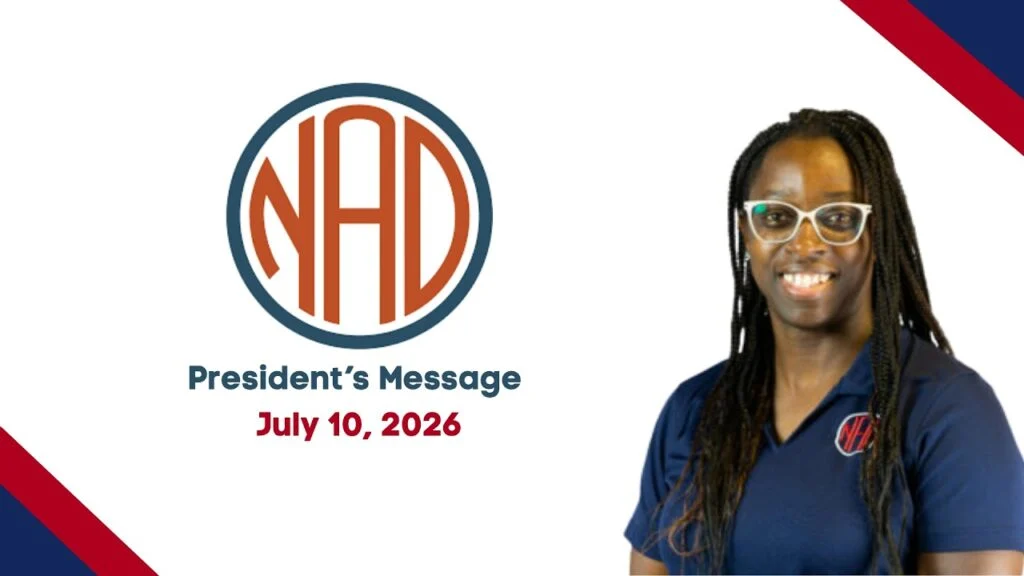
- July 10, 2026: NAD President Stephanie Hakulin releases a video statement and official correspondence acknowledging the feedback and committing to a formal review process.
The feedback provided by the community has been described by the Board as "thoughtful and comprehensive," reflecting a desire for language that emphasizes shared values such as respect, belonging, and constructive accountability rather than purely exclusionary or punitive measures.
Analysis of Policy Implications
The NAD’s decision to review its policy is reflective of a broader trend among non-profit and civil rights organizations: the shift from punitive frameworks toward restorative, trauma-informed governance. A policy that is purely "zero tolerance" often functions on a binary: an action is either permitted or strictly prohibited, with a pre-defined consequence. In contrast, a restorative approach prioritizes understanding the impact of actions and seeking resolutions that heal the harm done to the community.
From a governance standpoint, the challenge for the NAD is to maintain a high standard of safety while transitioning away from language that may alienate members. If the Board chooses to replace the title, they must ensure that the underlying legal protections—which prevent harassment and abuse—are not weakened. Effective organizational policies must balance the need for clear boundaries with the flexibility required to navigate complex interpersonal issues within a diverse community. The NAD’s commitment to keeping the current policy in place during the review process indicates an awareness of the necessity of continued, uninterrupted protection for its participants.
Data and Stakeholder Perspectives
While specific metrics regarding the number of incidents managed under the current policy are generally handled with strict confidentiality, the organization’s pivot highlights a sensitivity to the psychological climate of its membership. Organizations of similar scope, such as the American Civil Liberties Union (ACLU) or various national advocacy groups, have also undergone similar linguistic audits in recent years to ensure their mission statements and internal codes of conduct remain aligned with evolving social consciousness.
Internal data from the NAD’s previous conferences suggests that while the policy has been effective at providing a clear pathway for reporting misconduct, the perception of the policy’s fairness is just as vital as its actual utility. If a significant portion of the membership perceives the policy as inherently punitive, the organization risks a decrease in trust, which could stifle open communication and reporting. By opening the policy to review, the Board is attempting to bridge this trust gap.
Official Statements and Future Outlook
In her official address, President Stephanie Hakulin emphasized that the organization is not operating under any predetermined outcomes. "We recognize that good intentions do not replace the need to understand how the language is interpreted and experienced by our community," Hakulin stated. The Board’s primary objective during this phase is to engage in a listening tour, gathering feedback from various stakeholders to determine if a rebranding of the policy—or a total restructuring of its language—is warranted.
The Board has signaled that it will consider alternative titles that better reflect values like "accountability," "safety," "respect," and "inclusion." This shift aligns with contemporary human resources and organizational development trends that favor "Code of Conduct" or "Community Values" frameworks over "Zero Tolerance" models.
Broader Impact on the Deaf Community
The National Association of the Deaf serves as the national representative for the millions of deaf and hard of hearing citizens in the United States. As such, its internal policies often serve as a blueprint for smaller, state-level organizations and advocacy groups. By publicly addressing the nuances of its policy, the NAD is setting a precedent for transparent governance.
This process is expected to take several months, as the Board must balance the feedback from its diverse constituency with the advice of legal counsel to ensure that any revisions remain compliant with existing laws regarding harassment and discrimination in the workplace and at public events.
The NAD has pledged to maintain open lines of communication throughout this process. Members are encouraged to continue participating in this dialogue, as the organization seeks to evolve its framework to reflect the values of the community it serves. The goal remains clear: to foster an environment where every individual, regardless of their background or identity, feels empowered to participate in the NAD’s mission of deaf advocacy without fear of systemic harm or exclusionary practices.
As the review progresses, the NAD will continue to operate under its current established procedures, ensuring that existing protections are not compromised during the transition. For the thousands of members who participate in biennial conferences and local programming, this period of review represents a significant opportunity to redefine the standards of conduct for one of the nation’s most important advocacy institutions. The outcome of this review will likely serve as a benchmark for how similar organizations can successfully navigate the tension between necessary institutional protections and the evolving values of their memberships.