Contextualizing the Leadership Transition
The search for a new CEO follows a period of organizational introspection for the NAD, an institution that has historically served as the primary legislative and social representative for the American deaf community since its founding in 1880. Leadership transitions within national advocacy organizations of this scale are rarely merely administrative; they often signal a pivot in policy priorities, fundraising strategies, and community engagement models.
For the NAD, the current transition is particularly notable for its heavy reliance on a community-driven methodology. Unlike traditional corporate executive searches that often rely on opaque board decisions, the NAD Board of Directors opted for an inclusive framework. This approach involved extensive survey data and a series of focus groups aimed at synthesizing the collective priorities of the organization’s membership. By integrating these voices into the official prospectus, the Board sought to ensure that the eventual candidate possesses not only the requisite management acumen but also an authentic understanding of the cultural and linguistic nuances of the American Sign Language (ASL) community.
The Chronology of the Search Process
The current search began in late 2023 following the NAD Board’s determination to initiate a leadership refresh. The chronology of the process reflects a phased approach designed to maximize applicant diversity and transparency:
- Strategic Planning Phase (Fall 2023): The Board of Directors engaged Innivee Strategies, a firm specializing in leadership development for deaf and hard-of-hearing organizations. During this period, the Board identified the core competencies required for the next CEO, focusing on institutional growth, digital accessibility, and federal advocacy.
- Community Consultation (December 2023 – January 2024): The organization launched a series of town halls and digital surveys. Data collected during this period indicated a strong demand for a leader with both professional administrative experience and deep roots in the deaf community.
- Formal Prospectus Launch (February 2024): The official search was opened to the public, with a detailed prospectus outlining the expectations for the position, ranging from fiscal oversight to long-term legislative lobbying.
- The Deadline (March 2, 2024): The final cutoff for candidate submissions, marking the end of the initial recruitment window and the commencement of the vetting and interview cycle.
Data-Driven Advocacy and Organizational Needs
The NAD operates within a complex ecosystem of federal funding, private grants, and grassroots donations. The financial health of the organization is tied directly to its ability to influence policy—specifically in areas like education, accessibility, and communication technology. According to recent organizational reports, the NAD’s influence has expanded significantly over the last decade, particularly regarding the implementation of the Americans with Disabilities Act (ADA) in the digital age.
The new CEO will be expected to manage a budget that sustains national advocacy campaigns while navigating the evolving landscape of communication technology. Data from the Bureau of Labor Statistics and independent disability policy think tanks suggest that the deaf population in the U.S. continues to face significant employment and educational disparities. The NAD CEO will be responsible for addressing these systemic gaps, requiring a candidate who can articulate clear, data-backed policy recommendations to congressional leaders and regulatory bodies.
Perspectives on the Selection Process
While the identity of the applicants remains confidential, the requirements outlined by the Board provide insight into the organization’s current priorities. Industry experts in non-profit leadership note that the move toward a "community-shaped" prospectus is a strategic effort to mitigate the risks of organizational misalignment.
"The success of a mission-driven organization like the NAD rests on the leader’s ability to mirror the community’s evolving needs," said an analyst familiar with disability advocacy structures. "By formally incorporating survey results into the job description, the Board is essentially creating a contract of accountability before the candidate is even hired."
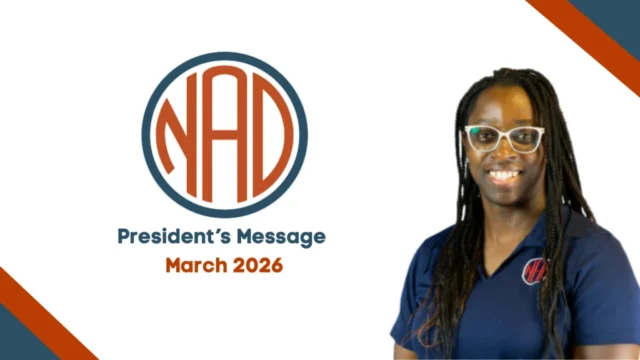
Stephanie Hakulin, President of the NAD, emphasized in a recent video communication that the search is "grounded in community trust." This statement is widely interpreted as a response to previous internal critiques within similar advocacy organizations regarding a perceived disconnect between executive leadership and the grassroots membership. By emphasizing openness, the NAD is attempting to solidify its legitimacy as a representative body, ensuring that the incoming CEO starts their tenure with the backing of the constituency they serve.
The Implications of the Upcoming Selection
The appointment of a new CEO will have lasting implications for the NAD’s legislative agenda. In the coming years, the organization faces several high-priority challenges, including:
- Technological Equity: Ensuring that emerging technologies, such as Artificial Intelligence and automated captioning, are designed with the accessibility needs of deaf and hard-of-hearing individuals at the forefront.
- Educational Reform: Continuing the fight for language-rich environments for deaf children, a long-standing core mission of the NAD.
- Sustainability: Navigating the fluctuating landscape of non-profit funding to ensure that the NAD remains a viable force for change in an increasingly competitive philanthropic environment.
The search process, while nearing its deadline, represents only the first step in a larger transition. Following the March 2 deadline, the search committee—composed of board members and potentially external advisors—will undergo a rigorous vetting process. This will include multi-round interviews, background vetting, and final assessments by the Board of Directors.
Broader Impact on the Deaf Community
The NAD acts as a barometer for the state of deaf civil rights in the United States. As such, the selection of its leadership is a matter of interest far beyond its immediate membership. Governmental agencies, corporate partners, and fellow civil rights organizations will be observing the transition to determine how the NAD will position itself in the next decade.
If the organization maintains its trajectory of community-centered leadership, the transition could serve as a model for other non-profits in the disability space. Conversely, the high stakes of the role mean that any perceived failures in the selection process could lead to internal friction or a loss of organizational momentum.
As the clock ticks toward the March 2 deadline, the pressure on potential candidates to present a vision that aligns with the organization’s historical mandate while addressing future challenges is high. For those involved in the search, the objective remains clear: to secure a leader who is capable of navigating the halls of power in Washington, D.C., while remaining intimately connected to the community that the National Association of the Deaf was built to protect and empower.
Looking Ahead
As the NAD moves beyond the application phase, the focus will shift to the interview and evaluation stage. The organization has committed to keeping its membership updated on the progress of the search, reinforcing the theme of transparency. For the deaf community, the upcoming months will be a period of anticipation as the Board of Directors works to identify the individual best suited to steer the organization through its next chapter.
The prospectus, still available for review, serves as a testament to the organization’s priorities, highlighting a need for a leader who possesses the "vision to lead" and the "humility to listen." Whether the eventual selection will be an established figure within the advocacy space or a transformative leader from a different sector remains to be seen. However, given the inclusive nature of the search, the process itself has already reinforced the NAD’s standing as an organization that values its members’ voices as much as its formal strategic objectives.
For those interested in the full scope of the organization’s requirements and the ongoing developments of this search, the NAD continues to provide updates via its official website. The conclusion of this search will not only mark the beginning of a new leadership tenure but will also set the tone for the advocacy efforts that will shape the lives of millions of deaf and hard-of-hearing Americans in the years to come.