The necessity for such awareness is underpinned by the physiology of the human ear and the physics of sound. Live music environments often exceed 100 decibels (dB), a level at which hearing damage can occur in as little as 15 minutes of unprotected exposure. Tinnitus UK, in collaboration with various music industry stakeholders, has launched a sustained initiative to educate fans on the risks of noise-induced hearing loss (NIHL) and the development of tinnitus—a condition characterized by the perception of internal ringing, buzzing, or hissing without an external source.
The Evolution of Hearing Health Awareness at Major Festivals
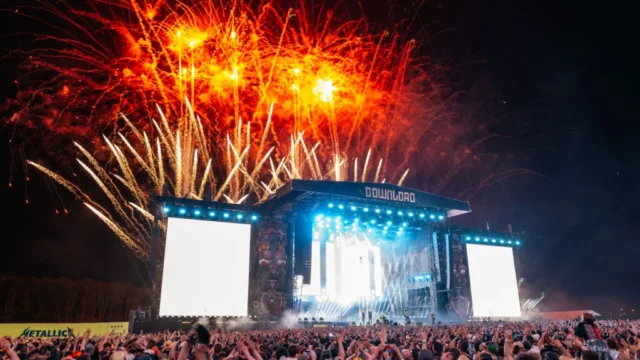
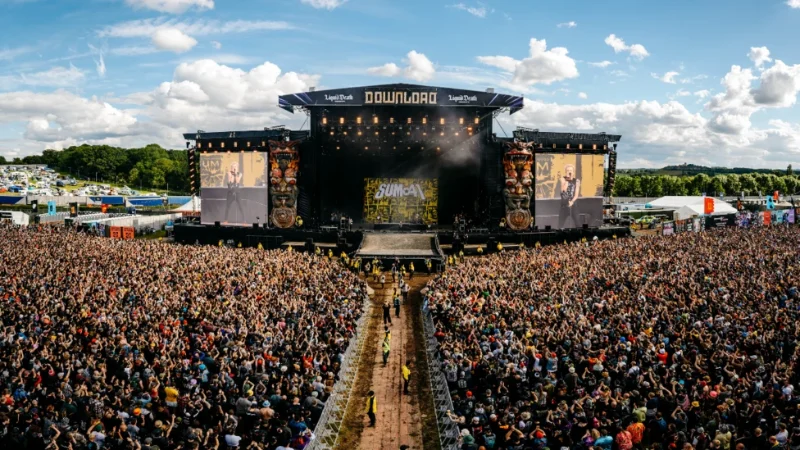
The integration of hearing health advocacy into major music festivals marks a significant shift in industry standards. A primary example of this evolution is the partnership between Tinnitus UK and Download Festival for 2026. This collaboration represents a strategic effort to embed public health messaging directly into the event experience, rather than treating it as an afterthought.
Historically, the music industry has struggled with the tension between high-fidelity sound delivery and the physical safety of the audience. In the past, earplugs were often associated with a muffled, degraded audio experience. However, recent advancements in acoustic engineering have resulted in high-fidelity earplugs that reduce decibel levels across all frequencies equally, preserving the clarity of the music while significantly mitigating the risk of damage. By aligning with a major rock and metal event like Download, which features notoriously high-volume performances, Tinnitus UK aims to normalize the use of such protective equipment among a demographic that historically may have viewed it as unnecessary.
Data-Driven Perspectives on Auditory Risk
To understand the scope of the issue, one must look at the data regarding noise exposure. According to the World Health Organization (WHO), over 1 billion young people are at risk of permanent hearing loss due to unsafe listening practices. In the United Kingdom alone, millions of individuals live with tinnitus, with a substantial portion of these cases linked to occupational or recreational noise exposure.
The threshold for safe sound is generally established at 85 decibels for an eight-hour duration. Because decibels are measured on a logarithmic scale, every three-decibel increase represents a doubling of sound intensity. Consequently, a concert at 105 decibels is significantly more than twice as intense as a 100-decibel environment. The duration of exposure is the critical variable; the "dose" of sound received over a three-day festival weekend can be cumulative, leading to temporary threshold shifts—the ringing ears experienced after a show—which, if repeated, can evolve into permanent damage.
Chronology of the Advocacy Movement
The movement to protect hearing in the arts has developed in several distinct phases:
- Early 2000s: Awareness begins to grow among professional musicians who start speaking publicly about their own struggles with tinnitus and hearing loss, effectively destigmatizing the issue within the industry.
- 2010–2015: The rise of high-fidelity, non-linear earplugs changes the market, making it possible for fans to protect their hearing without sacrificing the quality of the performance.
- 2020–2025: Increased focus on public health initiatives following a post-pandemic surge in live event attendance. Organizations shift from reactive support to proactive education.
- 2026 and Beyond: Partnerships with massive, multi-day festivals signal a move toward industry-wide adoption of "hearing safety" as a standard component of venue management and event operations.
Professional Perspectives and Industry Responsibility
The consensus among audiologists and sound engineers is that the preservation of hearing is essential for the continued viability of the music industry. If fans lose the ability to appreciate the nuances of live performance, the entire ecosystem of the industry suffers.
Representatives from Tinnitus UK note that the primary goal is not to discourage attendance but to facilitate a more sustainable engagement with music. "Live music should be enjoyed for life," a spokesperson for the organization recently stated, highlighting that the objective is to create a culture where wearing earplugs is viewed with the same social acceptability as wearing sunglasses on a bright day.
Furthermore, event organizers are beginning to recognize their role in this dynamic. By providing "quiet zones" or lower-volume areas within festival grounds, organizers can provide respite for attendees. This is a critical development, as the ability to step away from the primary sound source is one of the most effective ways to manage the cumulative sound dose throughout a long day.
Practical Strategies for the Modern Concert-Goer
For those attending festivals this summer, experts recommend a four-pillar approach to hearing preservation:
- Utilization of High-Fidelity Protection: Modern earplugs utilize specialized filters to dampen volume without muffling the high-end frequencies. These are a non-negotiable accessory for frequent gig-goers.
- Strategic Positioning: Awareness of one’s proximity to speaker stacks is vital. If a person finds themselves in a position where they must shout to be heard by someone standing directly beside them, they are in a high-risk environment. Relocating to a position further back or off-axis from the speakers can drastically reduce the decibel load.
- Interval Breaks: The ears require recovery time. Stepping away from the main stage for 10 to 15 minutes every hour allows the hair cells in the inner ear to stabilize, significantly reducing the likelihood of immediate post-show fatigue or ringing.
- Safeguarding Younger Fans: Children and adolescents are particularly susceptible to noise-induced damage because their ears are still developing. High-quality ear defenders are essential for younger demographics, ensuring that their lifelong relationship with music is not compromised by a single early experience.
Addressing the Reality of Tinnitus
For those already navigating the challenges of tinnitus, the festival experience can feel daunting. However, it is essential to emphasize that having tinnitus does not mean the end of one’s ability to enjoy live music. Millions of individuals in the UK manage this condition while remaining active participants in the music scene.
Tinnitus UK serves as a vital resource for this community, offering a repository of evidence-based information, peer support groups, and a confidential helpline. For those recently diagnosed or concerned about new symptoms, these resources provide a pathway to understanding the condition and implementing management strategies. Whether through cognitive behavioral approaches or simply learning how to monitor sound levels effectively, support is readily available for those who seek it.
The Broader Implications for Live Music
The ongoing dialogue regarding hearing health represents a maturing of the music industry. As festivals continue to grow in scale and technical complexity, the responsibility of the event host to safeguard the health of the audience increases proportionally. This is not merely a matter of health policy; it is a matter of market sustainability.
As we look toward the remainder of the 2026 season, the collaboration between advocacy groups and major festival organizers is expected to serve as a blueprint for future events. By integrating these practices into the festival experience, the industry is demonstrating that it values the long-term well-being of its patrons. Through small, informed adjustments—wearing protection, taking breaks, and choosing one’s location wisely—music fans can ensure that the summer of 2026 is the start of many decades of high-quality, safe, and memorable live music experiences.
For those seeking further information on how to manage their hearing health or to access support for tinnitus, the resources provided by Tinnitus UK offer a comprehensive starting point. Protecting one’s hearing today is the only way to guarantee that the music of tomorrow remains as vibrant and impactful as it is today.