
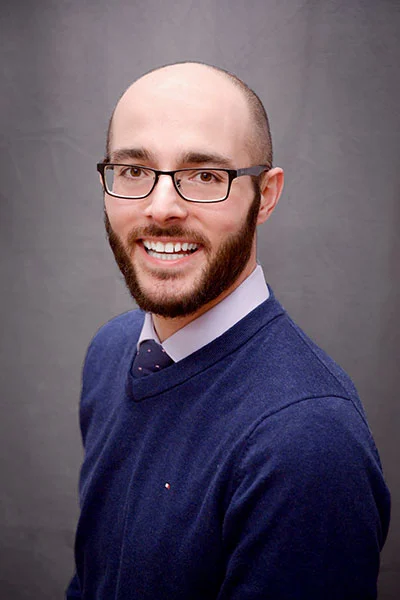
As a Board-Certified Neurologic Clinical Specialist (NCS), Dr. McPherson brings a wealth of specialized knowledge to the VR SIG. The organization serves as a critical nexus for physical therapists, occupational therapists, and other healthcare professionals who specialize in treating balance and dizziness disorders. Under his leadership, the VR SIG is expected to enhance its mission of fostering professional collaboration, disseminating evidence-based resources, and advocating for the advancement of vestibular rehabilitation as a core component of neurologic care.
The Evolving Landscape of Vestibular Rehabilitation
Vestibular rehabilitation is a specialized form of physical therapy designed to alleviate both primary and secondary problems caused by vestibular disorders. It is an exercise-based program primarily aimed at reducing vertigo and dizziness, gaze instability, and/or imbalance and falls. According to data from the National Institute on Deafness and Other Communication Disorders (NIDCD), approximately 69 million Americans aged 40 and older have experienced some form of vestibular dysfunction. The prevalence of these conditions increases significantly with age, making the work of the VR SIG vital to public health.
The appointment of Dr. McPherson is strategically aligned with the current needs of the healthcare sector. Vestibular issues are often underdiagnosed or mismanaged, leading to prolonged disability and increased healthcare costs. By leading the VR SIG, Dr. McPherson will oversee the development of clinical practice guidelines and educational initiatives that empower therapists to provide more accurate diagnoses and more effective interventions. This leadership is essential for maintaining the high standards of care required to treat complex conditions such as Benign Paroxysmal Positional Vertigo (BPPV), labyrinthitis, vestibular neuritis, and Meniere’s disease.
Profile of Leadership: Jake McPherson’s Academic and Clinical Contributions
Dr. Jake McPherson’s professional background is rooted in both academia and clinical excellence. Currently serving as a Clinical Associate Professor at the University at Buffalo (UB), he plays a pivotal role in shaping the next generation of physical therapists. His work at UB involves a comprehensive integration of teaching, clinical education, and professional development. By maintaining a presence in the classroom and the clinic, Dr. McPherson ensures that his leadership of the VR SIG remains grounded in the practical challenges faced by today’s healthcare providers.
In addition to his teaching duties, Dr. McPherson is a recognized expert in interdisciplinary collaboration. He has consistently advocated for a "team-based" approach to vestibular care, working alongside specialists in neurology, otolaryngology (ENT), primary care, and sports medicine. This collaborative philosophy is a cornerstone of modern vestibular management, as patients often require input from multiple disciplines to achieve optimal outcomes. Dr. McPherson’s ability to navigate these various medical silos is expected to be a major asset to the ANPT as it seeks to expand its influence across the broader medical community.
The Intersection of Research and Practice: Concussion and Vestibular Health
One of the most critical areas of Dr. McPherson’s expertise is the relationship between concussions and vestibular function. As a member of the University at Buffalo’s Comprehensive Concussion Management and Research Center, he has contributed to a growing body of evidence regarding how traumatic brain injuries (TBI) affect the vestibular and oculomotor systems. Research indicates that up to 80% of individuals who suffer a concussion experience some form of vestibular symptoms, such as dizziness or blurred vision.
Dr. McPherson’s research interests focus on identifying the specific mechanisms of these impairments and developing targeted rehabilitation protocols to facilitate recovery. His leadership within the VR SIG will likely bring a renewed focus to concussion-related vestibular therapy, an area of high demand in both professional sports and military medicine. By highlighting the importance of vestibular screening in the wake of head injuries, Dr. McPherson and the VR SIG aim to reduce the incidence of chronic symptoms and improve return-to-play or return-to-work timelines for patients.
Strengthening the VeDA and VR SIG Collaborative Framework
The partnership between VeDA and the VR SIG represents a powerful alliance between patient advocacy and professional expertise. VeDA has long served as a primary resource for patients seeking information and support, while the VR SIG provides the clinical backbone necessary to deliver high-quality care. This collaboration is essential for raising public awareness about vestibular disorders, which are often "invisible" illnesses that can lead to social isolation and psychological distress.
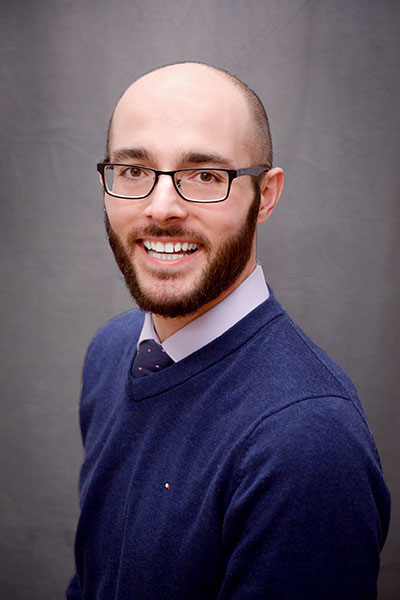
As Chair, Dr. McPherson is committed to expanding the resources available to the professional community. These include:
- The Abstract of the Week: A weekly update that provides clinicians with the latest peer-reviewed research, ensuring that practice remains evidence-based.
- Patient Education Fact Sheets: Standardized, easy-to-understand documents that help clinicians explain complex conditions to their patients.
- Topics in Vestibular Therapy: A peer-edited newsletter that explores emerging trends, case studies, and clinical pearls in the field.
- Quarterly Networking Sessions: Online forums that allow clinicians from different geographic regions and practice settings to share insights and troubleshoot difficult cases.
These initiatives are designed to foster a sense of community among vestibular specialists, who may often be the only practitioners in their local area with this specific expertise.
The Academy of Neurologic Physical Therapy: A Multi-Disciplinary Hub
The VR SIG is one of eight specialized groups within the Academy of Neurologic Physical Therapy, a professional membership community dedicated to optimizing movement and wellbeing for individuals impacted by neurologic conditions. The ANPT’s structure reflects the diversity of neurologic practice, with other SIGs focused on:
- Assistive Technology/Seating & Wheeled Mobility
- Balance and Falls
- Brain Injury
- Degenerative Diseases (such as Parkinson’s and Multiple Sclerosis)
- Spinal Cord Injury
- Stroke
- Residency & Fellowship
The integration of the VR SIG within this broader academy allows for significant cross-pollination of ideas. For example, balance and falls are inherently linked to vestibular health, and many stroke survivors suffer from vestibular-related impairments. Dr. McPherson’s role involves ensuring that the VR SIG contributes effectively to this multi-disciplinary environment, providing specialized insights that benefit all facets of neurologic physical therapy.
Looking Ahead to the 2026 ANPT Annual Conference in Minneapolis
A major focal point for the VR SIG under Dr. McPherson’s leadership will be the 2026 ANPT Annual Conference. Scheduled for September 17-19, 2026, in Minneapolis, Minnesota, the conference serves as the premier event for neurologic physical therapy professionals. VeDA has already confirmed its support as a conference sponsor, underscoring the enduring nature of the partnership between the two organizations.
The 2026 conference is expected to feature a robust slate of vestibular-specific programming, including workshops on advanced diagnostic techniques, symposia on the latest concussion research, and networking events for VR SIG members. This event provides a critical platform for Dr. McPherson to present the SIG’s strategic goals and to engage with the membership on the future direction of the specialty. It also offers an opportunity for clinicians to earn continuing education credits and stay current with the rapidly advancing technologies in the field, such as virtual reality-based rehabilitation and wearable balance sensors.
Broader Impact and Implications for Patient Care
The leadership of Dr. Jake McPherson arrives at a juncture where the demand for specialized vestibular care is at an all-time high. The implications of his appointment extend beyond the administrative functions of the VR SIG; they signal a commitment to elevating the status of vestibular rehabilitation within the healthcare hierarchy. By championing education and research, Dr. McPherson is helping to ensure that "dizziness" is no longer treated as a vague or untreatable symptom, but as a manageable condition with clear clinical pathways.
Furthermore, the focus on interdisciplinary care promoted by Dr. McPherson is likely to influence how healthcare systems approach balance disorders. As primary care physicians and emergency room staff become more aware of the resources provided by the VR SIG and VeDA, the pathway from initial symptom onset to specialized physical therapy is expected to become more streamlined. This reduction in the "diagnostic odyssey"—the long and often frustrating journey many vestibular patients face before finding relief—is perhaps the most significant potential outcome of this leadership transition.
In conclusion, the appointment of Jake McPherson, PT, DPT, NCS, as Chair of the VR SIG is a testament to his dedication to the field of neurologic physical therapy. Through his work at the University at Buffalo, his research into concussions, and his new leadership role, Dr. McPherson is poised to make lasting contributions to the science and practice of vestibular rehabilitation. The ongoing collaboration between VeDA and the ANPT, reinforced by this new leadership, promises to provide a brighter future for the millions of individuals worldwide living with vestibular and balance disorders.