
The Decibel Landscape: Understanding Acoustic Risk
The human auditory system is remarkably resilient but remains vulnerable to sustained exposure to elevated sound pressure levels. According to guidelines established by the World Health Organization (WHO) and various audiological health bodies, sound levels below 80 decibels (dB) are generally considered safe for indefinite exposure. However, the intensity of sound at major sporting events frequently exceeds these thresholds by a significant margin.
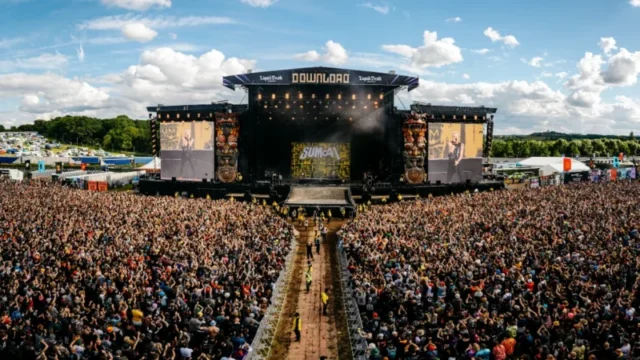
Data consistently shows that the average noise level within a stadium during a high-stakes football match hovers around 110 dB. At this intensity, the permissible exposure time before permanent physiological damage begins is calculated at less than two minutes. A crowded, high-energy pub environment—often characterized by reflective surfaces, shouting, and amplified broadcast audio—typically registers at approximately 106 dB, limiting safe exposure to less than four minutes.
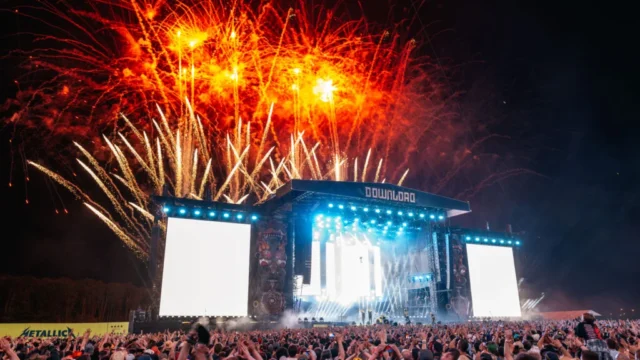
The phenomenon of the "wall of sound" created by thousands of spectators is not merely a nuisance; it is a clinical hazard. When a stadium erupts in unison—whether in protest of a referee’s decision or celebration of a goal—the sudden spike in decibels can trigger acoustic trauma. For individuals already managing existing auditory conditions such as tinnitus, this environment can exacerbate symptoms, leading to temporary threshold shifts or, in extreme cases, permanent exacerbation of hearing impairment.
Chronology of Tournament Exposure
The World Cup is not a single-day event; it is a sustained six-week endurance test for both players and fans. The cumulative impact of noise exposure is an additive process. A fan attending multiple matches, or frequenting local viewing hubs for every game involving their national side, faces a compounded risk profile.
- Week 1-2 (Group Stages): High-frequency engagement as fans navigate multiple matches. Initial exposure to stadium noise or sustained high-volume environments in public houses.
- Week 3-4 (Knockout Phases): As the stakes rise, so does the crowd intensity. Research into crowd psychology suggests that the volume of human vocalization increases proportionally with the tension of the match, leading to higher peak decibel readings.
- Week 5-6 (Semi-Finals and Final): The culmination of the tournament represents the highest risk period. The emotional investment of the spectators often leads to prolonged shouting and cheering, further extending the duration of exposure to harmful noise levels.
Analysis of Auditory Health Implications
The biological mechanism behind noise-induced hearing loss (NIHL) is rooted in the damage to the hair cells of the cochlea. These microscopic sensory receptors do not regenerate. When exposed to excessive sound pressure, these cells can become overstimulated and eventually die.
From a public health perspective, the implications are broad. The "whistling" or ringing sensation often experienced after leaving a loud stadium—a symptom known as tinnitus—is a warning signal from the inner ear. While often temporary, repeated exposure to the levels recorded at global sporting events can lead to chronic, permanent tinnitus. Furthermore, the reliance on high-volume environments to facilitate social interaction at pubs often forces individuals to engage in "the cocktail party effect," where they must raise their own voices to be heard, thereby contributing to the ambient noise level and creating a feedback loop of increasing volume.

Mitigation Strategies: A Professional Framework
To maintain public health while preserving the cultural tradition of football, health experts advocate for a multi-layered approach to auditory protection. This is not a call for total avoidance, but rather for the adoption of preventative measures that allow for participation without pathology.
Acoustic Management in Social Settings
When viewing matches in hospitality venues, individuals should prioritize spatial awareness. Proximity to audio speakers is a primary risk factor; moving even a few meters away from a primary sound source can result in a significant drop in decibel reception due to the inverse square law. In domestic settings, hosting small gatherings allows for control over the acoustic environment. Reducing the gain on televisions and ensuring that the room is not overly reverberant—by utilizing soft furnishings—can mitigate the need for guests to shout over one another.
Technological and Physical Protection
The use of high-fidelity earplugs represents the most effective intervention for spectators. Unlike traditional foam plugs that may muffle sound and reduce clarity, modern high-fidelity devices are engineered to reduce the overall decibel level while maintaining the frequency response of the audio. This ensures that fans can hear the game commentary and maintain conversations while remaining within the safety envelope for long-term hearing health.
Official Responses and Advocacy
Health organizations, including Tinnitus UK, have increasingly utilized the World Cup as a platform to disseminate information regarding auditory hygiene. By engaging with sports broadcasters and influencers, these organizations aim to normalize the use of hearing protection in the same way that sunglasses are used for eye protection in the sun.

"We want the fans to enjoy the tournament, but we want them to do so with their hearing intact," notes a representative from an auditory health charity. "The goal is to move the conversation from ‘avoiding noise’ to ‘managing exposure.’ Whether it is utilizing a quieter area during half-time or investing in protective equipment, small adjustments yield significant long-term health benefits."
Broader Impact and Future Outlook
The intersection of sports entertainment and hearing health is becoming a more prominent topic of public policy. As stadium design evolves, there is potential for "quiet zones" or integrated acoustic buffering, though such measures are currently in their infancy. The broader impact of this awareness campaign is a shifting cultural perception of hearing protection.
For the millions of fans worldwide, the World Cup is a source of joy and national identity. The objective of current health initiatives is to ensure that the excitement of the "beautiful game" does not leave a lasting, detrimental imprint on the auditory system of the spectator. By understanding the physics of sound and the limitations of human biology, fans can effectively "play the long game," ensuring that they retain the ability to hear the cheers, the commentary, and the anthem for many tournaments to come.
For those requiring immediate support or further information on managing hearing health during high-volume events, professional guidance remains available. Organizations like Tinnitus UK provide dedicated helplines and web-based resources to assist individuals in identifying their specific risk levels and finding appropriate, evidence-based solutions for their auditory protection needs. The priority remains clear: ensure the longevity of the fan experience by prioritizing the health of the very senses that make the event so immersive.