The Diagnostic Challenge
Landon’s path to diagnosis began shortly after birth when he failed his initial newborn hearing screening. While such screenings are a standard component of neonatal care, they often trigger a complex sequence of diagnostic evaluations that can be emotionally taxing for families. For Landon, the confirmation of his condition was not immediate; it required several months of follow-up appointments and comprehensive testing at pediatric audiology clinics.
Genetic testing eventually revealed that Landon’s hearing loss was the result of a specific genetic mutation involving the deletion of the STRC and CATSPER2 genes. The STRC gene is essential for the production of stereocilin, a protein vital to the function of hair cells in the inner ear. When this gene is absent or mutated, individuals often experience difficulty accessing higher-frequency sounds, such as sibilant consonants like "s" or environmental sounds like running water. This "hidden" nature of high-frequency loss can lead to speech and language development delays if left unaddressed. Landon began wearing hearing aids at 17 months, a critical milestone that enabled him to bridge the gap in his auditory access.
A Chronology of Early Intervention
The effectiveness of Listen and Talk’s Birth to Three program is illustrated by the timeline of Landon’s development. Engaging with specialists as early as three months allowed his family to build a framework for support long before formal schooling began.
- Birth – 2 Months: Initial screening and subsequent diagnostic appointments.
- 3 Months: Enrollment in Listen and Talk’s early intervention services.
- 17 Months: Initial fitting and consistent use of hearing aids.
- Preschool Years: Implementation of classroom accommodations and ongoing speech-language therapy.
Throughout this period, Meghan, a specialist from the Birth to Three program, served as both a clinical resource and a familial support system. The intervention model provided by the organization extends beyond the child, incorporating parent education on hearing aid troubleshooting, specialized reading techniques, and methods for improving access to speech sounds within the home environment.
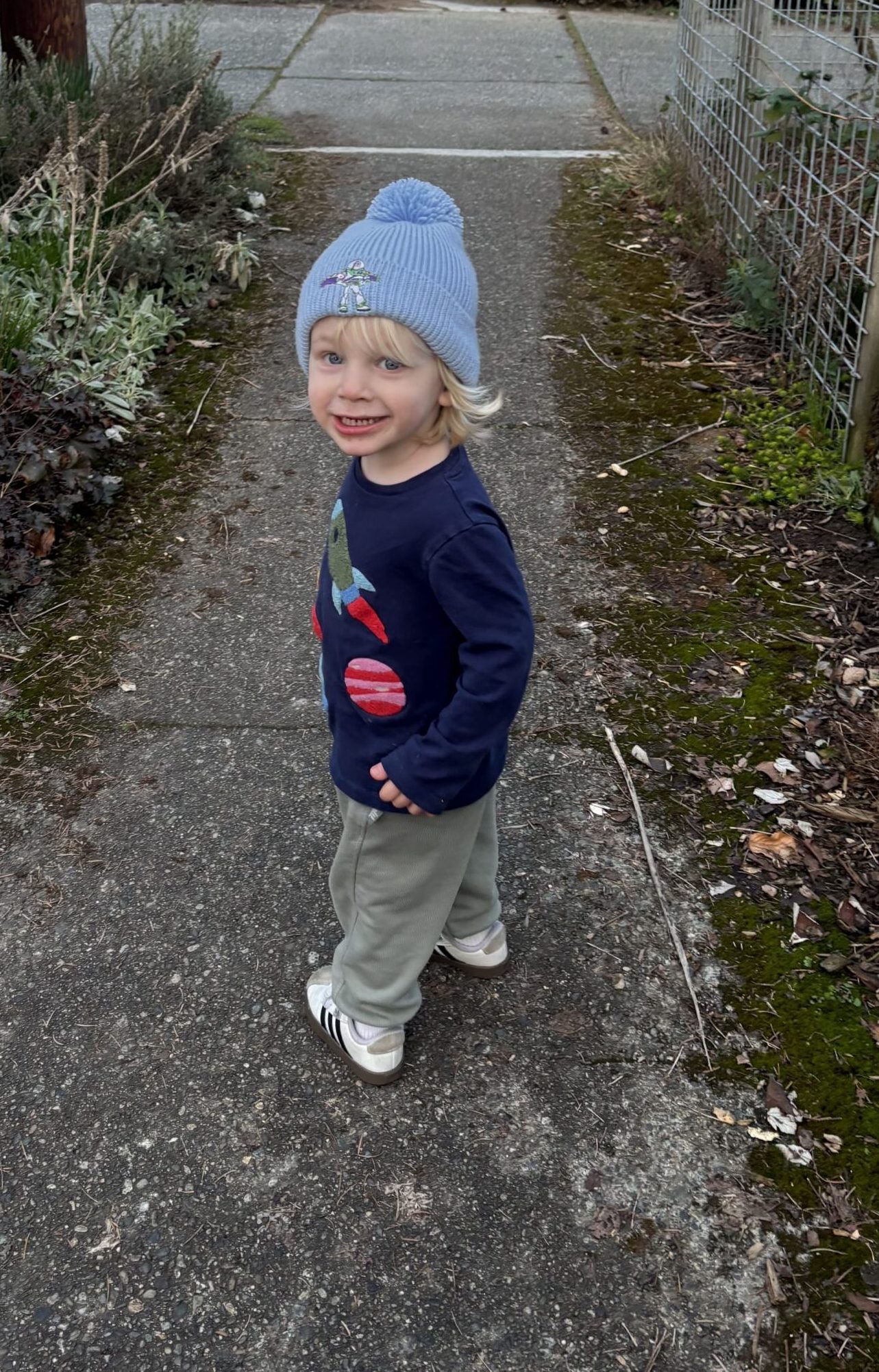
Integrating Support into the Classroom
One of the most significant challenges for children with hearing loss is managing the acoustic demands of a traditional learning environment. To mitigate the impact of ambient noise and auditory fatigue, the intervention team worked directly with Landon’s preschool teachers to implement evidence-based classroom strategies.
These accommodations include ensuring the child sits in close proximity to the teacher, minimizing background noise, and providing breaks for the child when signs of hearing fatigue—a common phenomenon where the brain exerts extra effort to decode sound—become apparent. These strategies are designed to foster an inclusive environment where the child is not only learning the curriculum but is also developing the self-advocacy skills necessary to communicate their needs as they progress toward kindergarten and beyond.
The Role of Blended Classrooms
The "blended classroom" model, pioneered by organizations like Listen and Talk, represents a shift in pedagogical approach for students with hearing loss. By integrating children with hearing loss with their typically hearing peers in an auditory-rich, stimulating environment, the model promotes social and linguistic development.
In this setting, students are provided with targeted speech therapy within the same facility where they receive their general education. This proximity allows for a seamless transition between therapeutic support and classroom learning. By normalizing the use of assistive technology and advocacy from a young age, these programs help children navigate the transition to mainstream educational settings with greater confidence. Research suggests that when children with hearing loss are exposed to diverse communication environments early on, they are better equipped to handle the demands of higher education and professional life later in their development.
Data and Implications for Public Health
The significance of Landon’s case is reflected in broader public health data. According to the Centers for Disease Control and Prevention (CDC), hearing loss is one of the most common congenital conditions in the United States, affecting approximately 1.7 per 1,000 newborns. The "1-3-6" model—screening by one month, diagnosis by three months, and intervention by six months—is the gold standard for mitigating the long-term impact of hearing loss on speech and language acquisition.
When intervention occurs before six months of age, children with hearing loss are significantly more likely to develop language skills at a rate comparable to their hearing peers. Without such intervention, these children face a higher risk of cognitive delays and academic struggles. The financial implications for society are also substantial; the cost of early intervention services is statistically lower than the long-term costs of special education and remedial services that may be required if a child does not receive early support.

Official Perspectives on Early Intervention
Industry experts note that while technology—such as hearing aids and cochlear implants—has advanced significantly, the human element of support remains the most vital factor. "The success of a child is not merely dependent on the hardware they use, but on the ecosystem of support built around them," says a representative from the audiology sector familiar with such programs.
Parental involvement, as seen in Landon’s case, is the catalyst for progress. By providing parents with the tools to troubleshoot devices and identify when a child is struggling, organizations like Listen and Talk empower families to become active participants in their child’s clinical and educational success. This collaborative approach ensures that the child’s vocabulary and articulation continue to improve, providing a foundation for future academic success.
Addressing the Broader Social Impact
The sustainability of these programs is often tied to charitable support and social impact enterprises. Because pediatric audiology and speech therapy are resource-intensive, funding plays a pivotal role in ensuring that these services remain accessible regardless of a family’s socioeconomic status.
Organizations that provide these services rely on the support of donors to fund ongoing audiology testing, professional development for educators, and specialized parent education programs. The overarching vision, as articulated by advocates, is that no child should be limited by their hearing loss. By investing in the formative years, society ensures that these children have the opportunity to participate fully in all aspects of life, from the classroom to the workforce.
Conclusion: A Foundation for Success
Landon’s progress is a testament to the efficacy of a comprehensive, early-intervention framework. By addressing his hearing loss with immediate, multifaceted support, his caregivers and teachers have provided him with the necessary tools to navigate his world effectively. As he continues his educational journey, the skills he has developed—particularly his ability to advocate for his own communication needs—will likely prove as important as his linguistic capabilities.
For families navigating similar diagnoses, the takeaway is clear: the journey is complex, but the availability of evidence-based intervention programs can drastically alter the outcome. As the field of pediatric audiology continues to evolve, the integration of clinical expertise with community-based support remains the most promising path forward for children with hearing loss.