The Evolution of the NAD Executive Leadership
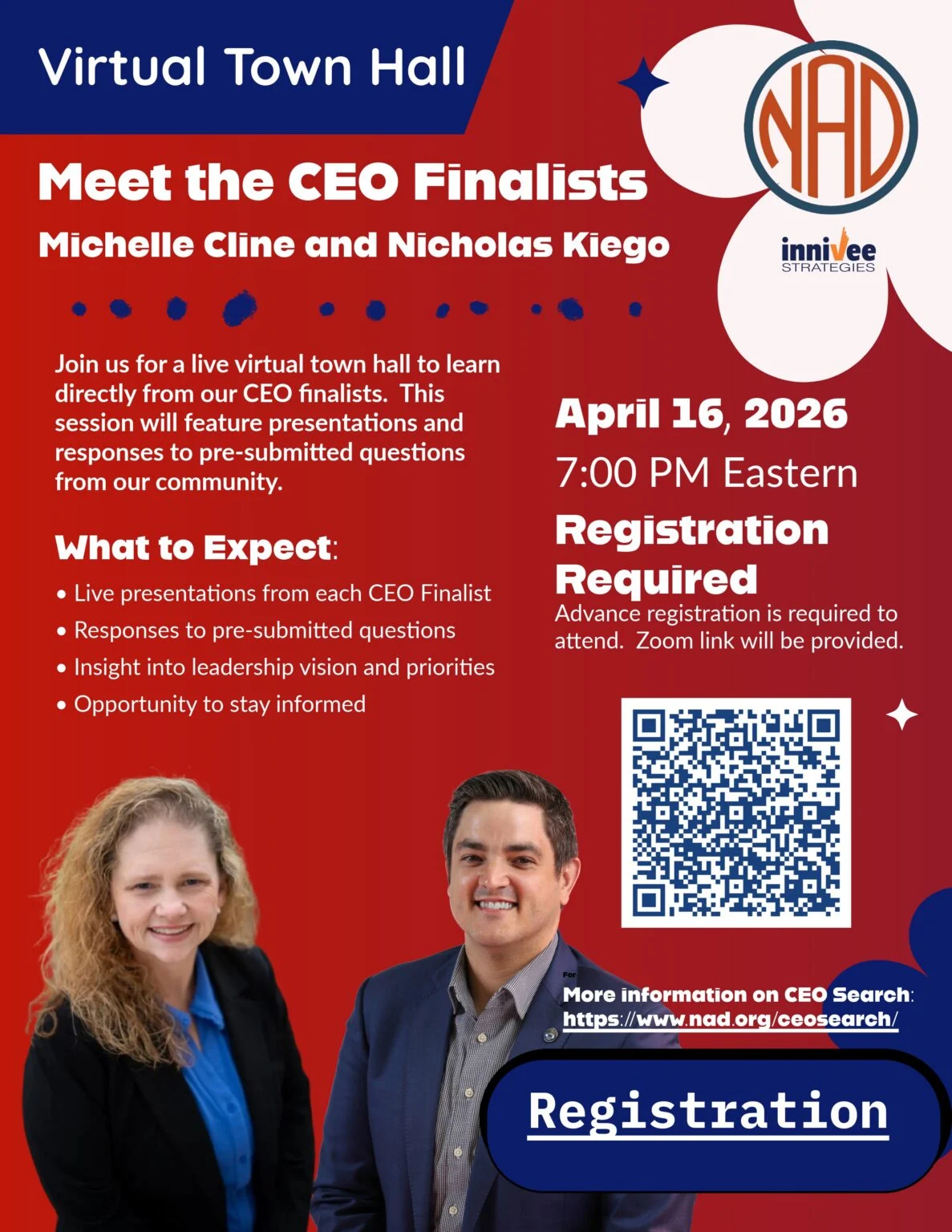
The current leadership search follows a period of organizational introspection and strategic planning. As the NAD prepares to address the challenges of the late 2020s—including the rapid integration of artificial intelligence in communication access, ongoing debates regarding medical and educational interventions, and the need for intersectional advocacy—the board of directors has prioritized a transparent selection process. The decision to host a virtual town hall on April 16, 2026, reflects a modern commitment to democratic participation, allowing stakeholders across the country to scrutinize the finalists’ visions in real-time.
Chronology of the Selection Process
The search for a new CEO began several months prior to the announcement of the finalists. The Board of Directors established a Search Committee tasked with identifying candidates who possess not only the technical skills required to manage a national nonprofit but also the lived experience necessary to represent the diversity of the deaf community.
- Strategic Planning Phase (Late 2025): The Board conducted an organizational audit to define the core competencies required for the next CEO, emphasizing communication, fiscal stewardship, and policy influence.
- National Recruitment (Early 2026): A nationwide search was launched, utilizing professional executive recruitment firms specializing in nonprofit leadership.
- Screening and Interviews (February–March 2026): The Search Committee conducted multiple rounds of interviews, narrowing a broad field of candidates down to a short list of highly qualified applicants.
- Finalist Selection (April 2026): Michelle Cline and Nicholas Kiego were selected as the final two candidates. The announcement was made on April 10, 2026, accompanied by a public call for community questions.
- Community Engagement (April 16, 2026): The virtual town hall was held, providing a platform for the candidates to address the public directly.
Profiles of the Finalists
The two finalists, Michelle Cline and Nicholas Kiego, bring distinct professional backgrounds to the table, both of which are indicative of the shifting priorities within the advocacy sector.
Michelle Cline has long been noted for her extensive work in educational policy and legislative advocacy. Her career has been marked by a focus on systemic change, particularly regarding the implementation of the Americans with Disabilities Act (ADA) in public sectors. Supporters have pointed to her track record in coalition building as a key asset for an organization that relies heavily on cross-disability alliances.
Nicholas Kiego offers a different, yet equally significant, profile, with a focus on grassroots mobilization and technological accessibility. His work in recent years has centered on the "digital divide," specifically the challenges faced by deaf individuals in accessing high-speed broadband and the necessary assistive technologies required to participate in the modern digital economy. His approach is often characterized by a focus on long-term sustainability and the expansion of the NAD’s digital footprint.
Supporting Data and Organizational Context
The NAD manages a complex portfolio that includes legal defense, public policy advocacy, and community education programs. Financial data from previous fiscal cycles suggests that the organization operates on a multi-million dollar annual budget, largely supported by individual memberships, federal grants, and philanthropic partnerships. The incoming CEO will inherit the responsibility of diversifying these revenue streams, especially as competition for disability-focused funding increases.
According to recent internal reporting, the NAD has seen a 12% increase in membership engagement over the past three years, largely driven by virtual outreach initiatives that expanded the organization’s reach beyond major metropolitan hubs. Maintaining this momentum while managing the administrative overhead of a national organization is a significant hurdle. Furthermore, the CEO must navigate the "post-pandemic" landscape of virtual communication, where the standards for remote access and captioning have evolved significantly, placing new demands on the organization’s policy experts.
Analysis of Leadership Implications
The selection of a new CEO carries profound implications for the future direction of the NAD. Historically, the organization has oscillated between a focus on "hard" legislative wins—such as Supreme Court litigation and federal regulatory changes—and "soft" cultural advocacy, such as the promotion of ASL as a primary language.
Analysts following the organization suggest that the next CEO will face three primary challenges:
- Intersectional Advocacy: The need to bridge gaps between various factions within the deaf community, including those from marginalized racial, ethnic, and socioeconomic backgrounds. The finalists have both addressed the need for greater inclusivity in their preliminary statements.
- Technological Disruption: With the rise of generative AI and automated captioning, the NAD must decide how to balance the support for innovative tech with the defense of human-led communication services (like professional interpreters).
- Institutional Longevity: Ensuring that the organization remains financially resilient in an economic climate that is increasingly hostile to non-profit funding.
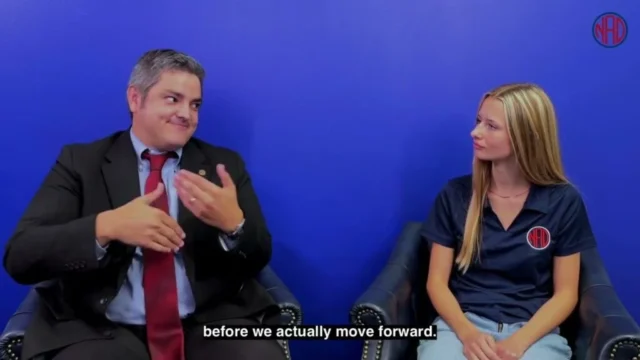
The town hall forum, held on April 16, was designed to test the candidates’ ability to address these specific, high-stakes issues. By requiring candidates to respond to pre-submitted questions, the organization ensured that the discourse remained focused on the most pressing concerns of the membership rather than abstract leadership philosophy.
The Role of the Community in the Search
The NAD’s decision to involve the public in this stage of the process is part of a broader trend of transparency in the disability rights movement. Unlike corporate boardrooms, where CEO selection is often shielded from the public, the NAD recognizes that its legitimacy is derived directly from its constituents.
By soliciting questions from the community, the Board ensured that the finalists were held accountable for their positions on controversial topics. These included the organization’s stance on educational mainstreaming versus residential schools, the ethical implications of genetic research related to deafness, and the strategies for maintaining political neutrality while lobbying for radical policy shifts.
Future Outlook
The conclusion of the search process is expected in the coming weeks, following a final deliberation by the Board of Directors. The incoming CEO will be tasked with executing a strategic plan that is likely to dominate the organization’s agenda for the next five to ten years.
As the NAD looks toward its future, the choice between Cline and Kiego represents a choice between two distinct paths. Whether the organization leans into the established legislative-legal advocacy model or pivots toward a more tech-forward, community-mobilization strategy remains to be seen. However, the thoroughness of the current selection process underscores the gravity of the transition. The community, through its participation in the virtual town hall and ongoing discourse, has signaled that it expects the new leadership to be not only a representative but a visionary capable of navigating the complex, often conflicting, needs of the modern deaf population.
The NAD has stated that all relevant information regarding the search, including recordings of the town hall and updates on the selection timeline, remains available on their official website. For a community that has historically fought for the right to be seen and heard, this transparent search process stands as a testament to the organization’s core mission: ensuring that the deaf community remains in the driver’s seat of its own destiny. As of April 2026, the final decision remains in the hands of the Board, but the dialogue has been firmly established in the public sphere, ensuring that whoever takes the helm will do so with a clear understanding of the expectations set by the community they represent.