Chronology of the Tragic Events
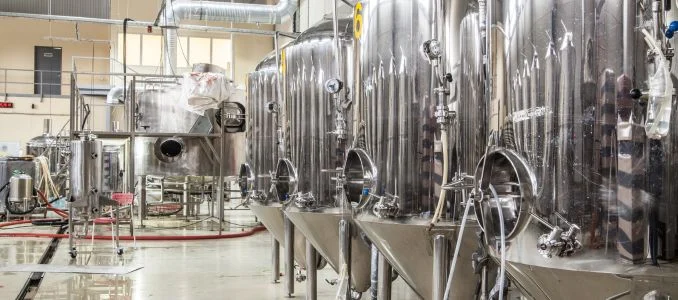
The first incident occurred on February 12, when a mechanical failure triggered a sudden release of pressurized contents from an industrial kettle. According to investigators, a vent line serving the unit became clogged, causing an undetected, dangerous buildup of pressure within the vessel. When the lid of the kettle unexpectedly disengaged, it discharged a high-velocity spray of scalding steam, boiling liquid, and food particles. Two employees working in the immediate vicinity were caught in the blast; one worker was struck by a dislodged component, while both suffered severe burns. Despite emergency intervention and hospitalization, one of the two workers succumbed to their injuries, marking the first fatality in the series of events that would eventually bring federal inspectors back to the facility.
Following the February fatality, the facility remained under scrutiny, but on March 18, tragedy struck again. OSHA investigators returned to the Janesville plant after reports of a second, nearly identical incident. In this instance, another industrial kettle lid failed under pressure, releasing a cloud of superheated steam and scalding liquid. The discharge proved fatal for two workers who were positioned near the equipment. A third employee sustained significant burns and required hospitalization. The repetitive nature of these accidents—occurring within the same facility and involving the same type of equipment—has raised significant questions regarding the adequacy of the remedial actions, if any, taken by management following the initial February incident.

Breakdown of Regulatory Citations and Penalties
The financial penalties issued by OSHA reflect the severity of the violations identified during their onsite inspections. The agency proposed $115,850 in penalties for the February incident and an additional $248,250 for the March occurrence. The citations cover a broad spectrum of safety infractions that federal officials categorize as both "serious" and "repeat."
Central to the investigation was the design and maintenance of the industrial kettles. OSHA cited the company for failing to implement necessary safeguards against thermal burn hazards, specifically noting that workers lacked immediate access to emergency water stations to mitigate the impact of accidental exposure. Furthermore, investigators identified significant fall hazards around the kettle platforms and a failure to conduct proper assessments of personal protective equipment (PPE) requirements.

Perhaps most critically, the agency issued repeat citations regarding the company’s failure to establish, document, and provide training on lockout/tagout procedures. Lockout/tagout (LOTO) is a fundamental safety standard in industrial manufacturing, designed to ensure that machinery is completely de-energized and depressurized before employees perform maintenance or interact with the equipment. The absence of these protocols, or the failure to enforce them, is frequently cited in industrial accidents where equipment is accidentally restarted or releases stored energy while workers are in harm’s way.
The Role of Industrial Safety Standards
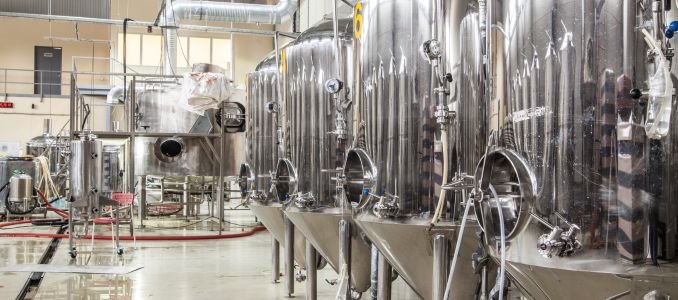
Industrial kettles are pressurized vessels that, by their nature, present inherent risks in food processing environments. The safe operation of such equipment relies on a multi-layered approach to safety: engineering controls, administrative procedures, and rigorous training. Engineering controls, such as pressure relief valves and redundant safety interlocks, are designed to prevent over-pressurization. Administrative controls include documented standard operating procedures (SOPs) and regular inspection cycles.

When these layers fail, the consequences are often catastrophic. According to industrial safety experts, a "clogged vent line" is a preventable mechanical issue that should be caught during routine preventative maintenance. The fact that the same issue—or a failure of the same mechanical nature—led to a second, more lethal incident just weeks later, suggests a potential breakdown in the facility’s safety culture and maintenance management system. Under OSHA standards, employers are strictly responsible for maintaining a workplace free from recognized hazards that are causing or are likely to cause death or serious physical harm.
Broader Industry Implications and OSHA Enforcement
The NaturPak case serves as a stark reminder of the critical importance of hazard identification and risk assessment in the food manufacturing sector. In the wake of these fatalities, the manufacturing industry is being reminded that OSHA’s enforcement strategy is increasingly focused on repeat violations. When a company is cited for a "repeat" offense, it signifies that the employer has previously been warned about a specific hazard but failed to implement long-term, sustainable corrections.

Data from the Bureau of Labor Statistics (BLS) indicates that while the food manufacturing industry has seen improvements in general workplace safety over the last decade, high-pressure equipment and thermal hazards remain significant contributors to severe injury and fatality statistics. For many mid-sized food processing plants, the challenge lies in balancing high-volume production schedules with the time-intensive requirements of equipment maintenance and employee training. When production speed is prioritized over safety protocols, the margins for error shrink, often leading to the exact types of pressure-release incidents seen in Janesville.
Official Response and Next Steps
The company now faces a critical juncture. Under the Occupational Safety and Health Act, IPMF LLC has 15 business days from the receipt of the citations to take one of three actions: pay the penalties in full, request an informal conference with an OSHA area director to discuss the findings, or formally contest the citations and proposed penalties before the Occupational Safety and Health Review Commission (OSHRC).

Contesting the citations would move the dispute into a legal forum where the company would have to prove that the violations did not occur as described or that their safety programs were, in fact, compliant with federal standards. If the company chooses to request an informal conference, they may attempt to negotiate a settlement, which often involves an agreement to implement more stringent safety measures, hire third-party safety consultants, or invest in new equipment technology in exchange for a modification of the penalties.
Conclusion and Future Outlook
The fatalities at the Janesville plant have left a community in mourning and the industry under intense scrutiny. As the legal and regulatory process moves forward, the primary concern remains the prevention of future incidents. The case highlights the necessity for manufacturing facilities to move beyond "check-the-box" safety compliance and toward a proactive safety management system that anticipates mechanical failures and empowers workers to halt operations if safety conditions are not met.

The $364,100 fine, while substantial, represents only a fraction of the cost of these incidents when accounting for the loss of human life and the long-term impact on the affected families. As investigators continue to evaluate the company’s response, the outcome of this case will likely serve as a benchmark for how OSHA addresses recurring mechanical safety failures in the manufacturing sector for the remainder of the decade. The industry will be watching closely to see whether NaturPak implements the comprehensive safety overhaul required to prevent a third, potentially even more tragic, series of events.