The Critical Need for Early Intervention in Neurodegeneration
Parkinson’s disease is a progressive neurological disorder characterized by the loss of dopamine-producing neurons in the brain, specifically in the substantia nigra. According to the World Health Organization (WHO), the prevalence of PD has doubled in the past 25 years, with global estimates suggesting that over 8.5 million individuals are currently living with the condition. The primary hurdle for clinicians is that by the time classic motor symptoms—such as tremors, bradykinesia (slowness of movement), and postural instability—become apparent, a significant portion of the brain’s dopaminergic neurons has already been destroyed.
Current diagnostic protocols rely heavily on clinical rating scales, such as the Unified Parkinson’s Disease Rating Scale (UPDRS), and expensive neuroimaging techniques like Dopamine Transporter (DaTscan) SPECT imaging. These methods are often subjective, accessible only in specialized urban centers, and prohibitively expensive for routine population-wide screening. Furthermore, the lack of definitive biomarkers means that many patients are diagnosed only after the disease has reached an advanced stage, limiting the effectiveness of neuroprotective therapies. The development of a rapid, inexpensive, and objective screening tool is therefore considered the "holy grail" of Parkinson’s research.
The Biological Foundation: From Sebum to Earwax
The genesis of this research lies in the physiological changes that accompany neurodegeneration. Previous studies have indicated that Parkinson’s disease alters the body’s metabolic processes, leading to systemic inflammation and oxidative stress. These internal changes are reflected in the chemical composition of sebum, an oily, waxy substance secreted by the sebaceous glands to lubricate and waterproof the skin.
A well-known anecdotal precursor to this field of study involved Joy Milne, a Scottish woman with a hyperosmic sense of smell who famously identified a "musky" odor on her husband years before he was diagnosed with PD. Subsequent clinical trials confirmed that individuals with PD indeed emit a distinct scent due to altered volatile organic compounds (VOCs) in their sebum. However, using sebum from the general surface of the skin—such as the forehead or back—presents significant logistical challenges. Skin sebum is constantly exposed to environmental variables, including air pollution, humidity, soaps, and perfumes, all of which can contaminate the sample and lead to "noisy" data.
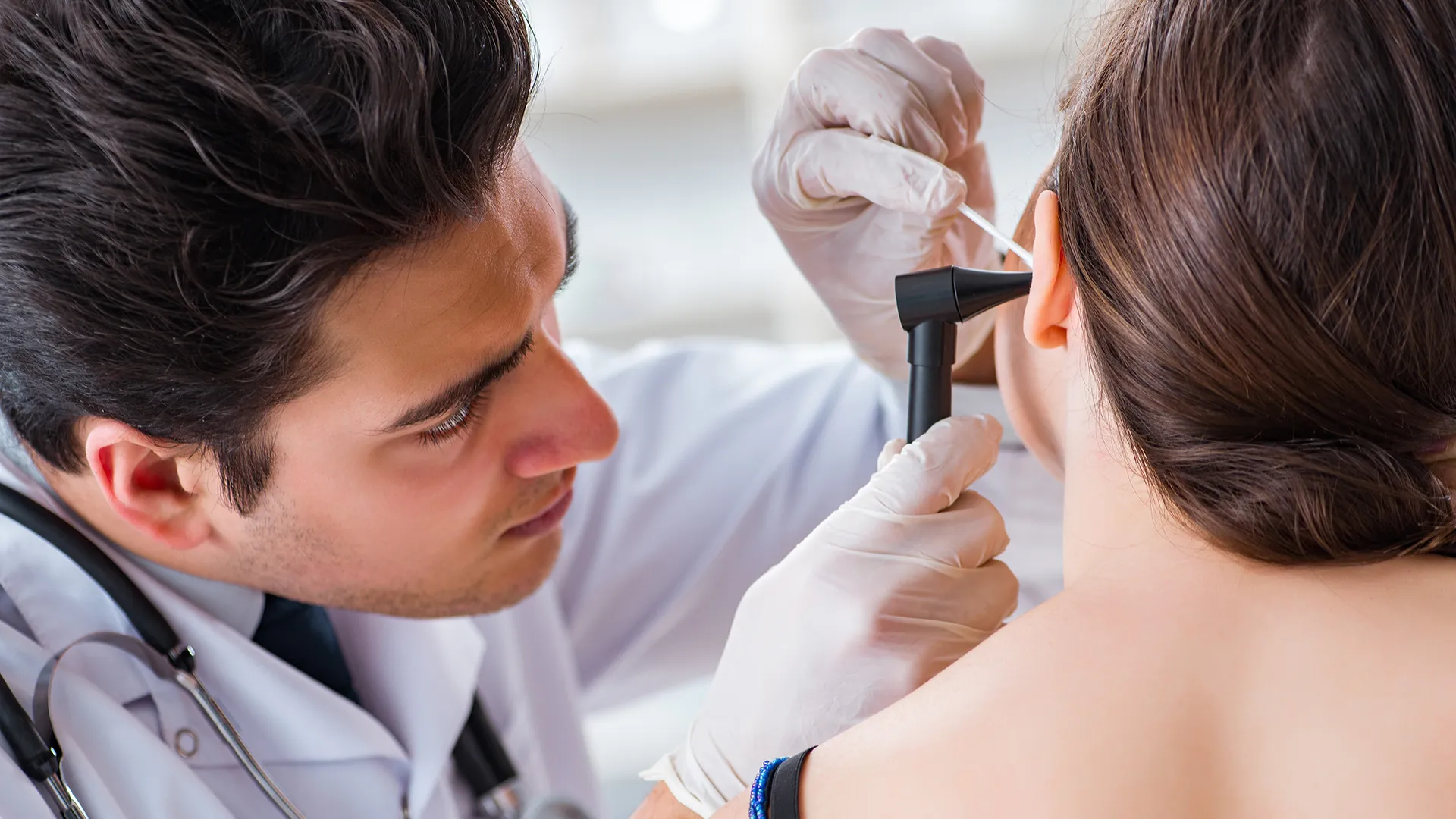
To circumvent these issues, the research team turned their attention to the ear canal. The skin inside the ear is relatively shielded from external environmental factors, and the earwax (cerumen) produced there consists largely of sebum mixed with dead skin cells. This provides a concentrated, stable, and easily accessible reservoir of the body’s internal chemical signatures.
Methodology: Decoding the Chemical Signature of Parkinson’s
The study involved 209 human subjects, a cohort consisting of 108 individuals previously diagnosed with Parkinson’s disease and 101 healthy control subjects. To ensure the integrity of the data, researchers employed a rigorous sampling and analysis process.
- Sampling: Earwax was collected from the ear canals of all participants using sterile swabs.
- Chemical Analysis: The samples underwent gas chromatography-mass spectrometry (GC-MS). This analytical method separates the chemical mixtures (gas chromatography) and then identifies the components at a molecular level (mass spectrometry).
- Biomarker Identification: Through this process, the team identified 11 potential VOCs. After statistical refinement, four specific compounds were found to be significantly different in the earwax of PD patients compared to the healthy control group.
The four identified biomarkers are:
- Ethylbenzene: An aromatic hydrocarbon often linked to metabolic shifts.
- 4-ethyltoluene: A compound whose levels varied significantly in the presence of neurodegenerative stress.
- Pentanal: An alkyl aldehyde that is a known byproduct of lipid peroxidation, a hallmark of oxidative stress in the body.
- 2-pentadecyl-1,3-dioxolane: A complex acetal that appeared as a unique signature in the PD samples.
The researchers concluded that the presence and concentration of these four specific VOCs constitute a "chemical fingerprint" for Parkinson’s disease.
The Role of Artificial Intelligence in Olfactory Detection
Once the chemical biomarkers were identified, the researchers sought to automate the detection process to make it viable for clinical use. They developed an artificial intelligence olfactory (AIO) system, essentially a "digital nose" trained to recognize the specific patterns of the four key VOCs.
The AI was trained using the data from the initial 209 subjects, learning to distinguish between the complex chemical profiles of PD patients and healthy individuals. When tested, the AIO system demonstrated a 94% accuracy rate. This high degree of precision is particularly notable because it suggests the system can filter through the natural biological variations between individuals to find the specific "signal" of the disease.
The integration of AI is crucial for the scalability of this technology. While GC-MS requires high-end laboratory equipment and expert technicians, a trained AI model could eventually be integrated into smaller, portable "e-nose" devices. Such devices could be used in primary care settings, allowing a general practitioner to swab a patient’s ear and receive a preliminary screening result within minutes.
A Chronology of Discovery: The Path to the "Digital Nose"
The development of the earwax screening method is the culmination of nearly a decade of interdisciplinary research into the "smell" of neurodegeneration:
- 2015-2017: Initial validation of Joy Milne’s observations. Researchers in the UK begin exploring the link between sebum and PD, identifying that the odor is concentrated in areas with high sebaceous gland density.
- 2019: Studies published in ACS Central Science identify specific lipids and VOCs in skin sebum that change with PD progression, but researchers note the difficulty of environmental contamination on the skin surface.
- 2021-2022: The research team in China, led by Dong and Zhu, begins investigating more stable biological reservoirs, eventually focusing on the protected environment of the ear canal.
- 2023-2024: The team conducts the 209-subject study, identifies the four key biomarkers, and successfully trains the AIO system, leading to the current publication in Analytical Chemistry.
Broader Implications and Economic Impact
The implications of a 94%-accurate, low-cost earwax test are profound, both for patient outcomes and global healthcare systems. From a clinical perspective, early diagnosis allows for the earlier administration of Levodopa and other dopamine-regulating medications, which can significantly improve a patient’s quality of life and prolong independence. It also opens the door for patients to participate in clinical trials for new neuroprotective drugs at a stage where their brain tissue is still relatively intact.
From an economic standpoint, the burden of Parkinson’s disease is staggering. In the United States alone, the total economic burden (including treatment, social security payments, and lost income) is estimated at $52 billion annually. By shifting the diagnostic window earlier, healthcare systems can move from expensive "crisis management" of advanced PD symptoms to more sustainable, long-term maintenance. A simple earwax swab costs a fraction of a DaTscan, making this a viable screening tool for developing nations where access to advanced neurology is limited.
Perspectives and Future Research Directions
While the results are promising, the research team remains cautious about immediate widespread implementation. Hao Dong emphasized that the study was a "small-scale single-center experiment in China." For the test to become a global standard, it must undergo further validation.
"The next step is to conduct further research at different stages of the disease, in multiple research centers and among multiple ethnic groups," Dong stated. This is a critical point, as diet, environment, and genetics can all influence the composition of earwax and the production of VOCs. Researchers need to ensure that the "Parkinson’s scent" remains consistent across a diverse global population.
Furthermore, future studies will likely focus on whether this earwax signature can distinguish between Parkinson’s and other "Parkinson-plus" syndromes, such as Multiple System Atrophy (MSA) or Dementia with Lewy Bodies (DLB), which often mimic PD in their early stages but require different treatment paths.
Conclusion
The development of an AIO-based earwax screening model represents a significant leap forward in the field of non-invasive diagnostics. By tapping into the stable chemical environment of the ear canal and leveraging the pattern-recognition power of artificial intelligence, researchers have provided a blueprint for a future where Parkinson’s disease can be detected years before the first tremor appears. As this technology moves into multi-center clinical trials, it offers a beacon of hope for millions of families worldwide, promising a future where early intervention is not just a possibility, but a standard of care.
The research was supported by the National Natural Sciences Foundation of Science, the Pioneer and Leading Goose R&D Program of Zhejiang Province, and the Fundamental Research Funds for the Central Universities.