
The Incident and Regulatory Findings
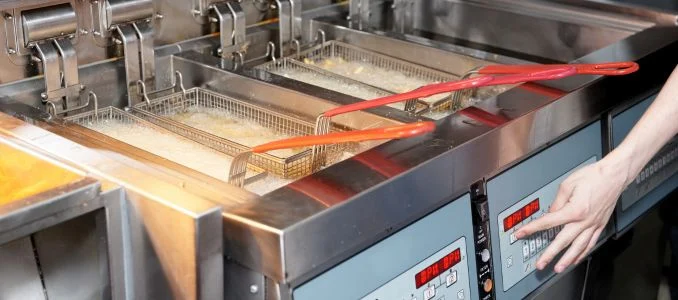
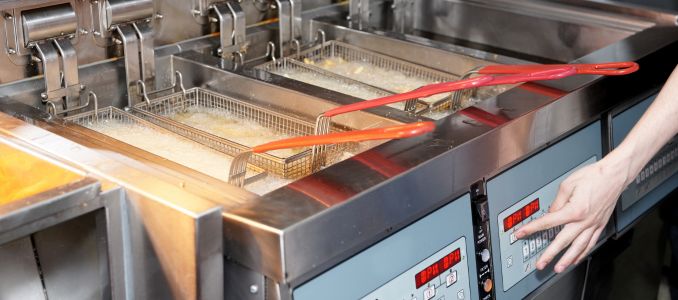
The investigation into Two Beacons LLC was triggered by a workplace accident involving a teenage staff member. According to investigators, the minor was tasked with using a manual deep fryer—a piece of equipment strictly off-limits to workers under the age of 16 under federal law. During the course of their duties, the minor sustained hot grease burns, an injury that prompted a formal inquiry by federal authorities.
The Fair Labor Standards Act (FLSA) provides specific protections for minors, categorizing various kitchen tasks as hazardous occupations. The operation of manual deep fryers, which often involve the manual lowering and raising of baskets into scalding oil, is considered too dangerous for 14- and 15-year-olds. The investigation found that the Cleveland franchise not only allowed the operation of this machinery but also permitted minors to use commercial-grade batter mixers. These mixers, which feature high-speed mechanical components, are also prohibited for use by workers under 18 under federal hazardous occupation orders.

Beyond the machinery violations, the DOL discovered that the employer had failed to adhere to strict hour limitations mandated for 14- and 15-year-olds. Under federal law, these younger employees are limited in the number of hours they can work per day, the number of hours per week during school sessions, and the times of day they are permitted to be on the clock. By exceeding these time caps, the franchisee effectively disrupted the work-school balance that federal statutes aim to protect.
Enhanced Compliance and Remediation Measures
To resolve the federal enforcement action, Two Beacons LLC entered into an enhanced compliance agreement that extends across all seven of its restaurant locations, both current and future. This agreement represents a significant administrative burden and a shift in operational policy for the franchisee.

Key components of the agreement include:
- Visual Identification Protocols: The company is now required to mandate that all employees under the age of 16 wear distinct, recognizable uniforms. The objective is to provide an immediate visual cue to managers and supervisors that these specific individuals are subject to strict legal working limitations, preventing inadvertent assignment of hazardous tasks.
- Managerial Accountability: The settlement establishes a rigorous oversight framework. Future instances of child labor noncompliance could lead to the immediate termination of the managers responsible for scheduling or task assignment, signaling a zero-tolerance approach to safety violations.
- Mandatory Education Programs: The franchisee is obligated to implement a comprehensive training curriculum for all staff, specifically focusing on the rights of young workers and the safety regulations governing their employment.
Broader Context of Child Labor Enforcement
The case in Tennessee is not an isolated incident but rather part of a larger, ongoing effort by the U.S. Department of Labor to curb a rising tide of child labor violations nationwide. During fiscal year 2025, federal investigators conducted hundreds of enforcement actions, uncovering 976 cases of child labor violations that affected 5,272 minors. These findings resulted in the assessment of more than $37 million in civil money penalties.

The increase in violations has been attributed to a variety of factors, including labor shortages, the rapid expansion of the gig economy, and a general lack of awareness among small-to-mid-sized business owners regarding the complexities of the FLSA. In many cases, employers view young workers as a flexible solution to staffing gaps, but they often fail to integrate the necessary legal safeguards into their onboarding and management processes.
Legal and Ethical Implications for the Food Service Industry
The restaurant industry, characterized by high turnover and a reliance on entry-level labor, remains a primary focus for the Wage and Hour Division. For franchisees, the implications of these violations go beyond the immediate financial penalties. Reputational damage, increased scrutiny from regulatory bodies, and the high cost of implementing mandated compliance programs can significantly impact the long-term viability of a franchise.

Industry analysts note that the "enhanced compliance" model is becoming a standard tool for federal regulators. By requiring companies to police themselves through visual aids and heightened management accountability, the DOL aims to move beyond simple fines and toward systemic cultural change within the workplace.
Safety Regulations for Minors: A Primer
The Fair Labor Standards Act serves as the backbone of child labor protections in the United States. While 16- and 17-year-olds may perform most non-hazardous tasks, the rules for 14- and 15-year-olds are far more restrictive:

- Hazardous Tasks: Prohibited work includes the use of most power-driven machinery, including slicers, dough mixers, and fryers.
- Time Restrictions: During the school year, these minors cannot work during school hours, before 7 a.m., or after 7 p.m. Furthermore, they are capped at three hours on school days and 18 hours per school week.
- Documentation: Employers must maintain accurate records of age verification, typically through birth certificates or government-issued IDs, to ensure that the individuals they are hiring are legally permitted to work the hours and tasks assigned to them.
Analysis of Regulatory Enforcement
The aggressive posture taken by the Department of Labor suggests that federal authorities are increasingly prioritizing the protection of minors in the workforce. For business owners, the message is clear: the convenience of hiring minors comes with a non-negotiable set of responsibilities. Failure to strictly adhere to these regulations invites not only civil penalties but also the possibility of enhanced, long-term federal monitoring.
The case of Two Beacons LLC highlights the importance of internal auditing. Often, violations occur due to a lack of communication between upper management and shift leads. When managers on the floor are not fully trained on the specific restrictions for 14- and 15-year-olds, the risk of injury and regulatory failure increases exponentially.

Conclusion: The Future of Youth Employment Safety
The path forward for restaurant franchisees involves a dual focus on education and structural safety. Moving forward, the industry is expected to see a greater emphasis on digital scheduling tools that automatically block minors from being scheduled during prohibited hours, as well as mandatory safety certifications for any manager overseeing a kitchen that employs staff under the age of 18.
While the $62,235 penalty paid by the Captain D’s franchisee is a significant financial hit, the true cost lies in the human impact—the injury of a young worker—and the permanent adjustment to the company’s operational procedures. As federal agencies continue to ramp up their enforcement activities, the pressure on businesses to prioritize compliance will only intensify. For the young workers entering the labor market, these regulations remain their primary defense against exploitation and workplace hazards. The Tennessee incident serves as a poignant reminder that while young people contribute significantly to the economy, their safety and well-being must remain the paramount concern of every employer.