Understanding Anatomy-Based Fitting: Precision Meets Personalization
At its core, natural hearing relies on the cochlea’s tonotopic organization, where different frequencies are processed at specific locations. Conventional cochlear implant fittings have historically relied on generalized mapping strategies. However, anatomy-based fitting (ABF) represents a paradigm shift by integrating post-operative imaging data with advanced software like MED-EL’s OTOPLAN. This technological synergy allows audiologists to visualize the exact placement of the electrode array within an individual’s cochlea.
This precise anatomical information is then used to tailor the sound coding strategy, ensuring that frequency information is delivered to the neural pathways corresponding to its natural pitch. In essence, ABF seeks to replicate the tonotopic organization of the natural ear more accurately, moving away from a one-size-fits-all approach to a highly individualized fitting. This meticulous alignment is crucial because the effectiveness of a cochlear implant hinges on delivering the right electrical stimulation to the right auditory nerve fibers. Even minor discrepancies in electrode placement can lead to suboptimal sound perception.
The development of ABF is rooted in decades of research into auditory neuroscience and cochlear implant technology. Early CI systems focused on restoring audibility, a monumental achievement in itself. As the technology matured, the emphasis shifted towards improving speech understanding and sound quality. ABF emerges from this evolutionary process, leveraging advancements in imaging techniques and computational algorithms to refine the fitting process further. The availability of high-resolution imaging post-surgery, coupled with sophisticated planning software, has made this level of anatomical precision feasible.
User Journeys: Real-World Impact of ABF
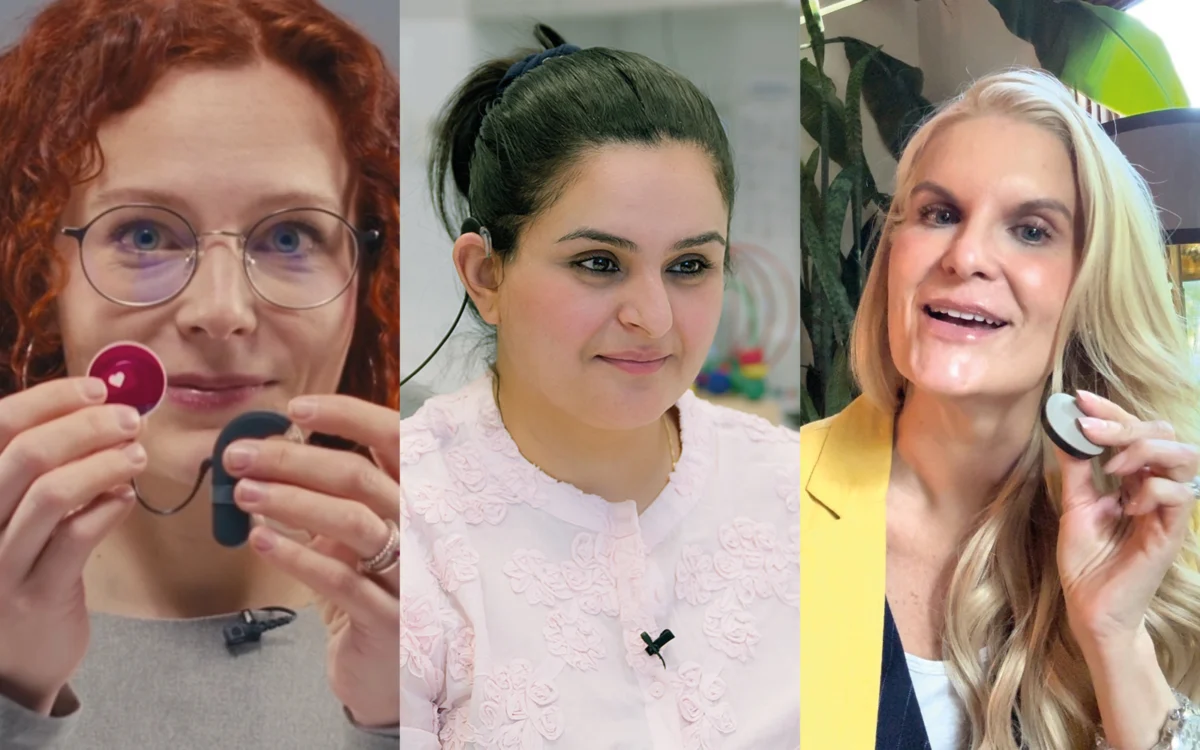
The true measure of any technological advancement lies in its impact on the lives of those who use it. The experiences of Mariia, Nandini, and Tracie, though diverse in their hearing loss journeys and implant histories, converge on a shared theme: ABF has facilitated a more intuitive and comfortable auditory experience.
Mariia, a neuroscientist residing in Russia and a bilateral CI user, had previously relied on conventional fittings for years. Her transition to ABF marked a significant improvement in comfort, particularly with her own voice, which had long sounded slightly artificial. "The biggest change was comfort," Mariia shared. "My own voice, which had sounded slightly off for years, suddenly sounded natural again. Music felt fuller, too. For me, ABF did not create a dramatic miracle; it removed the last layer of strangeness in my hearing and replaced it with ease." This sentiment underscores that while ABF is technologically advanced, its benefits are often perceived through the lens of everyday comfort and familiarity. For Mariia, it was not about achieving an entirely new level of hearing, but about refining the existing one to a point of naturalness that had previously eluded her.
Nandini, a bimodal user from the UK with a history of lifelong progressive hearing loss, experienced an almost immediate difference. Her hearing, previously described as "tinny" and "robotic," became smoother and less taxing on her cognitive load. "The sound felt less tinny, less robotic, smoother, and easier on the brain," Nandini recounted. "For her, ABF didn’t just change the sound—it changed how listening felt in her whole body. She described it as a kind of relief, as though her system was finally able to relax." This description highlights the cognitive benefits of a more natural sound processing. When the brain doesn’t have to work as hard to decipher distorted or unnatural sounds, it can allocate resources to other cognitive tasks, leading to reduced listening fatigue and a greater sense of ease.
Tracie, an individual from the US experiencing single-sided deafness following a sudden hearing loss, offers a unique perspective. Her journey with ABF involved an initial period of adaptation. Having used a default map for several months, the switch to ABF required a renewed effort. However, Tracie persevered, recognizing the inherent potential of the personalized fitting. "Over time, the result was better at ‘twinning’ with her natural hearing ear, which improved comfort and enabled her to experience sound quality she rated as very natural," Tracie stated. Her experience emphasizes that while ABF aims for naturalness, the brain’s ability to integrate new auditory input, especially in cases of altered auditory landscapes, remains a critical factor. Her willingness to engage in active listening practice underscores the collaborative effort between technology and user in achieving optimal outcomes.
The "Wow" Moments: Rediscovering Auditory Nuances
Beyond the overarching improvements in comfort and naturalness, users often recall specific "wow" moments that encapsulate the profound impact of ABF. These are often the small, yet significant, rediscoveries of everyday sounds and experiences.
For Mariia, a pivotal moment was hearing her own voice and recognizing it as truly her own. "That’s me," she thought. The constant presence of one’s own voice makes any subtle mismatch particularly noticeable. ABF’s ability to rectify this discrepancy brought a sense of authenticity to her self-perception. Furthermore, she observed that environmental sounds on her newly implanted side seemed to approximate naturalness much sooner than with her previous fitting. This suggests that the precise anatomical alignment facilitated by ABF accelerates the brain’s ability to interpret and integrate new auditory information.
Nandini’s memorable experience involved not just hearing a can of soda being opened, but also discerning the distinct fizz of the beverage. This level of detail—the subtle texture and effervescence—represented a reawakening of auditory nuances she had long forgotten. "Overall, sound became less artificial, less robotic, and more natural for her," she reported. This ability to perceive finer auditory details contributes to a richer and more immersive auditory environment.
Tracie’s "wow" moment occurred in a challenging auditory environment: a loud, crowded setting. Instead of feeling overwhelmed by the cacophony, she observed her brain actively organizing the layered sounds. This shift transformed a potentially exhausting experience into a purposeful one, fostering a sense of progress and building confidence in her auditory abilities. This ability to process complex soundscapes more effectively is a testament to how ABF can empower users to navigate diverse listening situations with greater ease.
The Role of Adaptation and User Commitment
While ABF represents a significant advancement in fitting technology, it is essential to acknowledge that the journey to optimal hearing is rarely instantaneous. MED-EL emphasizes that while ABF provides a highly personalized starting point, the brain still requires time and effort to adapt to the new auditory input. The user experiences strongly support this notion.
Mariia, for instance, experienced rapid adjustment, finding her optimal hearing within days. Nandini, on the other hand, reached her peak performance over several months, indicating a more gradual but equally rewarding adaptation process. Tracie’s experience highlights the importance of actively engaging with the auditory world, describing a "temporary reset" that necessitated dedicated listening practice and patience.
This consensus underscores a critical point: technology, however sophisticated, is most effective when coupled with user commitment. The brain’s plasticity allows it to learn and adapt, but this process is often facilitated by conscious effort and consistent engagement with sound. Therefore, while ABF streamlines the initial fitting, ongoing rehabilitation and active listening remain integral components of maximizing its benefits. This collaborative approach between the audiologist, the technology, and the user is paramount.
Expert Insights and Broader Implications
Audiologists and hearing health professionals are increasingly recognizing the value of personalized fitting approaches like ABF. Dr. Anya Sharma, a leading audiologist specializing in cochlear implants (hypothetical expert statement), notes, "The move towards anatomy-based fitting signifies a maturation of cochlear implant technology. By leveraging precise anatomical data, we can move beyond generalized fitting protocols and truly tailor the device to the individual’s unique auditory system. This has the potential to significantly improve speech clarity, sound quality, and overall user satisfaction."
The implications of ABF extend beyond immediate listening benefits. For individuals with profound hearing loss, regaining natural-sounding hearing can have a ripple effect on their social, emotional, and professional lives. Improved communication clarity can foster stronger relationships, enhance participation in social activities, and boost confidence in professional settings. The ability to appreciate music more fully, a common desire among CI users, can also significantly enrich their quality of life.
Furthermore, as ABF becomes more widely adopted, it may influence future CI device design and surgical techniques. The emphasis on precise electrode placement could drive innovation in surgical navigation and electrode array technology, aiming for even greater accuracy and minimal invasiveness. The data generated from ABF fittings could also contribute to large-scale research, providing valuable insights into the long-term effects of precise sound coding on auditory perception and brain plasticity.
The Future of Hearing: A Personalized Approach
Anatomy-based fitting represents a significant stride towards achieving hearing that not only restores audibility but also mimics the natural richness and nuance of human hearing. By meticulously aligning sound coding with individual cochlear anatomy, MED-EL’s ABF technology is empowering users like Mariia, Nandini, and Tracie to experience sound in a way that feels more intuitive, comfortable, and deeply personal.
The core philosophy of ABF—that hearing should fit the individual—is resonating deeply with users. It moves beyond the technical specifications of a device to address the subjective experience of hearing. For many, the ultimate goal is not just to hear more, but to hear in a way that feels profoundly right. As research and technology continue to advance, the promise of anatomy-based fitting suggests a future where cochlear implantation leads to a hearing experience that is increasingly indistinguishable from natural hearing, profoundly transforming the lives of individuals with hearing loss. The ongoing testimonials and growing adoption of ABF signal a promising new chapter in the pursuit of restored hearing, one that is deeply rooted in precision, personalization, and the profound human desire for authentic connection through sound.