The Scale of the Challenge: Data and Demographics
The physiological risks inherent in high-volume environments are well-documented by audiological research. According to the World Health Organization (WHO), over 1 billion young adults are at risk of permanent hearing loss due to unsafe listening practices. In the context of music festivals, sound pressure levels frequently exceed 100 decibels (dB). For perspective, consistent exposure to noise levels above 85 dB for more than eight hours can cause permanent damage; at 100 dB, the "safe" duration of exposure is reduced to less than 15 minutes without adequate protection.
Tinnitus, characterized by the perception of internal sound such as ringing or buzzing, serves as a primary indicator of noise-induced hearing damage. In the UK, it is estimated that one in eight adults lives with persistent tinnitus. For younger demographics, the cumulative effect of "recreational noise exposure"—a term encompassing everything from loud personal audio devices to front-row festival experiences—is becoming a significant public health concern. The transient "muffled" sensation often felt after a concert, known as temporary threshold shift (TTS), is a biological warning sign that the hair cells within the cochlea have been overstressed.
Chronology of the 2026 Awareness Initiative
The current push by Tinnitus UK is part of a multi-year strategy to integrate hearing protection into the mainstream festival experience. The organization’s timeline for 2026 has been marked by several key milestones:
- February 2026: Tinnitus UK hosted its annual "Tinnitus Week," which focused on bridging the gap between clinical research and public accessibility. This period served as the conceptual launchpad for the summer outreach program.
- April 2026: Initial consultations began with major UK festival organizers regarding the implementation of "quiet zones" and the promotion of standardized hearing protection at merchandise stalls.
- May 2026: Formal partnership announcement with Download Festival 2026. This collaboration marks a strategic shift from passive education to active, on-site engagement at one of the UK’s most prominent heavy metal and rock events.
- June – August 2026: Deployment of staff and resources across the UK festival circuit, providing real-time guidance to fans and technical support to sound engineers.
The Download Festival Partnership
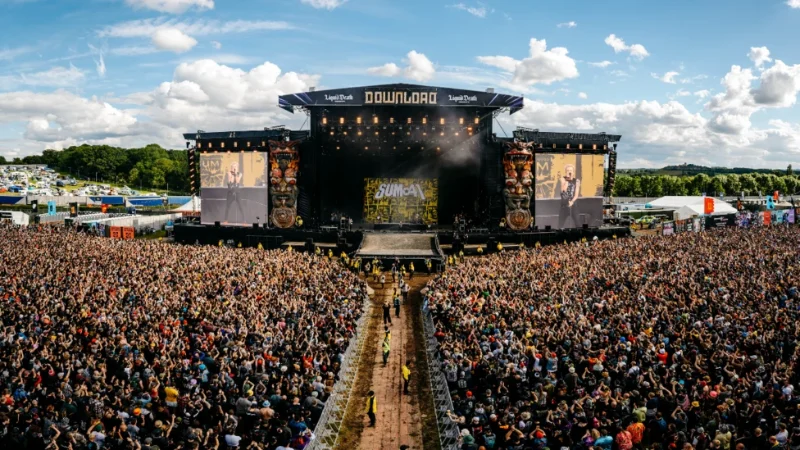
The partnership between Tinnitus UK and the organizers of Download Festival 2026 represents a landmark moment for the charity. Download, which attracts upwards of 80,000 attendees annually, provides a high-density environment where sound pressure levels are naturally elevated due to the nature of rock and metal instrumentation. By embedding awareness efforts directly into the event infrastructure, Tinnitus UK is aiming to dismantle the stigma often associated with wearing earplugs at live events.
"Music is the lifeblood of our culture," stated a spokesperson for Tinnitus UK during the announcement. "Our goal is not to silence the music, but to ensure that the music remains a viable part of a fan’s life for decades. By working with a festival of this magnitude, we are meeting the audience where they are, providing them with the tools and knowledge to make informed decisions about their own sensory health."
The Mechanics of Hearing Protection
Modern advancements in hearing protection have moved far beyond the rudimentary foam plugs of the past. Today’s high-fidelity earplugs are engineered to attenuate sound across all frequencies evenly. Unlike cheaper alternatives that create a "muffled" effect by blocking high-frequency sounds more than low-frequency ones, high-fidelity models maintain the clarity and tonal balance of the music while safely lowering the decibel output.
Beyond physical protection, the charity emphasizes behavioral modifications:
- Distance Regulation: The inverse square law of physics dictates that sound intensity drops significantly as one moves away from the sound source. Simply standing 10–20 meters further back from a speaker stack can reduce the sound pressure level by several decibels, effectively doubling the "safe" time one can spend in that area.
- Auditory Respite: Much like muscle fatigue, ears require recovery time. Stepping away from the main stage for 10–15 minutes every hour allows the delicate hair cells in the inner ear to recalibrate.
- Pediatric Vigilance: Children are particularly susceptible to noise-induced damage due to their developing auditory systems. The use of industrial-grade ear defenders for younger children is not merely a recommendation but a necessary precaution at large-scale, high-decibel events.
Clinical Implications and Support Systems
For those who have already sustained hearing damage or are currently living with tinnitus, the summer season can be a period of anxiety. Tinnitus UK has expanded its support infrastructure to meet an anticipated seasonal increase in inquiries. The organization provides a multifaceted support system that includes:
- Specialized Counseling: Understanding that tinnitus is often accompanied by anxiety or sleep disruption, the charity offers resources designed to manage the psychological impact of the condition.
- The Tinnitus Helpline: A confidential, free-to-access service that provides immediate guidance for individuals noticing new or worsening symptoms.
- Peer Support Networks: Local and national groups that allow individuals to share coping strategies, which is clinically recognized as a highly effective tool for long-term tinnitus management.
Broader Economic and Cultural Impacts
The live music industry contributes billions to the UK economy annually. However, the long-term sustainability of this industry depends on the health of its audience. A public health crisis involving mass hearing loss would not only be a tragedy for individual quality of life but would also have long-term implications for the music economy. If concertgoers eventually stop attending due to the fear of tinnitus or the inability to tolerate high-volume environments, the industry faces a potential decline in ticket sales and participation.
By advocating for "hearing-positive" festival environments, Tinnitus UK is effectively protecting the future of the industry itself. Industry analysts suggest that we are entering an era where "auditory safety" will become a standard component of event licensing and insurance, similar to how health and safety regulations evolved for crowd management and fire safety in previous decades.
Conclusion: A Sustainable Future for Live Music
As the 2026 festival season hits its peak, the narrative surrounding live music is shifting from one of reckless indulgence to one of informed enjoyment. The data is clear: the choice to protect one’s hearing is not an act of concession, but an investment in the ability to continue attending concerts, appreciating complex musical arrangements, and maintaining healthy auditory function well into the future.
For the casual fan and the dedicated festival-goer alike, the message from Tinnitus UK is one of empowerment. By integrating high-quality protection, respecting the physical limits of the human ear, and utilizing available support resources, the audience can ensure that the "unforgettable nights" of this summer do not result in the permanent, unwanted sound of tinnitus. The music is worth protecting—and with the right precautions, it can be enjoyed for a lifetime.
For further information on hearing protection, support groups, or clinical resources, individuals are encouraged to visit the official Tinnitus UK website or contact their support helpline directly. The tools for protection are readily available; the final step is the adoption of these practices as a standard part of the concert-going culture.