Defining the Clinical Landscape
Microtia is classified into four distinct grades based on the physical structure of the ear. Grade I represents a smaller-than-average ear with mostly normal anatomy, while Grade IV, also known as anotia, involves the complete absence of the ear structure and the ear canal. The accompanying condition, atresia, prevents sound waves from reaching the inner ear through the traditional canal route, requiring bone-conduction technology to bypass the obstruction.
For decades, the medical consensus often minimized the impact of UHL, operating under the assumption that a single "typical" ear provided sufficient auditory input for a child to develop normally. However, contemporary research in audiology and cognitive development has dismantled this perspective. Studies now indicate that children with unilateral loss face significant obstacles in complex listening environments—specifically those characterized by background noise, such as classrooms, playgrounds, and social gatherings.
Chronology of Intervention and Development
The trajectory of a child diagnosed with Microtia Atresia (MA) is often defined by the timing and quality of early intervention. For many families, the journey begins in the newborn nursery, where universal newborn hearing screenings flag the presence of conductive hearing loss.
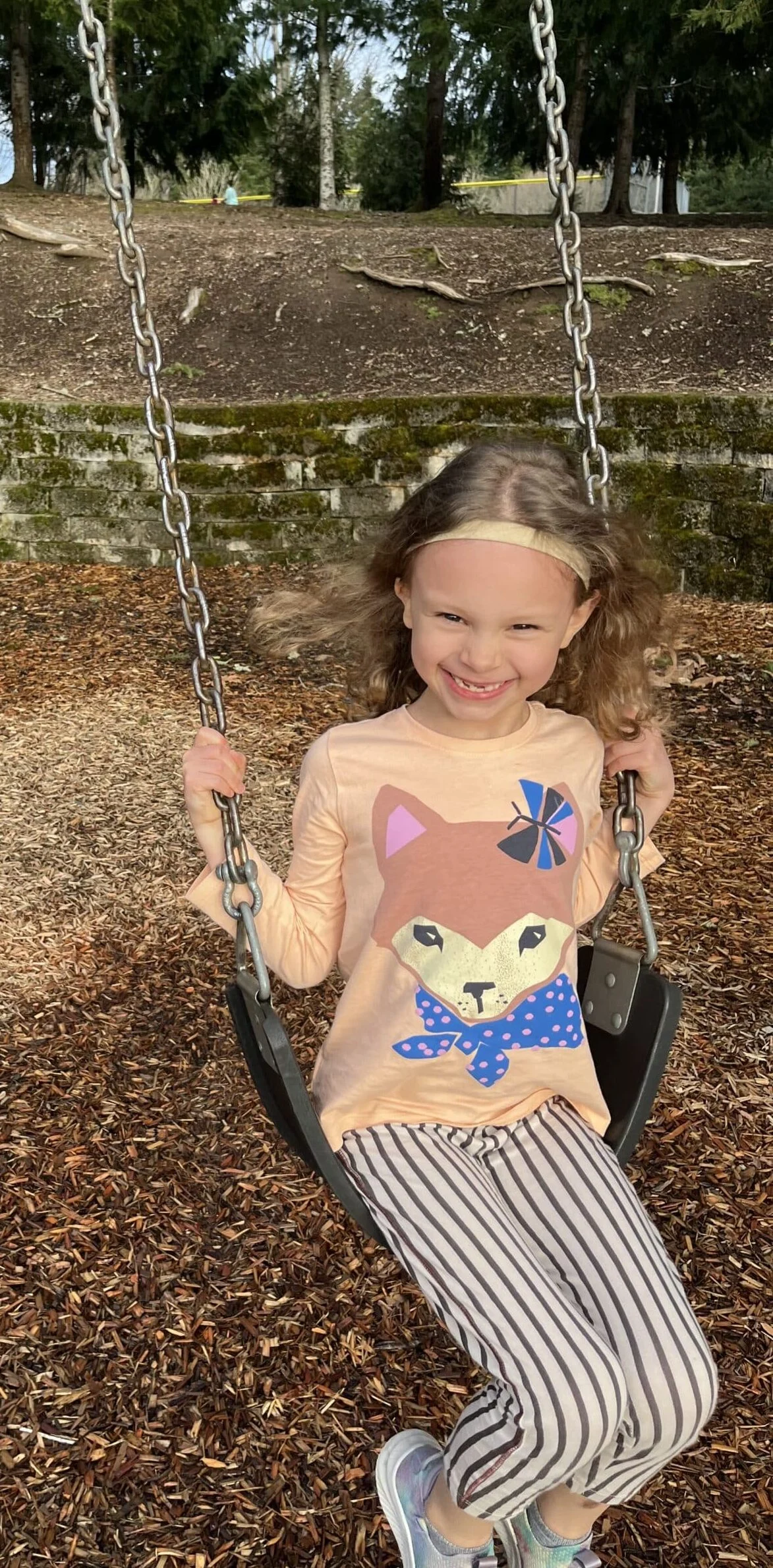
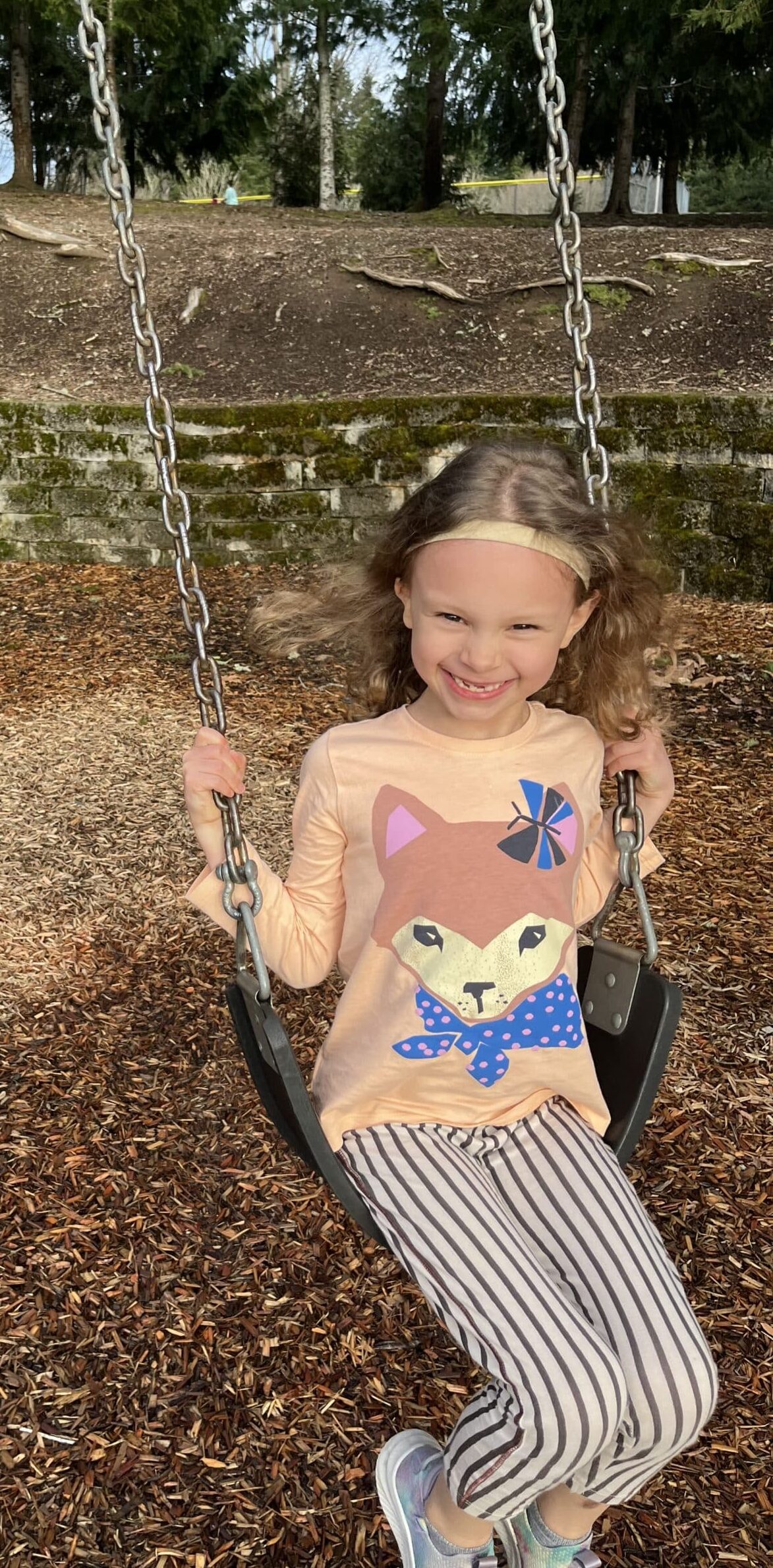
The early years—from birth to age three—are widely considered the "critical period" for neural plasticity, where the brain is most receptive to auditory input. In the case of Adeline, a young student who has navigated the challenges of MA, her diagnosis at five weeks of age served as the catalyst for immediate clinical intervention. By age four, diagnostic imaging confirmed the presence of solid bone where the ear canal should have been, a common complication of atresia. This clinical timeline illustrates the necessity of longitudinal care, moving from initial diagnosis to the fitting of specialized bone-anchored hearing systems (such as the Ponto device) and, ultimately, the transition into formal schooling.
The Science of Listening and Spoken Language (LSL)
As children with UHL grow, they frequently encounter "listening fatigue"—a state of exhaustion caused by the extra cognitive effort required to process speech in less-than-ideal conditions. Listening and Spoken Language (LSL) education has emerged as a primary evidence-based approach to mitigate these challenges. Unlike methodologies that rely solely on visual cues or sign language, LSL focuses on maximizing the child’s residual hearing to develop fluent spoken communication.
The LSL framework is built on several pillars:
- Auditory Access: Ensuring the child has consistent, high-quality access to sound through appropriate amplification technology.
- Environmental Modification: Teaching parents and educators how to optimize classroom acoustics, such as seating arrangements and noise reduction.
- Self-Advocacy Training: Equipping the child with the tools to communicate their specific needs, such as requesting a quieter environment or explaining their device to peers.
- Cognitive Load Management: Providing strategies to help children process information effectively without succumbing to the burnout associated with constant auditory vigilance.
Data-Driven Implications for Education
The broader impact of UHL on academic performance is supported by longitudinal data. Research published in journals such as Pediatrics has indicated that children with unilateral hearing loss are at a higher risk for language delays, lower academic achievement, and behavioral issues compared to their peers with typical hearing. Specifically, these students are more likely to require an Individualized Education Program (IEP) or 504 plan to secure necessary classroom accommodations.
The integration of LSL services within local communities, such as those provided by organizations like Listen and Talk, aims to close these achievement gaps. By coaching families to act as the primary facilitators of their child’s auditory development, LSL programs ensure that the clinical gains made in therapy sessions translate into the home and school environments.
Perspectives on Advocacy and Success
The transition from early diagnosis to thriving school-aged student is rarely a solo endeavor. It requires a robust support network involving audiologists, speech-language pathologists, educators, and, most importantly, informed parents.
Jessie, the mother of Adeline, notes that the process of becoming an advocate for her daughter was a learned skill. "Listen and Talk stepped in alongside our family as we were navigating a new diagnosis that we knew nothing about," she explains. "They gave us resources and information to inform our decision-making and helped us navigate confusing systems. Listen and Talk advocated for Adeline before we could find our voice to do so ourselves."
This advocacy is essential, as the social stigma surrounding physical differences—such as the appearance of a smaller ear or the use of a hearing device—can be as challenging as the hearing loss itself. Today, Adeline’s participation in school choir and her ability to articulate her needs to others serves as a metric for the success of early, intensive intervention. Her experience highlights a critical shift in the field: the focus is no longer just on "fixing" the hearing loss, but on empowering the child to operate confidently within their environment.
The Path Forward: Resources and Support
For parents receiving a new diagnosis of microtia atresia, the initial period can be overwhelming. However, professionals emphasize that the current landscape of assistive technology and therapeutic support is more advanced than at any point in history.
Crucial steps for families include:
- Early Audiological Consultation: Identifying the specific type and degree of loss to determine the best amplification technology.
- LSL Professional Engagement: Connecting with a Certified Listening and Spoken Language Specialist (LSLS) to begin tailored intervention.
- Community Connection: Joining organizations like Hands and Voices or the Ear Community to share experiences and access localized support networks.
- Educational Advocacy: Proactively communicating with school districts to ensure that the unique needs of a child with unilateral loss are recognized and supported through accommodations like sound-field systems or preferential seating.
Societal Impact and Future Sustainability
The sustainability of these essential services relies heavily on public and private support. As many LSL centers function as non-profit or social impact enterprises, the role of philanthropy in funding audiology testing, speech therapy, and parent education cannot be overstated.
The ultimate objective, as expressed by organizations in the field, is a future where "no child is limited by hearing loss." This vision requires a shift in how society perceives hearing differences. By fostering an environment that prioritizes early diagnosis, technological access, and the development of self-advocacy, the community can ensure that children with microtia atresia do not just survive, but thrive academically and socially.
National Microtia Atresia Awareness Day serves as more than just a calendar reminder; it is a call to action for educators, medical professionals, and the general public to foster inclusive environments where every child, regardless of their hearing status, has the opportunity to reach their full potential. Through the combination of rigorous clinical support and the cultivation of personal confidence, the narrative surrounding hearing loss is being rewritten, one student at a time.