Understanding Auditory Neuropathy Spectrum Disorder (ANSD)
Auditory Neuropathy Spectrum Disorder is a distinct hearing condition where the inner ear successfully detects sound, but the signal is not properly transmitted from the ear to the brain. Unlike sensorineural hearing loss, which is often associated with damage to the hair cells of the cochlea, ANSD typically involves the auditory nerve or the connection between the inner ear and the nerve.
Clinical data suggests that the presentation of ANSD is highly variable. Some children may experience mild to profound hearing loss, while others may have fluctuating hearing sensitivity. According to the National Institute on Deafness and Other Communication Disorders (NIDCD), this variability makes early, precise diagnosis essential. Because the auditory nerve’s timing is often affected, children with ANSD frequently struggle with speech perception—specifically in noisy environments—even if their pure-tone audiogram appears relatively stable.
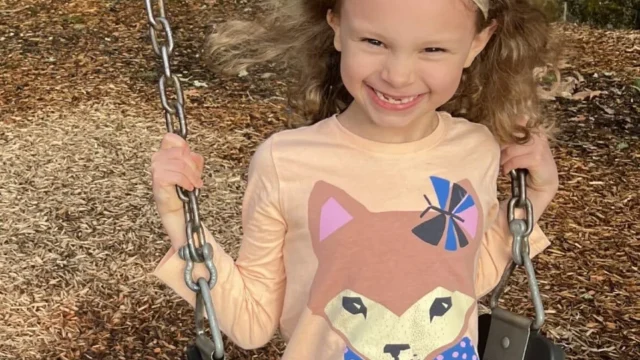
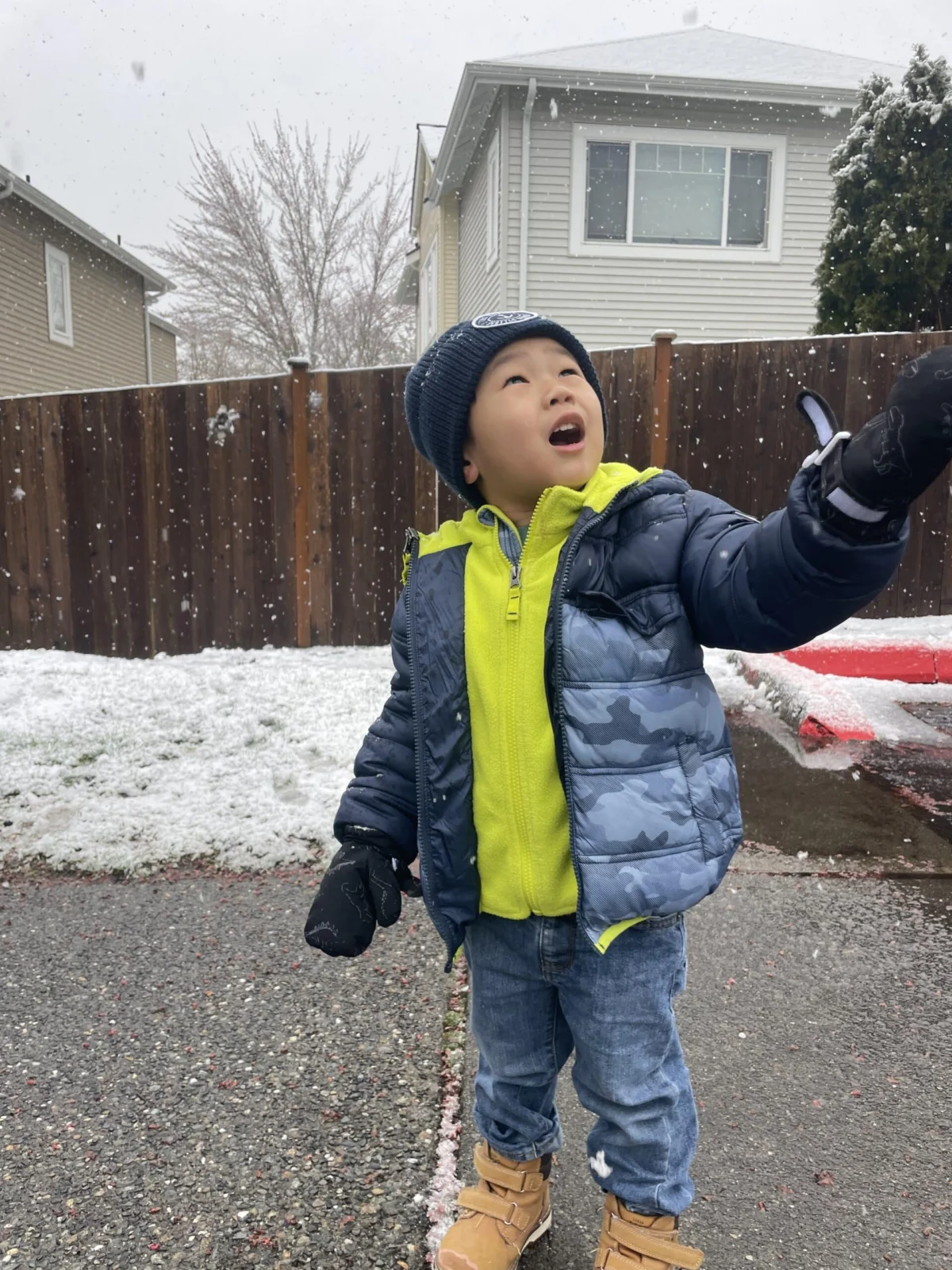
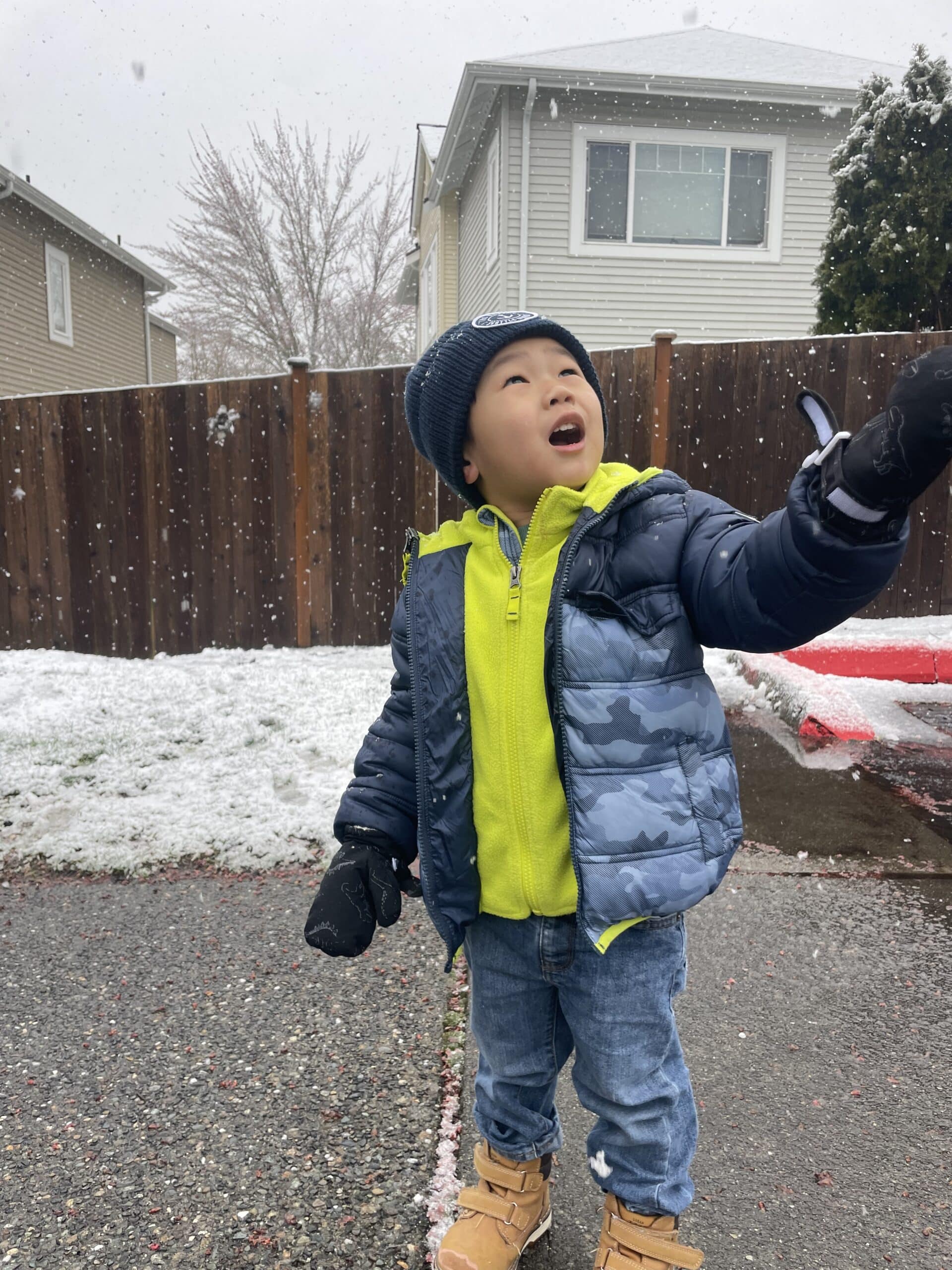
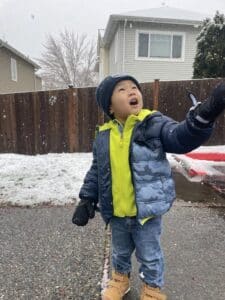
For young children like Raiden, whose journey serves as a case study for early intervention, the diagnosis arrived shortly after birth. This early detection provided the parents with the necessary lead time to secure appropriate amplification technologies, such as hearing aids, which serve as a bridge to stimulate the auditory pathways during the critical period of brain plasticity.
The Chronology of Early Intervention
The developmental timeline for a child with hearing loss is compressed. Research consistently indicates that children who receive intervention—including amplification and speech therapy—before six months of age demonstrate significantly better language outcomes compared to those who receive support later.
- Newborn Hearing Screening: The initial identification of hearing health, typically conducted in the hospital, serves as the first link in the diagnostic chain.
- Diagnostic Confirmation: Following a "refer" result on a newborn screening, comprehensive testing by pediatric audiologists confirms the specific nature of the hearing loss, such as ANSD.
- Amplification Fitting: Within the first few months, the implementation of hearing aids or cochlear implants is crucial to prevent auditory deprivation.
- Educational Placement: The transition to a specialized educational setting, such as a Blended Classroom, represents the next phase, where the child begins to integrate clinical support with social-emotional learning.
The Blended Classroom Model: A Shift in Educational Philosophy
The Blended Classroom program, a pedagogical model utilized by institutions like Listen & Talk, represents an innovative approach to early childhood education. By placing children with hearing loss in the same environment as typically hearing peers, the program creates an "auditory-rich" environment that simulates the realities of the broader world.
In a traditional classroom, a child with hearing loss might be isolated or solely reliant on one-on-one therapy. In the Blended model, the peer group acts as a linguistic scaffold. The presence of typically hearing children provides a natural, high-frequency, and varied linguistic environment, which encourages children with hearing loss to practice their expressive and receptive language skills in real-time.
Furthermore, these classrooms integrate advanced hearing amplification technologies, such as sound-field FM systems, which ensure that the teacher’s voice is distributed evenly throughout the room, reducing the cognitive load on students with auditory challenges. This technical infrastructure, combined with on-site audiological booths, allows for immediate adjustments to a student’s equipment, minimizing downtime in their educational progress.
Data-Driven Progress and Clinical Outcomes
The effectiveness of this integrated model is reflected in the rapid progress of students within the system. Longitudinal data from similar programs show that when children with hearing loss are exposed to consistent, high-quality auditory environments, they frequently close the "language gap" compared to their peers.
For instance, parents reported that in just a few months of enrollment, children transitioning from single-word vocalizations to complex, multi-word phrases show significant cognitive gains. This progress is attributed not only to the technology but to the focus on self-advocacy. By teaching children how to manage their hearing aids, identify when they need a quiet space, and articulate their communication needs to peers and teachers, these programs foster independence that will be vital as the children progress to mainstream K-12 schooling.
Advocacy as a Life Skill
The inclusion of self-advocacy training within early education is a relatively modern shift in special education. Previously, the focus was primarily on "fixing" the hearing loss; today, the focus has shifted to "empowering" the student. Advocacy training ensures that by the time a child enters elementary school, they are equipped to navigate environments where they may be the only student with a hearing device.
This involves:
- Device Management: Learning the mechanics of their hearing aids or cochlear implants.
- Social Communication: Developing the vocabulary to tell a teacher, "I need you to face me so I can read your lips," or "Please move to the front of the room."
- Confidence Building: Reducing the "ear defensiveness" that often occurs when children feel self-conscious about their devices.
Broader Impact and Economic Implications
The societal implications of successful early intervention are vast. Investing in the early years of a child with hearing loss reduces the long-term reliance on remedial services later in life. When a child reaches kindergarten with age-appropriate language skills, their academic trajectory is fundamentally altered. They are more likely to succeed in general education classrooms, pursue higher education, and participate fully in the workforce.
However, the accessibility of such programs remains a challenge. For many families, the logistical burden—such as long commutes—can be a barrier to entry. This is why many non-profit educational models rely on a social impact enterprise approach, where private donations, grants, and community support subsidize the high costs of specialized audiological equipment and highly trained staff.
The Role of Philanthropy in Sustaining Specialized Services
The ongoing success of programs like those provided by Listen & Talk is heavily dependent on sustainable funding streams. Because the cost of providing individual speech therapy, on-site audiology, and specialized early education exceeds the standard tuition models of traditional preschools, philanthropic support is essential.
Donations serve a direct, functional purpose. They fund:
- Pediatric Audiology Services: Providing testing and calibration that might otherwise be prohibitively expensive.
- Parent Education: Training families to continue the "auditory-rich" environment at home, which is where the majority of language acquisition occurs.
- Technological Upgrades: Ensuring that children have access to the latest amplification advancements.
Conclusion: A Vision for the Future
The evolution of early intervention for children with hearing loss is moving toward a future where the limitation of a diagnosis is increasingly mitigated by the quality of the support system. As evidenced by the progress of children in the Blended Classroom, the combination of clinical excellence, early technological intervention, and a focus on self-advocacy creates a robust foundation for success.
The vision that "no child is limited by hearing loss" remains the guiding principle for advocates and educators in this field. By continuing to prioritize the integration of social and clinical services, communities can ensure that the next generation of children—regardless of their initial auditory challenges—has the necessary tools to communicate, learn, and thrive in an increasingly complex world. The ongoing commitment from families, donors, and educational institutions is the cornerstone of this progress, transforming a complex medical diagnosis into a manageable aspect of a child’s unique and successful development.