
The regulatory alert serves as a stark reminder that the modern kitchen’s aesthetic appeal comes at a hidden, and potentially fatal, cost for the laborers tasked with crafting these surfaces. Unlike traditional stone, engineered stone is manufactured by crushing natural quartz and binding it with resins, resulting in a product that can contain upwards of 90 percent silica, compared to the lower concentrations found in granite or marble.
The Mechanism of Injury: Understanding Silica Exposure
To grasp the severity of the crisis, one must understand the physics of the hazard. When engineered stone is processed, the mechanical action of blades and polishing pads pulverizes the material into respirable crystalline silica—particles so small that they are invisible to the naked eye. Once inhaled, these particles travel deep into the lung’s alveolar sacs. Because the body cannot break down or excrete silica, the immune system responds by attempting to wall off the particles, leading to chronic inflammation and the formation of scar tissue.

This process, known as fibrosis, stiffens the lungs and progressively impairs gas exchange, making it increasingly difficult for the worker to breathe. Silicosis is often progressive; even after the worker is removed from the exposure source, the disease may continue to advance, eventually leading to respiratory failure. There is currently no cure for the condition, and in severe cases, the only treatment option is a lung transplant.
A Chronology of Growing Concern
The rise of the engineered stone industry over the past two decades has mirrored a parallel, albeit lagging, rise in occupational health concerns. The trajectory of this health crisis can be broken down into several key phases:

- Market Proliferation (2000–2010): Engineered stone gained widespread market share due to its durability, stain resistance, and color consistency. During this period, the health risks associated with the high silica content of these specific products were largely overlooked by the broader construction industry.
- Emerging Global Data (2010–2018): Reports of clusters of silicosis cases began to surface in countries like Australia, Israel, and Spain, where workers in small-to-medium-sized fabrication shops were being diagnosed with advanced lung disease at unusually young ages.
- Domestic Recognition (2019–2023): The United States saw a surge in identified cases, prompting federal agencies like OSHA to increase scrutiny. Investigations in states like California and Texas revealed that small fabrication shops were frequently operating without the sophisticated dust-suppression technology required to manage silica levels.
- Regulatory Intervention (2024–2026): Washington’s recent alert marks a decisive shift from passive guidance to proactive enforcement. State regulators are now mandating that employers treat silica dust as an immediate, life-threatening hazard, requiring a fundamental shift in workplace culture.
Comparative Material Risks
State health authorities are explicitly recommending a transition away from high-silica engineered stone toward safer alternatives. This recommendation is based on the comparative silica content of various common surfacing materials:
- Engineered Stone (High Risk): Contains 80–95% crystalline silica. These products require the most stringent industrial hygiene controls.
- Natural Stone (Moderate Risk): Granite contains roughly 20–40% silica, while marble and limestone contain significantly less, though still enough to require standard dust mitigation practices.
- Low-Risk Alternatives: Materials such as porcelain, ceramic tile, wood, butcher block, and concrete (if properly treated) offer lower silica profiles. Porcelain, in particular, is being highlighted by health experts as an aesthetically pleasing, durable alternative that poses a fraction of the respiratory risk.
Engineering Controls vs. Administrative Measures
The L&I directive clarifies that Personal Protective Equipment (PPE) is a "last resort" rather than a primary defense. The agency emphasizes the "Hierarchy of Controls," a standard framework in occupational health that prioritizes the elimination of the hazard over the use of protective gear.

Engineering Controls: These are the most effective means of protection. They include:
- Wet-Cutting Systems: Using water jets or integrated water feeds on saws and routers to suppress dust at the point of origin.
- Negative-Pressure Enclosures: Isolating the cutting area and utilizing HEPA-filtered ventilation to ensure that dust-laden air is captured before it can reach the breathing zone of workers.
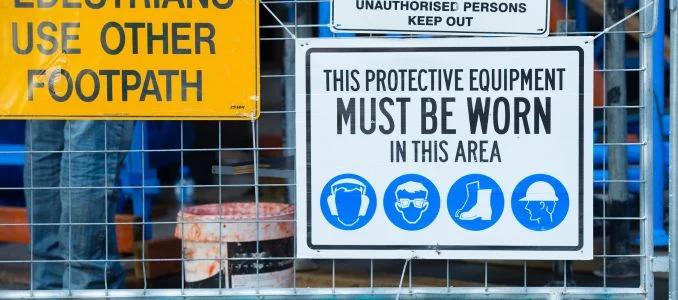
Administrative Measures: These controls focus on behavioral changes. Employers are now required to implement daily, non-dry-sweeping cleaning protocols. Dry sweeping or using compressed air to clean dusty surfaces is strictly prohibited, as it causes settled dust to become airborne again, creating a secondary exposure hazard. Furthermore, mandatory signage must be placed throughout facilities to ensure that all workers are aware of the risks and the necessity of proper hygiene protocols.

PPE Requirements: Beyond the N95
One of the most critical aspects of the Washington state alert is the clarification regarding respiratory protection. Standard N95 masks, commonly seen in residential construction, are entirely inadequate for the high concentrations of silica dust generated in a professional fabrication shop.
L&I mandates the use of tight-fitting, powered air-purifying respirators (PAPRs) or continuous-flow air-line systems. These devices must provide an assigned protection factor (APF) of at least 1,000. Combined with high-efficiency particulate air (HEPA) filtration, these systems provide a physical barrier between the worker and the environment. Additionally, workers must utilize disposable coveralls to prevent silica dust from being carried home on clothing, which can create secondary exposure risks for the worker’s family.

Medical Surveillance and Legal Recourse
Employers in Washington are now under a strict legal obligation to provide medical surveillance for any employee exposed to silica at or above the "action level" of 25 micrograms per cubic meter of air over an eight-hour shift. This surveillance includes regular pulmonary function tests and chest X-rays conducted by trained professionals.
Furthermore, the state has streamlined the process for workers to file workers’ compensation claims. Any employee who suspects they have been exposed to hazardous levels of silica dust is encouraged to seek a medical evaluation immediately. The state covers the costs of these evaluations, bypassing the need for private insurance deductibles, and ensures that the financial burden of diagnosis does not fall on the worker.

Broader Industry Implications
The implications of this alert extend far beyond Washington’s borders. As state health departments share data, it is expected that a national standard will continue to evolve, placing increased liability on employers who fail to maintain safe environments.
For the countertop industry, the challenge is twofold: they must manage the immediate health crisis among current employees while simultaneously re-evaluating their supply chains. Major distributors are already facing pressure to provide clearer labeling regarding the silica content of their products. Industry analysts suggest that the market may see a shift toward "low-silica" engineered stones or a resurgence in the use of natural, sustainable materials.

Ultimately, the Washington Department of Labor & Industries’ alert is a pivot point for the construction sector. It signals that the era of "blind fabrication"—where aesthetics were prioritized over the long-term health of the workforce—has come to an end. For the fabricator, the message is clear: the cost of compliance, while significant, is a fraction of the human and legal cost of a preventable disease. Ensuring a safe workplace is no longer just a regulatory requirement; it is a fundamental ethical imperative for an industry whose foundation has long been built on stone, but whose future must be built on the safety of its workers.