

A Timeline of Onset and Early Struggles
The onset of Moorley’s tinnitus occurred in tandem with a severe dental issue around her 18th birthday. Medical literature often notes that tinnitus can be triggered or exacerbated by dental problems, particularly those affecting the temporomandibular joint (TMJ) or severe localized inflammation. For Moorley, the transition from silence to a persistent, uncontrollable ringing was abrupt.
In the immediate aftermath, the psychological impact was significant. The early years of her diagnosis were characterized by sleep deprivation, diminished energy, and a pervasive sense of being trapped. At 18, an age typically associated with transition and exploration, the sudden onset of a chronic condition created a substantial barrier to her quality of life. The clinical challenge was compounded by a lack of specialized guidance from healthcare providers, a common hurdle for patients navigating the initial phase of tinnitus diagnosis.

The Clinical Landscape of Tinnitus Management
Tinnitus is not a disease in itself but rather a symptom of an underlying condition or a manifestation of the auditory system’s response to damage or distress. According to global health data, approximately 10% to 15% of the adult population experiences some form of tinnitus. While many find that the sound fades or becomes manageable over time, a significant subset—estimated at 1% to 3% of the population—finds the condition severely impacts their daily quality of life, leading to anxiety, depression, and social withdrawal.
Moorley’s experience reflects a common gap in the healthcare system: the disparity between the prevalence of the condition and the availability of specialized, multidisciplinary support. When she eventually sought assistance, the primary intervention offered was Cognitive Behavioural Therapy (CBT).
CBT for tinnitus does not aim to eliminate the sound itself but rather to alter the patient’s cognitive and emotional response to it. By addressing the "fight or flight" stress response that often exacerbates the perception of tinnitus, patients can learn to "habituate," or effectively relegate the sound to the background of their consciousness. Moorley’s successful integration of stress management techniques demonstrates the efficacy of this approach when properly supported.
The Role of Advocacy and Support Organizations
As Moorley began her journey toward management, she turned to Tinnitus UK, a national charity dedicated to providing resources, advocacy, and research support for those affected by the condition. The organization operates as a focal point for the tinnitus community, bridging the gap between clinical care and peer-to-peer support.
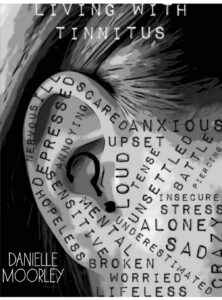
For many, the initial point of contact with an organization like Tinnitus UK acts as a crucial intervention. The helpline services provide not only practical advice but also validation. In a clinical setting, patients often report that healthcare professionals, while technically proficient, may lack the capacity to address the profound emotional distress caused by the condition. By contrast, specialized support groups foster an environment where individuals can discuss their symptoms without the fear of judgment or the feeling that they are a burden to their peers.
Psychological and Social Implications
The transition from isolation to community participation is a pivotal stage in long-term tinnitus management. For years, Moorley found that social settings—such as concerts or large gatherings—were triggers for dizziness and distress. This is a common phenomenon; environmental noise can sometimes interact with tinnitus, or the anxiety regarding the potential worsening of symptoms can lead to physical manifestations of discomfort.
Through the implementation of strategies learned from support services and the backing of a social network, Moorley has successfully returned to these activities. This shift is illustrative of the "re-engagement" phase of treatment, where patients move from a state of avoidance—limiting their activities to prevent symptom flare-ups—to a state of active management, where they can navigate environments with confidence.
Membership and the Power of Collective Advocacy
Moorley’s decision to become a formal member of Tinnitus UK highlights the shift from a "patient" role to that of an "advocate." Membership-based organizations serve several vital functions:

- Resource Consolidation: Providing members with the latest research on potential treatments, such as sound therapies, hearing aids, and emerging medical interventions.
- Community Building: Creating a platform for shared experience, which is essential for reducing the stigma associated with the condition.
- Research Funding: By supporting charities, members directly contribute to the push for a deeper understanding of the neurological mechanisms behind tinnitus, with the long-term goal of discovering a definitive cure.
For Moorley, the membership is not merely about receiving support but about contributing to a broader ecosystem. Being part of a community that understands the nuances of tinnitus—such as the frustration of "invisible" symptoms—provides a level of psychological comfort that is difficult to replicate elsewhere.
Broader Impact on Public Health
The narrative provided by Moorley underscores the urgent need for systemic changes in how tinnitus is handled within the National Health Service and other global healthcare frameworks. The fact that her early experience was marked by a lack of support highlights the necessity for better training for primary care practitioners. If frontline healthcare workers were better equipped to provide immediate, evidence-based coping strategies and referrals to tinnitus-specific organizations, the long-term psychological burden on patients could be significantly reduced.
Furthermore, the emphasis on research within the tinnitus community is a growing priority. Scientists are currently exploring various avenues, including neurostimulation, pharmacological interventions, and advanced masking technologies. While a "cure" remains elusive, the pace of research is accelerating, driven in no small part by the advocacy of organizations like Tinnitus UK and the lived experiences of members like Moorley.
Conclusion: A Path Forward
The journey of living with tinnitus is often defined by the tension between the physical sensation and the individual’s ability to minimize its impact on their life. Danielle Moorley’s story is a testament to the fact that while tinnitus may remain, its power to dictate the boundaries of one’s life can be diminished through education, CBT, and community support.

Her transition from a state of being overwhelmed and isolated to becoming an active, empowered member of a dedicated support network serves as a roadmap for others currently in the early stages of their diagnosis. As the medical and scientific community continues to explore new avenues for treatment, the importance of these support structures remains paramount. For those currently feeling the weight of the ringing, the primary takeaway is clear: the experience, while unique to the individual, does not have to be faced in isolation. Accessing the right information and connecting with a community of peers remains the most effective bridge to regaining control and moving forward.