
The Evolution of Tinnitus Support: A Historical Context
The history of tinnitus advocacy in the UK has evolved from localized, fragmented support groups into a cohesive national effort. For decades, individuals living with tinnitus often faced isolation, as the condition remained poorly understood by the broader medical community. The founding of the British Tinnitus Association (now operating as Tinnitus UK) marked a pivot toward professionalized support.
Historically, the organization focused on telephone helplines and printed literature. However, the post-pandemic era necessitated a digital transformation. By 2026, the organization’s strategy shifted toward a membership-based model that prioritizes digital accessibility—webinars, online archives, and interactive newsletters—ensuring that support is not geographically constrained. This transition reflects a broader trend in health advocacy, where non-profits are moving toward sustainable funding models that simultaneously offer high-value services to stakeholders.
Membership Pillars: A Breakdown of Benefits
The current membership package is structured to address the holistic needs of individuals living with tinnitus, focusing on education, community, and representation.
1. The Welcome Pack and Educational Foundation
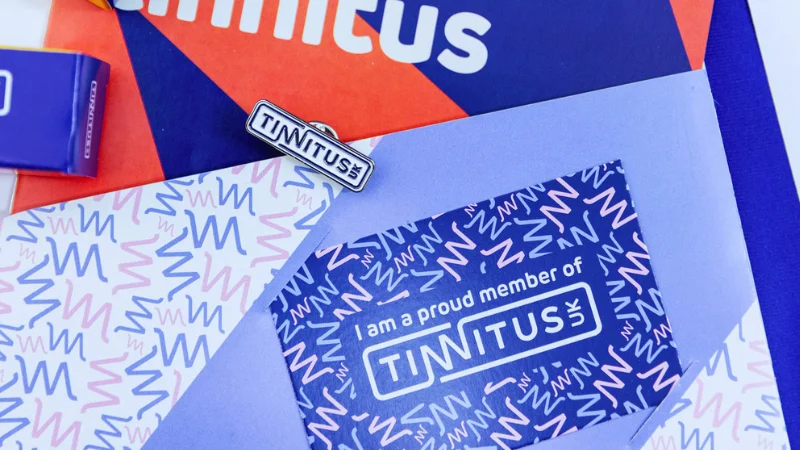
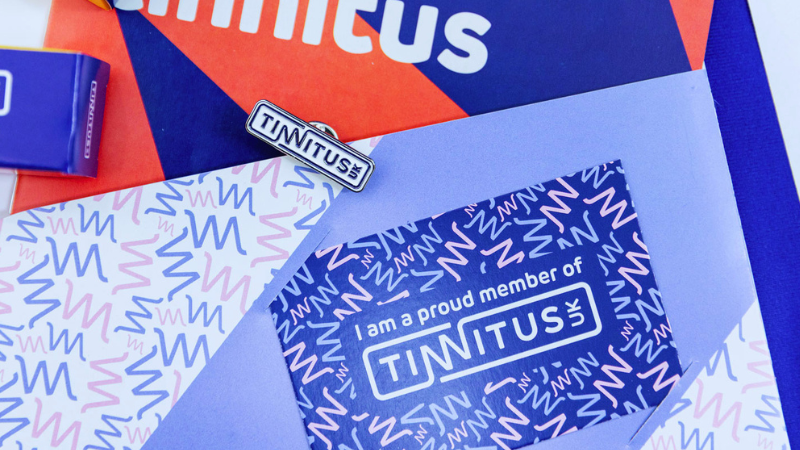
Upon joining, new members receive a physical welcome kit, which serves as a tangible anchor for their membership. This includes a personalized welcome letter, an official Tinnitus UK pin badge, and the core resource: the "Living with Tinnitus" guide. Data suggests that patients who are well-informed about the mechanism of their condition experience lower levels of psychological distress. The inclusion of this guide is a strategic attempt to provide foundational knowledge that helps patients move from initial diagnosis—which can be a period of high anxiety—to active self-management.
2. Expert-Led Digital Engagement
One of the most significant upgrades to the membership experience is the access to live, exclusive webinars. These sessions are hosted by leading audiologists, psychologists, and neuroscientists specializing in auditory conditions. Unlike public-facing information, these sessions allow for a two-way dialogue, enabling members to pose direct questions to experts. This access to specialized knowledge is particularly valuable given the current strain on the National Health Service (NHS), where wait times for specialized ENT (Ear, Nose, and Throat) consultations can often exceed several months. By providing a direct line to expertise, Tinnitus UK functions as an essential supplementary support structure.
3. QUIET Magazine: Research and Narrative
The organization’s flagship publication, QUIET magazine, serves as a bridge between academic research and patient experience. The magazine acts as a repository for ongoing clinical trials, pharmaceutical developments, and innovative therapy techniques. By providing both the latest edition and a comprehensive digital archive, Tinnitus UK offers members a longitudinal view of how the field is changing. This is crucial for long-term patients who may be seeking updates on potential breakthrough treatments, such as nerve stimulation therapies or advanced hearing aid technology.
4. The Monthly FOCUS Newsletter
Information dissemination remains a core function of the charity. The monthly FOCUS newsletter is segmented to provide general interest news alongside specialized content for healthcare professionals. For the layperson, it tracks breakthroughs in tinnitus-related research. For the professional, it serves as a Continuing Professional Development (CPD) resource, keeping audiologists and GPs informed of the latest best practices. This dual-purpose strategy acknowledges that effective tinnitus management requires a collaborative effort between the patient and the healthcare provider.

5. Democratic Participation: The Annual General Meeting (AGM)
Perhaps the most distinctive aspect of the Tinnitus UK membership is the right to vote in the Annual General Meeting. In the non-profit sector, member-driven governance is vital for ensuring that the organization remains accountable to the people it serves. By participating in the AGM, members have a say in the organization’s strategic priorities, including how research funding is allocated and which advocacy campaigns the charity should pursue in the corridors of Westminster.
Supporting Data and Prevalence
The necessity for such a robust support system is highlighted by current epidemiological data. According to recent public health reports, tinnitus is often comorbid with hearing loss and hyperacusis. In the UK, the economic burden of tinnitus—measured in lost productivity and healthcare utilization—reaches into the billions of pounds annually.
A significant portion of the population reporting tinnitus also suffers from sleep disturbances, anxiety, and depression. Tinnitus UK’s initiative to provide structured resources is supported by clinical studies indicating that "cognitive-behavioral" approaches and patient education are the most effective non-invasive methods for managing the condition’s impact. The membership program acts as a centralized delivery vehicle for these evidence-based strategies.

Official Perspectives and Institutional Aims
While the organization has not released specific internal growth targets, the leadership at Tinnitus UK has frequently emphasized the importance of "collective strength." By consolidating the voices of thousands of individuals, the charity can more effectively lobby the government for increased research funding.
Industry analysts observe that organizations like Tinnitus UK are increasingly adopting a "patient-as-partner" model. By shifting from a service-provider relationship to a member-partnership, the charity fosters a stronger sense of ownership among its base. This is reflected in the official stance that a "world without tinnitus" is an attainable goal, provided that research, awareness, and patient support are adequately synchronized.
Implications for the Future of Tinnitus Research
The broader implications of this membership drive extend beyond the individual. By creating a database of engaged, informed individuals, Tinnitus UK is better positioned to facilitate clinical trials. Researchers often struggle to find consistent, informed participants for studies on new therapies. A committed membership base represents a ready-to-engage cohort, potentially accelerating the speed at which new treatments can move from the laboratory to clinical practice.

Furthermore, the professionalization of the newsletter and the engagement of clinical experts suggest that Tinnitus UK is positioning itself as the primary standard-bearer for tinnitus care in the UK. As the organization grows, its influence on national health policy is likely to increase, potentially leading to more specialized tinnitus clinics and improved training for general practitioners who are often the first point of contact for patients.
Conclusion: A Call to Action
The £30 annual membership fee is positioned as an investment in both personal well-being and the broader research ecosystem. In an era where healthcare information is often contradictory or unreliable, Tinnitus UK offers a vetted, science-backed alternative. For the individual, the benefits—ranging from expert access to the ability to influence organizational policy—provide a structured path through a condition that is otherwise characterized by its unpredictability.
As the charity looks toward the coming years, the expansion of its membership program will likely serve as the bedrock for future advancements. Whether through the dissemination of critical research, the hosting of life-changing expert sessions, or the democratic involvement of its members in shaping the charity’s direction, Tinnitus UK remains the central pillar for those seeking to mitigate the impact of tinnitus while simultaneously working toward a permanent, research-driven solution. Membership, therefore, is not merely a subscription to a service; it is a commitment to a vision of a quieter future.