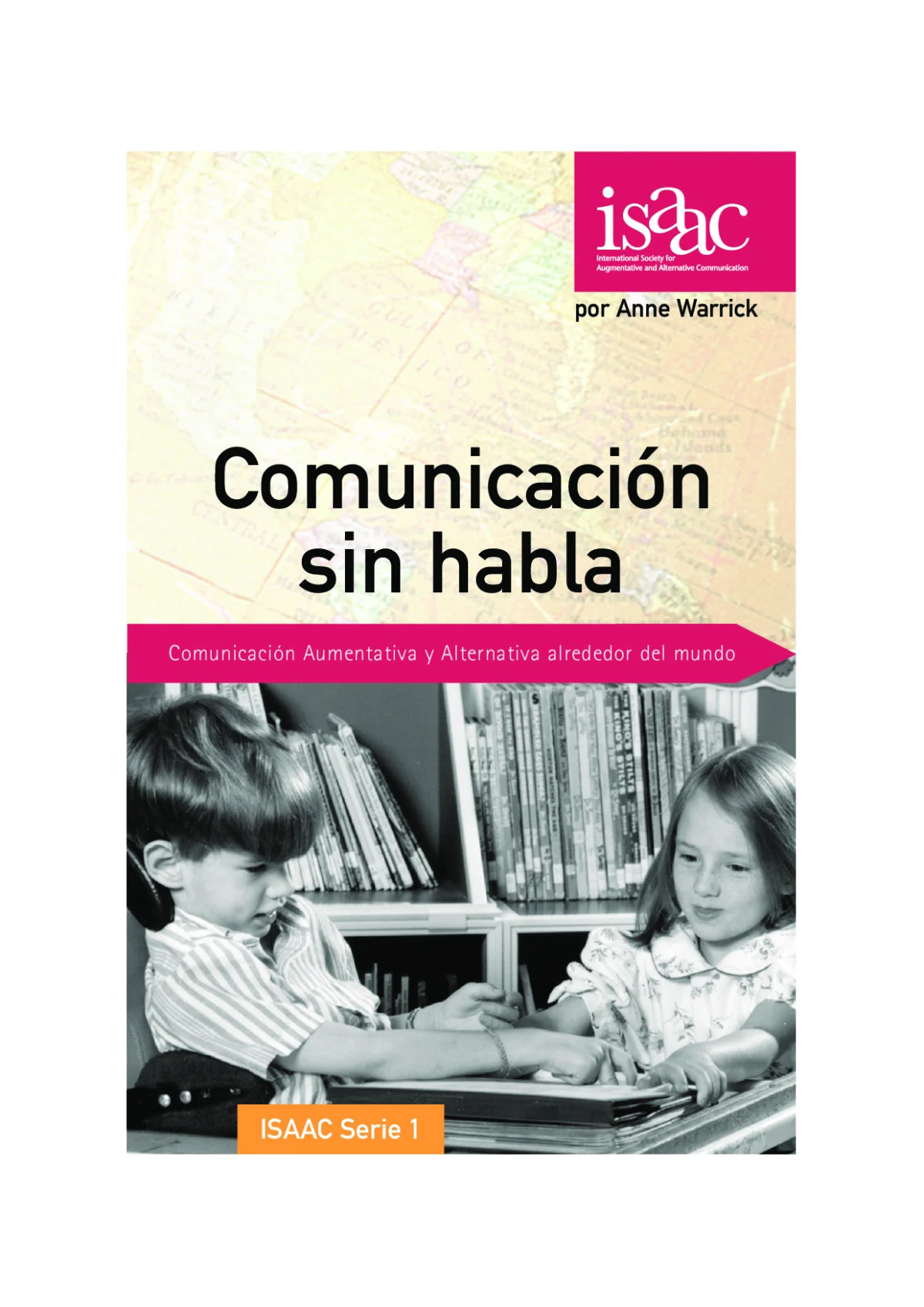
The Historical Context of International Book Day and Literacy
International Book Day, celebrated annually on April 23 under the auspices of UNESCO, commemorates the legacy of literature and the promotion of reading. For the AAC community, the date provides a strategic window to highlight the "literacy gap" that often affects individuals who rely on symbolic communication. Research consistently shows that individuals with severe speech and physical impairments (SSPI) are frequently excluded from traditional literacy instruction due to misconceptions regarding their cognitive potential. By focusing on the acquisition of academic and clinical knowledge in the native language of the practitioner and the end-user, stakeholders are working to dismantle these systemic barriers.
Chronology of AAC Literature Development
The evolution of AAC literature can be categorized into three distinct phases. The initial phase, spanning the 1970s and 1980s, was characterized by the development of foundational frameworks for non-speech communication. During this era, most research was confined to English-language journals and manuals, limiting the reach of intervention strategies in non-English speaking regions.
The second phase, occurring throughout the 1990s and early 2000s, saw the formalization of AAC as a distinct clinical discipline. This period brought about the publication of seminal texts that defined assessment protocols and device implementation. However, the linguistic barrier remained stark, as many clinicians in Latin America, Europe, and Asia were forced to rely on secondary interpretations or incomplete translations of core concepts.
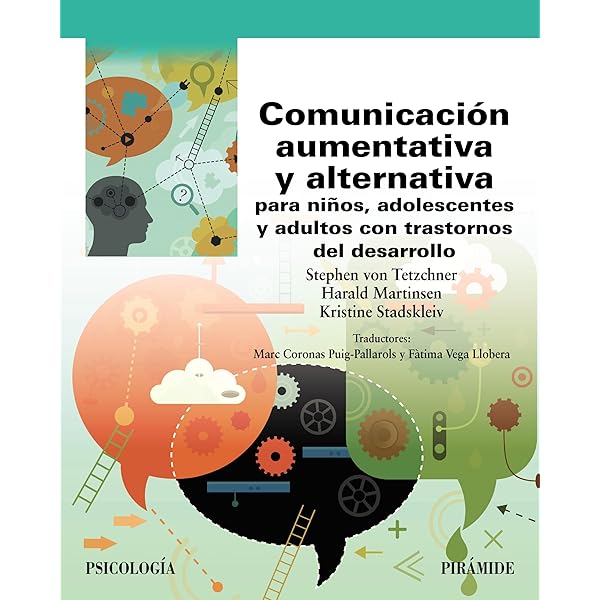
The current, third phase—which defines the contemporary landscape—is marked by a deliberate push toward global localization. This involves not only the translation of technical manuals but the cultural adaptation of clinical methodologies. The recent publication of Augmentative and Alternative Communication for Children, Adolescents and Adults with Developmental Disorders, authored by Stephen von Tetzchner, Harald Martinsen, and Kristine Stadskleiv, represents the pinnacle of this movement. Its recent availability in Spanish signals a shift in how global publishers view the market for specialized disability literature, acknowledging the vast, underserved population of Spanish-speaking professionals and caregivers.
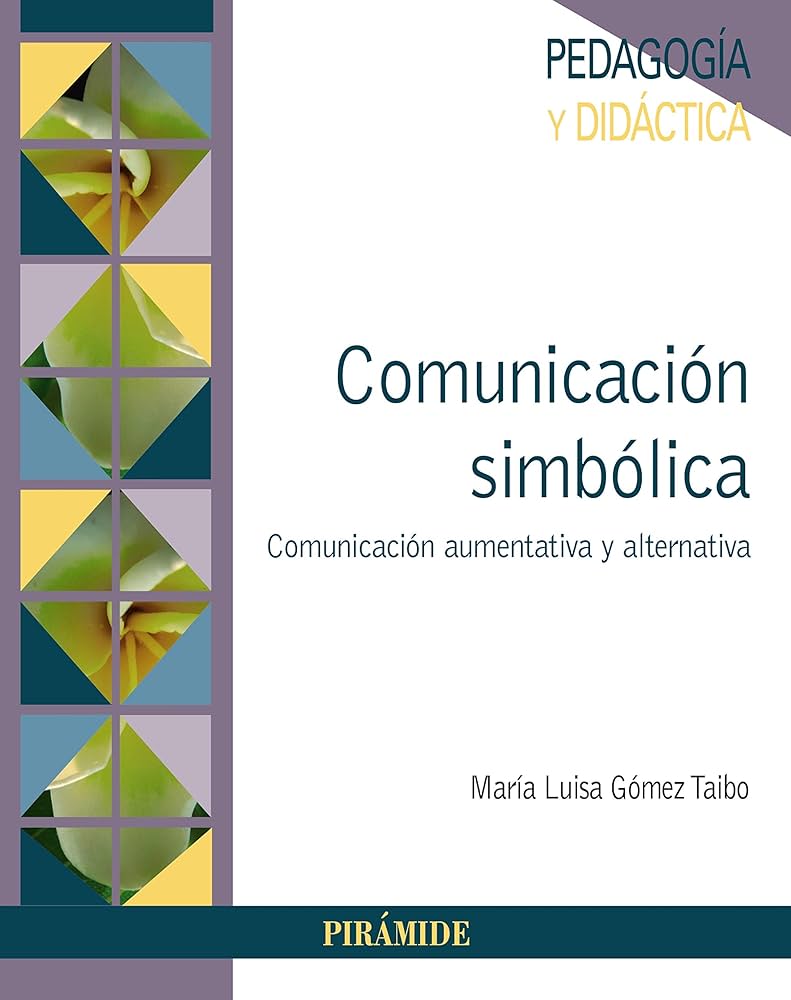
Supporting Data on the Need for Localized AAC Resources
Data from global health initiatives underscores the urgency of this literary expansion. The World Health Organization (WHO) estimates that approximately 15% of the world’s population lives with some form of disability, with a significant subset requiring AAC to participate in society. In the Latin American context, while the prevalence of neurodevelopmental disorders aligns with global averages, the availability of specialized training materials is disproportionately lower.
Studies conducted by international disability advocacy groups indicate that:
- Over 60% of clinicians in developing regions cite "lack of available academic materials in the primary language" as the primary obstacle to implementing evidence-based AAC practices.
- The gap in professional training directly correlates to the quality of intervention, with patients in regions lacking translated literature experiencing a 40% higher rate of "abandonment" of assistive devices compared to those in regions with robust, native-language support systems.
- Public policy initiatives that mandate the translation of educational and therapeutic resources have been shown to increase user engagement with AAC technologies by approximately 25% within a three-year implementation window.
Official Perspectives and Stakeholder Reactions
The efforts to bridge this gap are largely supported by organizations such as ISAAC, which has consistently advocated for the localization of its training modules. Claudia Marimón, a leading voice in the promotion of AAC within Spanish-speaking regions, emphasizes that the accessibility of literature is not merely an academic concern but a prerequisite for clinical excellence.

"The availability of authoritative texts in Spanish represents a fundamental shift in the standard of care," noted a spokesperson for a regional clinical advocacy board. "When a therapist, teacher, or family member can access a text that explains complex intervention strategies in their own language, the result is a direct, measurable improvement in the individual’s communicative outcomes."
Industry observers suggest that this trend is likely to continue as digital publishing lowers the cost of entry for specialized translations. The integration of "hybrid" resources—which combine physical books with digital, interactive AAC tools—is also expected to gain traction in the coming years.
Broader Implications for Global Inclusive Practices
The implications of this literary expansion extend far beyond the classroom or the clinic. By equipping Spanish-speaking professionals with the same evidence-based frameworks utilized by their international counterparts, the global AAC community is effectively standardizing the quality of care.
- Standardization of Practice: Consistent terminology and methodology across borders allow for better collaboration in international research and clinical trials.
- Economic Efficiency: Providing high-quality training materials in the practitioner’s native language reduces the need for expensive, foreign-led consulting and training seminars, allowing for more sustainable local development.
- Human Rights Alignment: Article 24 of the UN Convention on the Rights of Persons with Disabilities mandates that states ensure access to information in accessible formats. The translation of academic AAC literature is a direct, practical application of this mandate, ensuring that the right to communicate is supported by the right to informed, professional intervention.
Future Outlook and Conclusion
As the field moves forward, the focus must shift from merely translating existing texts to fostering indigenous scholarship. While the translation of works by authors like von Tetzchner is vital, the next step involves documenting and publishing the unique experiences and innovations occurring within Spanish-speaking regions.
The celebration of International Book Day serves as a reminder that knowledge is the most effective tool for inclusion. For the thousands of professionals, educators, and families currently navigating the complexities of AAC, the growth of a robust, localized library is not just a trend—it is the foundation upon which more equitable, effective, and human-centered communication practices will be built. The continued effort to make these resources available is an essential component of building a more inclusive global society where every voice, regardless of the language it is spoken in, has the tools and support to be heard.