
A Legacy of Leadership: The Evolution of the Congress
The NSC Safety Congress & Expo is not merely an annual trade show; it is the culmination of over a century of advocacy. Since its inception, the National Safety Council has operated under a congressional charter to promote health and safety in the United States. The Congress itself has grown from a small assembly of industrial safety advocates in the early 20th century to a massive, multi-day technical conference.
Each year, the event serves as a barometer for the state of occupational safety. In recent decades, the focus has shifted from simple mechanical safeguarding to a holistic approach encompassing mental health, psychological safety, and the integration of sophisticated digital ecosystems. By convening in Indianapolis, the 2026 edition continues this trajectory, offering a comprehensive look at the intersection of human performance and technological advancement.
The Technological Frontier: From Reactive to Predictive
At the heart of this year’s exhibition is the paradigm shift from reactive safety—addressing incidents after they occur—to predictive safety, where data analytics and artificial intelligence (AI) identify hazards before they manifest as injuries.
The Safety Technology Pavilion has emerged as the focal point of this transformation. Among the most closely watched segments is the Work to Zero Safety Innovation Challenge. This initiative, designed to foster creative solutions to hazardous energy risks, represents a critical step in the NSC’s broader goal of eliminating workplace fatalities. The competition encourages startups and established firms alike to demonstrate how emerging tools—such as Internet of Things (IoT) sensors, wearable health monitors, and predictive modeling software—can be integrated into existing workflows to protect employees in real-time.

"Every year, the Expo floor allows attendees to experience the latest developments and innovations in safety," notes Necoya Tyson, senior director of conventions at the National Safety Council. "With more than 1,000 exhibitors, safety professionals have the opportunity to see how advancements in research, technology, and solutions are translating into practice and helping organizations identify risks, prevent injuries, and champion employee safety."
Data-Driven Safety: The New Standard
The importance of data in safety management cannot be overstated. According to the U.S. Bureau of Labor Statistics (BLS), private industry employers reported millions of nonfatal workplace injuries and illnesses annually. Addressing these figures requires more than just compliance; it requires the intelligent application of data.
At the Expo, attendees are increasingly focusing on the integration of connected worker systems. These systems provide management with real-time visibility into environmental hazards, such as toxic gas exposure or thermal stress, while also monitoring the physical well-being of the workforce. By synthesizing this data, safety managers can make informed decisions that optimize protective gear, adjust work rotations, and mitigate risks associated with fatigue and ergonomic strain.

"Many attendees are learning more about ways to help predict possible hazards, effectively integrate data analytics, champion employee engagement, and ultimately prevent incidents before they happen," Tyson added. This shift marks a departure from traditional safety training, moving toward a dynamic model where technology serves as a constant, proactive monitor.
Educational Programming and Technical Depth
While the Expo floor provides a visual showcase of innovation, the educational program provides the technical foundation. The 2026 schedule features more than 130 technical sessions, ranging from high-level management strategy to the intricacies of industrial hygiene.
These sessions are categorized to address the multi-faceted nature of modern safety:

- Leadership and Culture: Exploring how organizational climate dictates safety outcomes.
- Industrial Hygiene: Addressing long-term health risks through better ventilation, chemical management, and exposure tracking.
- Human and Organizational Performance (HOP): Analyzing the "human factor" and designing systems that are resilient to human error.
- Emerging Technologies: Assessing the ethical and practical implications of deploying AI and robotics in hazardous environments.
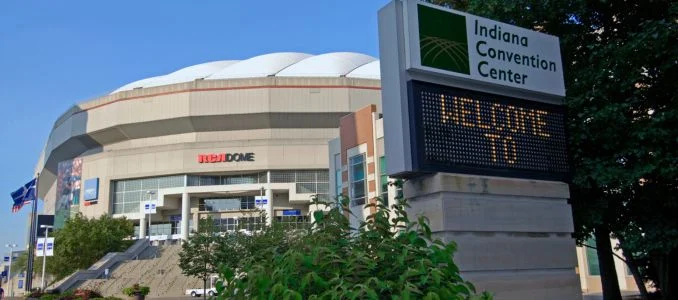
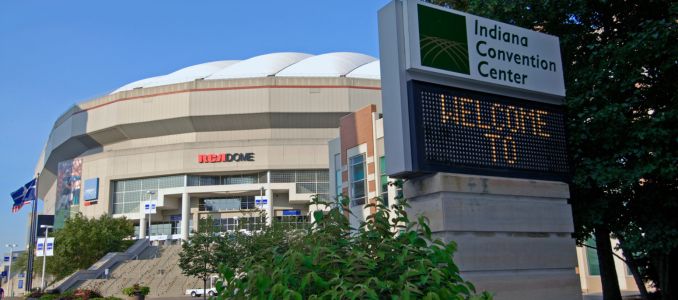
The inclusion of Learning Labs and Safety Huddles directly on the Expo floor ensures that the transition from theory to practice is seamless. These interactive forums allow attendees to troubleshoot specific challenges with peers, fostering a culture of cross-industry collaboration that extends well beyond the confines of the Indiana Convention Center.
The Economic and Ethical Implications
The push for enhanced safety protocols is supported by clear economic incentives. Beyond the humanitarian imperative to return every employee home in the same condition they arrived, the financial burden of workplace accidents is substantial. Medical expenses, loss of productivity, legal liabilities, and the cost of replacing specialized labor contribute to billions of dollars in losses for the global economy every year.
Industry analysts suggest that the adoption of the technologies showcased at the NSC Congress is no longer a "luxury" for large corporations but a necessity for operational longevity. Small to medium-sized enterprises (SMEs), which often struggle with the budget requirements for high-tech safety, are finding more accessible entry points through scalable software-as-a-service (SaaS) safety management platforms presented at the Expo.

Examining the Human Element
Despite the surge in technological sophistication, the NSC continues to emphasize that technology is only as effective as the culture that supports it. Throughout the sessions, experts are highlighting that "connected worker" systems must be implemented with transparency and trust. If workers view wearables or tracking systems as tools of surveillance rather than protection, engagement wanes, and the efficacy of the safety program is undermined.
Consequently, a significant portion of the conference is dedicated to soft skills: leadership, communication, and the art of influencing organizational culture. The consensus among speakers is that while AI can predict a hazard, it takes a committed, empowered, and safety-conscious workforce to mitigate it effectively.
Chronology of the 2026 Event
The multi-day structure of the NSC Congress follows a carefully calibrated timeline designed to maximize attendee value:

- Day 1: Orientation and Foundation. The opening ceremonies focus on the state of the industry, setting the tone for the themes of the year, including a keynote address from leading safety researchers and policy advocates.
- Day 2: The Technological Deep Dive. The focus shifts to the Expo floor, where the Work to Zero challenge finalists present their innovations. Technical sessions run in parallel, targeting specific industry verticals such as construction, manufacturing, and logistics.
- Day 3: Application and Networking. Attendees participate in specialized roundtables and peer-to-peer learning huddles. This day is specifically engineered for attendees to bring back "take-home" solutions to their respective organizations.
Broader Impact and Future Outlook
The gathering in Indianapolis serves as a rallying point for the global safety community. As international standards—such as ISO 45001—continue to gain traction, the strategies shared at the NSC Congress are being adapted and exported to workplaces worldwide.
The implications of this event are far-reaching. By creating a unified front against occupational hazards, the National Safety Council and its partners are setting a new standard for what a "safe" workplace looks like in the mid-2020s. The emphasis on predictive analytics and holistic health is likely to define the next decade of occupational safety, moving society closer to the ultimate goal of zero harm.
As the Expo concludes and professionals return to their respective sites, the success of the 2026 Congress will be measured not by the number of attendees or the volume of exhibitors, but by the tangible reduction in incident rates across the industries represented. By bridging the gap between cutting-edge research and field-level application, the NSC Safety Congress & Expo remains the most influential platform for driving the future of safety excellence.