

The Nuances of Diplacusis: Beyond Simple Misperception
Diplacusis is characterized by the perception of a single sound as two, either with differing pitches or as an echo. This phenomenon, while colloquially known as "double hearing," is medically termed diplacusis. The implications of this auditory distortion can significantly impact an individual’s quality of life, affecting their ability to understand speech, enjoy music, communicate effectively via telephone, discern alarms, and navigate conversations in noisy environments. The underlying mechanism of diplacusis involves a disruption in the auditory pathway, where the ears, cochlea, auditory nerve, or the brain’s processing of sound information fail to synchronize, leading to mismatched signals. Potential contributing factors are diverse and can include common issues like earwax blockage or ear infections, as well as more complex conditions such as sensorineural hearing loss, loud noise exposure, inner ear disorders, and other medical conditions.
Decoding the Soundscape of Double Hearing
The subjective experience of diplacusis is often difficult to articulate. Individuals may describe a variety of symptoms that disrupt their auditory perception. These can include:

- Pitch Discrepancies: A single note or sound might be heard at two different pitches simultaneously, creating a dissonant or out-of-tune sensation. This is particularly challenging for musicians or those with a keen ear for pitch.
- Echoes or Delays: Sounds may appear to repeat, creating an echo-like effect, as if the sound is being heard with a slight delay.
- Distorted Timbres: The quality or tone of a sound can be altered, making it sound unnatural or warped.
- Volume Mismatches: While less common, some individuals might perceive differences in the perceived loudness of a sound between their ears.
These symptoms are often most pronounced when listening to pure tones, music, alarms, speech, telephone conversations, or audio played through headphones, where the precise perception of sound is crucial.
Categorizing Diplacusis: Monaural and Binaural Manifestations
Diplacusis can be broadly categorized based on whether it affects one ear or both, and the nature of the auditory distortion. The primary classifications include:
Diplacusis Binauralis: This type occurs when there is a difference in how the two ears perceive the same sound.
- Diplacusis Echoica (Binaural): This subtype arises when the same sound reaches the two ears at slightly different times. The perception is that of a delayed or echoed sound, disrupting the natural flow of auditory information. This can make it challenging to localize sound sources and can significantly impair speech comprehension, especially in environments with background noise.
- Diplacusis Dysharmonica (Binaural): In this form, the same sound is perceived at different pitches by each ear. This results in a significant mismatch, making music sound discordant and conversations potentially confusing as pitches do not align. This is often linked to asymmetrical hearing loss, where the degree or type of hearing loss differs between the ears, or when the inner ear’s ability to process pitch is compromised differently in each ear.
Diplacusis Monauralis: This type of diplacusis occurs within a single ear.

- Diplacusis Monauralis Dysharmonica: Here, within one ear, a single sound is perceived as two distinct tones or pitches. This can manifest as a single sound being heard as a double tone or an internally dissonant pitch. This often points to a localized issue within that specific ear’s auditory system, affecting how it processes frequency information.
Diplacusis Dysharmonica: A Pitchy Problem
Diplacusis dysharmonica is frequently described as a "pitch mismatch." This means that a sound perceived by one ear at a particular pitch may be heard by the other ear at a higher, lower, or less clear pitch. For individuals sensitive to pitch, such as musicians, this can be profoundly disruptive, rendering music unlistenable and even impacting the ability to discern subtle vocal inflections. The underlying causes are often related to asymmetric sensorineural hearing loss, where the delicate hair cells in the cochlea are damaged unevenly across the ears, or other conditions affecting the inner ear’s frequency processing capabilities. Currently, there is no universal cure for diplacusis dysharmonica; treatment strategies are highly dependent on identifying and addressing the specific underlying cause.
Diplacusis Echoica: The Temporal Distortion
Diplacusis echoica introduces a temporal element to the hearing experience, where a single sound is perceived as having a delay or repeating. This timing difference in auditory perception can significantly impede the brain’s ability to process and integrate incoming sound. Consequently, following conversations, especially in complex acoustic environments, becomes a formidable challenge, as the brain struggles to separate intended speech from background noise and the perceived echoes.
Unraveling the Causes of Diplacusis
The fundamental reason behind diplacusis is an imbalance in the auditory information transmitted to the brain from the ears. Several factors can contribute to this mismatch:
- Earwax Blockage: Excessive earwax can physically obstruct the ear canal, altering sound conduction and potentially leading to temporary diplacusis.
- Ear Infections and Fluid Buildup: Infections within the middle or inner ear, or the accumulation of fluid, can impede the normal transmission of sound waves and affect the functioning of the auditory system.
- Sudden Sensorineural Hearing Loss (SSNHL): A rapid and often unexplained loss of hearing, SSNHL can impact the cochlea or auditory nerve, leading to diplacusis as a prominent symptom. Prompt medical attention is crucial in such cases.
- Loud Noise Exposure (Acoustic Trauma): Intense or prolonged exposure to loud noises can damage the sensitive hair cells in the cochlea, leading to hearing loss and associated auditory distortions like diplacusis.
- Ménière’s Disease: This inner ear disorder is characterized by fluctuating hearing loss, vertigo, tinnitus, and aural fullness, and can manifest with diplacusis.
- Ototoxic Medications: Certain medications known to be toxic to the ear can cause damage to the auditory system, resulting in hearing loss and diplacusis.
- Head Trauma: Injury to the head can affect the auditory pathways, leading to various hearing-related issues, including diplacusis.
- Tumors: In rare cases, tumors affecting the auditory nerve or brainstem can cause diplacusis.
- Presbycusis (Age-Related Hearing Loss): As individuals age, natural wear and tear on the auditory system can lead to gradual hearing loss and associated perceptual changes, including diplacusis.
The onset of double hearing can be a signal of an underlying medical issue, and a sudden or persistent occurrence warrants immediate professional assessment.

Monaural Diplacusis: A Single-Ear Anomaly
The experience of double hearing can be confined to a single ear. This monaural diplacusis can occur when that specific ear’s auditory system is compromised by factors such as blockage, infection, hearing loss, trauma, or other localized conditions. Symptoms in one ear should never be dismissed, especially if they appear suddenly. A comprehensive hearing evaluation is essential to differentiate between conductive, sensorineural, or mixed hearing loss, or to identify other potential medical causes. When one ear processes sound differently from the other, the brain’s ability to fuse these disparate signals into a coherent auditory experience is significantly challenged.
The Duration of Diplacusis: A Variable Timeline
The duration of diplacusis is intrinsically linked to its underlying cause. Temporary conditions such as earwax impaction, congestion, or ear infections often resolve, leading to the abatement of diplacusis symptoms once the causative factor is addressed. However, if diplacusis is associated with permanent hearing loss, such as that resulting from acoustic trauma or sensorineural damage, it may persist and require ongoing management strategies. A critical aspect of managing diplacusis involves prompt medical attention for sudden, persistent, or worsening symptoms, particularly those affecting only one ear. While some individuals may adapt to chronic diplacusis over time with appropriate auditory support, others may require interventions like sound therapy, auditory rehabilitation, or assistive listening devices.
Diagnosing Diplacusis: A Multifaceted Approach
The diagnostic process for diplacusis typically begins with a detailed medical history. Clinicians will inquire about the onset of symptoms, whether one or both ears are affected, and the presence of associated symptoms such as tinnitus, dizziness, ear fullness, ear pain, signs of infection, recent exposure to loud noise, head trauma, or changes in medication.
A thorough ear examination is conducted to identify any physical obstructions like earwax, fluid accumulation, signs of infection, or eardrum abnormalities. Audiological assessments are crucial and may include:
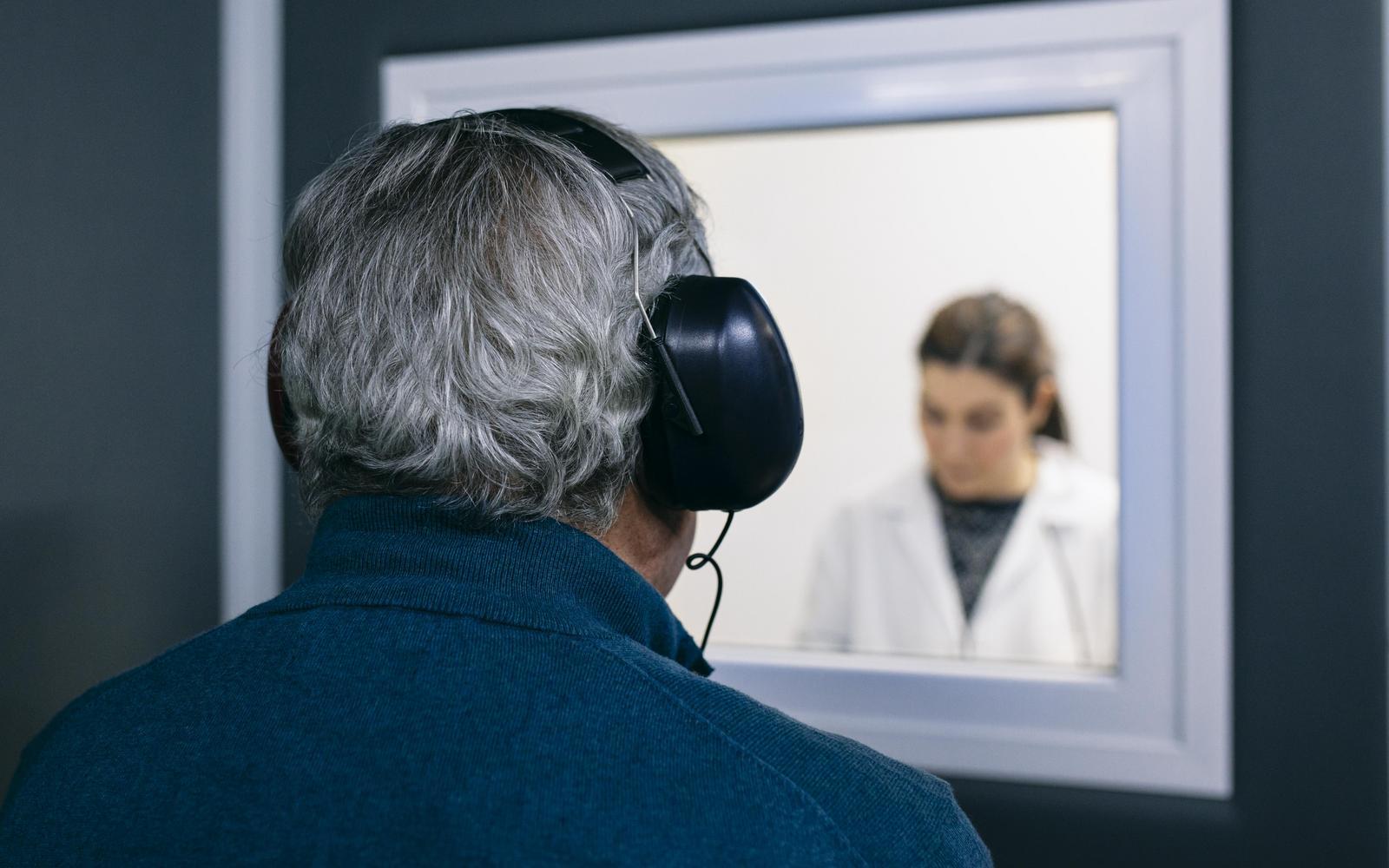
- Pure Tone Audiometry: This standard hearing test measures an individual’s hearing thresholds across various frequencies.
- Speech Testing: This evaluates the ability to understand spoken words at different volume levels and in various listening conditions.
- Pitch Matching Tests: Specialized tests may be employed to objectively assess the perceived pitch differences, particularly in cases of diplacusis dysharmonica.
- Other Audiology Tests: Depending on the suspected cause, further tests like tympanometry (to assess middle ear function) or otoacoustic emissions (to evaluate cochlear health) might be performed.
Referral to an ENT (Ear, Nose, and Throat) specialist is often recommended if the symptoms are sudden in onset, unilateral (affecting one side), medically complex, or accompanied by neurological symptoms such as dizziness, pain, or discharge.
Diplacusis Treatment and Management: Tailored Solutions
There is no universal treatment for diplacusis; the most effective approach is dictated by the underlying cause. Management strategies can include:
- Professional Earwax Removal: If earwax is the culprit, safe and professional removal can quickly resolve the issue.
- Medical Treatment for Infections or Inflammation: Antibiotics or other medications may be prescribed to treat ear infections or inflammatory conditions.
- Medication Review: If ototoxic medications are suspected, a review with a prescribing physician may lead to adjustments.
- Hearing Protection: In cases related to noise exposure, emphasizing the use of hearing protection is paramount.
- Hearing Aids: For individuals with accompanying hearing loss, hearing aids can amplify sound, potentially improving overall auditory input and reducing the impact of diplacusis.
- Sound Therapy and Auditory Training: These therapeutic approaches aim to retrain the brain to better process auditory signals and adapt to altered perceptions.
- Tinnitus Management: If tinnitus is a co-occurring symptom, strategies for managing it can improve overall auditory well-being.
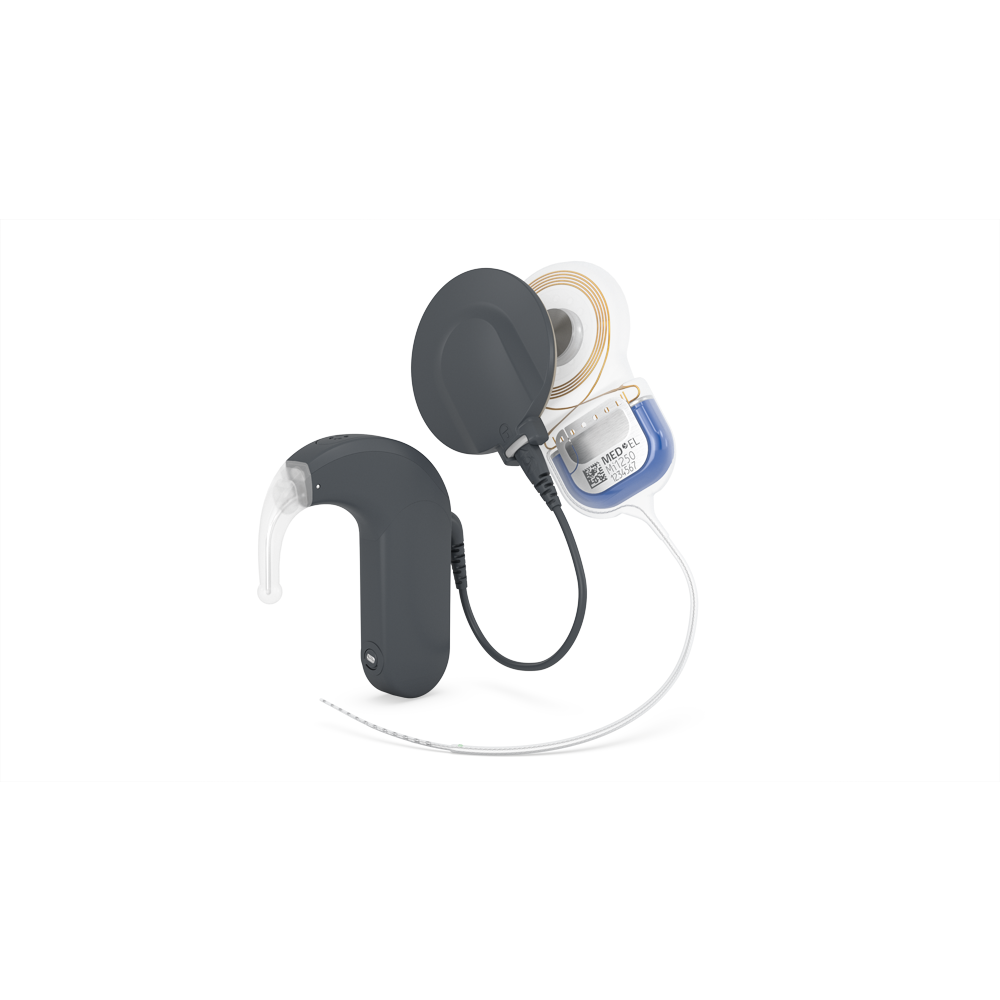
- Hearing Implants: In specific cases of severe to profound sensorineural hearing loss or single-sided deafness, cochlear implants or other implantable hearing solutions may be considered after thorough specialist assessment.
Addressing Temporary Causes
When diplacusis stems from temporary issues like earwax, fluid, congestion, or infection, symptoms typically improve once the primary condition is treated. It is crucial to avoid aggressive home remedies such as cotton swabs or ear candling, as these can exacerbate irritation or cause injury. A healthcare professional can safely examine the ear and recommend appropriate care.
Navigating Diplacusis with Hearing Loss
For individuals experiencing diplacusis in conjunction with hearing loss, an audiologist or ENT specialist will discuss various management options. These may include:

- Hearing Aids: These devices can amplify sounds, potentially improving the clarity and balance of auditory perception. While they do not "cure" diplacusis, they can enhance the ability to access sound and support listening efforts.
- Auditory Rehabilitation: This encompasses a range of services designed to help individuals with hearing loss maximize their communication abilities and cope with listening challenges.
- Cochlear Implants: For individuals with severe-to-profound sensorineural hearing loss or single-sided deafness, cochlear implants may be a viable option, providing direct electrical stimulation to the auditory nerve.
When to Seek Urgent Medical Attention
It is imperative to seek urgent or same-day medical evaluation if double hearing is accompanied by any of the following critical symptoms:
- Sudden hearing loss
- Sudden dizziness or vertigo
- Facial paralysis or weakness
- Severe headache
- Sudden onset of neurological symptoms
- Ear discharge or bleeding
For persistent, worsening, or significantly bothersome diplacusis that interferes with daily communication, an appointment with an audiologist, ENT specialist, or other qualified healthcare professional is essential.
Key Takeaways for Understanding Diplacusis
- Diplacusis is a symptom: It indicates an underlying issue within the auditory system.
- Perception is key: The hallmark of diplacusis is hearing one sound as two, or with altered pitch or timing.
- Causes are varied: From simple earwax to complex neurological conditions.
- Prompt evaluation is vital: Especially for sudden or unilateral onset.
- Treatment is cause-dependent: Addressing the root issue is paramount.
- Quality of life impact: Diplacusis can significantly affect communication and enjoyment of sound.
The experience of diplacusis, while disconcerting, underscores the intricate nature of human hearing. Understanding its various forms, potential causes, and available diagnostic and management strategies empowers individuals to seek timely and appropriate care, ultimately aiming to restore clarity and richness to their auditory world.
Frequently Asked Questions About Diplacusis
Is diplacusis the same as tinnitus?
No. Diplacusis and tinnitus are distinct auditory phenomena, although they can occur concurrently. Tinnitus is the perception of sound (such as ringing or buzzing) in the absence of an external sound source. Diplacusis, conversely, involves the distorted perception of an actual external sound, which is heard as doubled, echoed, or at differing pitches between the ears.
Can earwax cause double hearing?
Yes, earwax blockage can alter how sound waves travel through the ear canal, potentially leading to temporary perceptual changes, including a sensation of double hearing. However, earwax is just one of many possible causes. A medical professional must evaluate symptoms to determine if earwax, fluid, infection, hearing loss, or another underlying condition is responsible.
Can diplacusis go away?
Diplacusis may resolve if its cause is temporary, such as earwax buildup, fluid in the ear, congestion, or an ear infection. However, if diplacusis is a consequence of permanent hearing loss, such as sensorineural damage, it may require ongoing management rather than a complete cure. A professional assessment is crucial for identifying the cause and guiding the most effective next steps.