The Clinical Necessity of Environmental Modification
The primary challenge for patients with vestibular conditions such as Meniere’s disease, vestibular migraine, or Benign Paroxysmal Positional Vertigo (BPPV) is the "visual-vestibular conflict." When the inner ear fails to provide accurate data about the body’s position in space, the brain over-relies on visual cues. Consequently, environments with poor lighting, high-contrast patterns, or physical clutter can exacerbate symptoms of nausea and disorientation.
Medical professionals suggest that the home should be viewed through the lens of therapeutic ergonomics. By modifying the physical space, patients can reduce the cognitive load required to maintain balance, thereby conserving energy for vestibular rehabilitation exercises and daily activities.
Lighting and Photophobia Management
One of the most prevalent triggers for vestibular-related migraines and dizziness is fluorescent or excessively bright lighting. Photophobia, or light sensitivity, affects a significant percentage of the vestibular patient population. The installation of dimmer switches is no longer viewed merely as an aesthetic choice but as a critical medical accommodation.
Dimmer switches allow for a gradual transition of light levels, preventing the "visual shock" that can occur when moving from a dark bedroom to a brightly lit kitchen or bathroom. Research into the trigeminal nerve pathways suggests that sudden exposure to high-intensity light can trigger vestibular migraines. By maintaining a "peaceful glow" through adjustable lighting, patients can navigate their homes during the early morning or during acute episodes without exacerbating neurological symptoms. Experts also recommend the use of "warm" color temperature bulbs (2700K to 3000K), which are less likely to trigger light-induced vertigo than "cool" blue-toned lights.
Fall Prevention and Bathroom Safety
The bathroom remains the most hazardous room for individuals with balance disorders. The Centers for Disease Control and Prevention (CDC) reports that one out of four older adults falls each year, and for those with vestibular dysfunction, this risk is significantly higher. The combination of wet surfaces, the need for frequent head movement, and the closing of eyes (such as during hair washing) creates a "perfect storm" for falls.
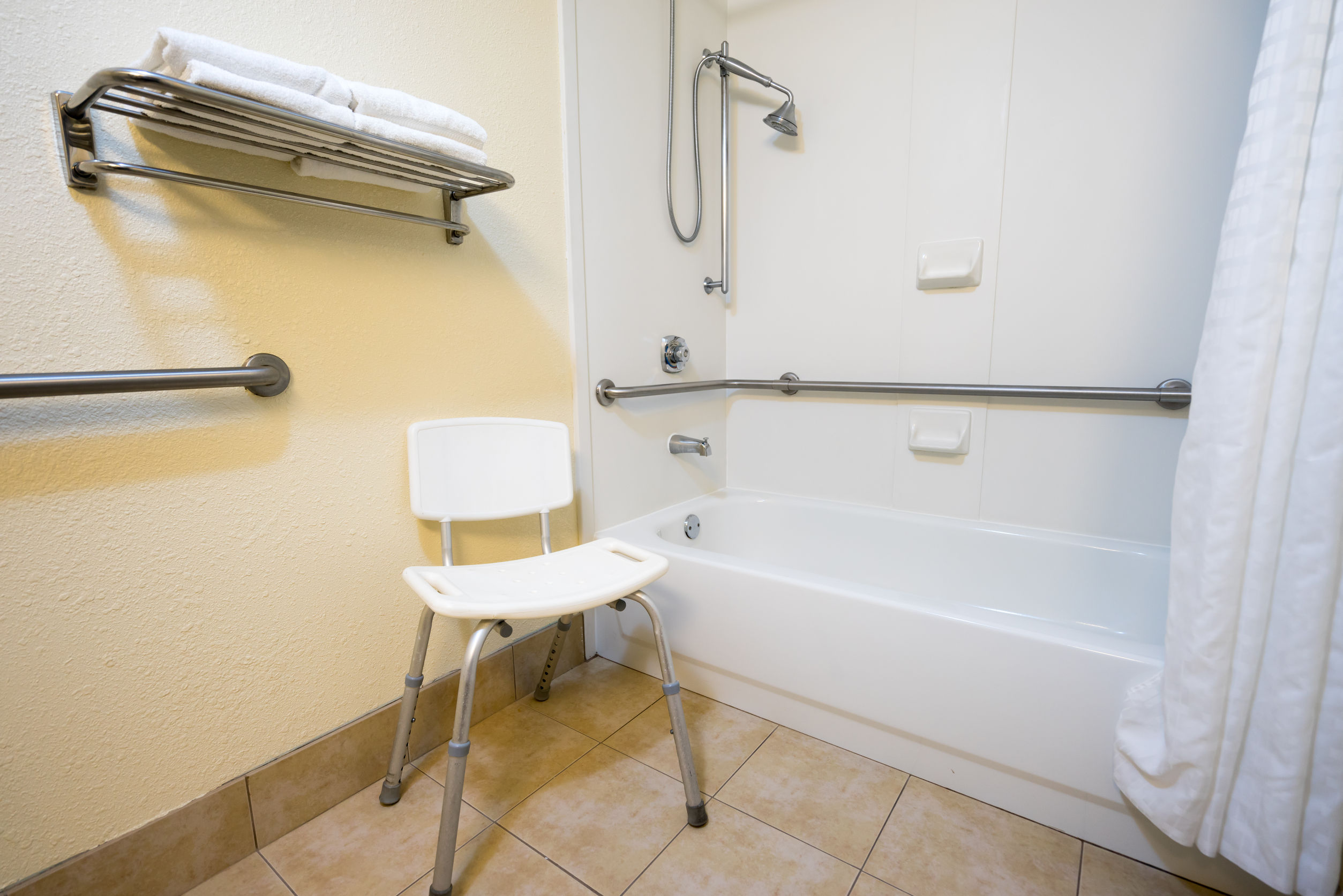
The integration of ADA-compliant safety bars is a fundamental recommendation from occupational therapists. Unlike towel racks, which are not designed to support body weight, professional-grade grab bars provide a "grounding touchstone." Placing these bars inside the shower and adjacent to the toilet offers the mechanical support necessary to offset momentary lapses in balance. Furthermore, the use of non-slip mats and walk-in showers can further decrease the likelihood of catastrophic slips.
Spatial Navigation and Proprioceptive Support
For a person with a compromised vestibular system, the brain utilizes proprioception—the sense of self-movement and body position—to compensate for inner ear failure. This reliance makes clear, unobstructed pathways essential.
"Safety first, design second" has become a mantra for interior designers specializing in aging-in-place and disability accommodations. Creating wide, predictable paths between high-traffic areas, such as the bedroom and the kitchen, minimizes the risk of tripping. Furthermore, the strategic placement of heavy, stable furniture—such as the backs of sofas or sturdy dining tables—can serve as "anchors." By lightly touching these surfaces while walking, patients provide their brains with additional sensory input regarding their location, a technique known as "haptic anchoring."
Sensory De-cluttering and Visual Calm
The impact of visual "noise" on the vestibular system is a well-documented phenomenon. High-contrast patterns, busy wallpapers, and excessive decorative items (tchotchkes) can create a sense of motion where none exists, leading to "supermarket syndrome" or visually induced dizziness.
Current clinical advice leans toward a minimalist aesthetic for vestibular patients. Neutral color palettes, such as soft greys, beiges, and muted blues, reduce the neurological demand on the visual cortex. By decluttering the living space, patients remove the "visual static" that can interfere with their ability to focus on stabilizing their gaze. This transition from a "lively" environment to a "calm" one is often cited by patients as a primary factor in reducing daily anxiety levels.
Energy Conservation and the Role of Assistance
Living with chronic dizziness is physically exhausting. The constant effort to remain upright consumes significant metabolic energy, often leading to "vestibular fatigue." To manage this, patients are encouraged to delegate high-energy tasks.
Vacuuming, for instance, involves repetitive forward-and-back motion, noise, and vibration—all of which are potent vestibular triggers. Similarly, cleaning bathrooms requires significant bending and reaching, which can displace otoconia (inner ear crystals) in patients with BPPV. The hiring of professional cleaning services is increasingly viewed not as a luxury, but as a necessary expenditure for maintaining long-term health and preventing symptom flares.
Assistive Tools and Ergonomic Adjustments
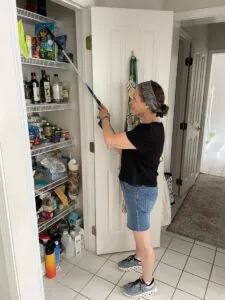
Reaching for items on high shelves or bending down to retrieve objects from the floor involves significant head-eye movement, which can trigger vertigo. The use of a "grabber tool" or reacher allows patients to keep their heads level and their gaze fixed while performing household tasks.
In the kitchen, where standing for extended periods is often required, the use of high-seated barstools or "perch chairs" is recommended. By sitting while prepping food, patients reduce the load on their postural muscles and decrease the risk of orthostatic instability. Bracing the legs against a counter while seated provides additional grounding, further stabilizing the patient during tasks that require manual dexterity.
Emergency Preparedness and Communication
For individuals living alone with a balance disorder, the fear of falling and being unable to call for help is a significant psychological burden. Traditional landlines are often inaccessible during a fall.
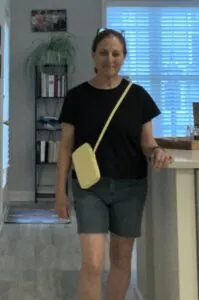
Safety protocols now suggest that patients keep a mobile phone on their person at all times. Specialized lightweight shoulder bags or wearable tech (such as smartwatches with fall detection) ensure that help is always within reach. This shift from "running for the phone" to "wearing the phone" eliminates a common tripping hazard and provides peace of mind for both the patient and their family members.
The Psychological Importance of Recovery Zones
Recovery from a vestibular "attack" requires a dedicated space for sensory deprivation. A "comfort zone"—typically a recliner or a darkened room—allows the nervous system to reset. These areas should be equipped with items that promote relaxation without visual or auditory overstimulation, such as weighted blankets, which provide calming deep-pressure input, and low-frequency audio devices for white noise or soft music.
Nature and Controlled Outdoor Exposure
While the interior of the home must be controlled, total isolation can lead to secondary issues such as Vitamin D deficiency and depression. Controlled exposure to the outdoors is vital for sensory integration.
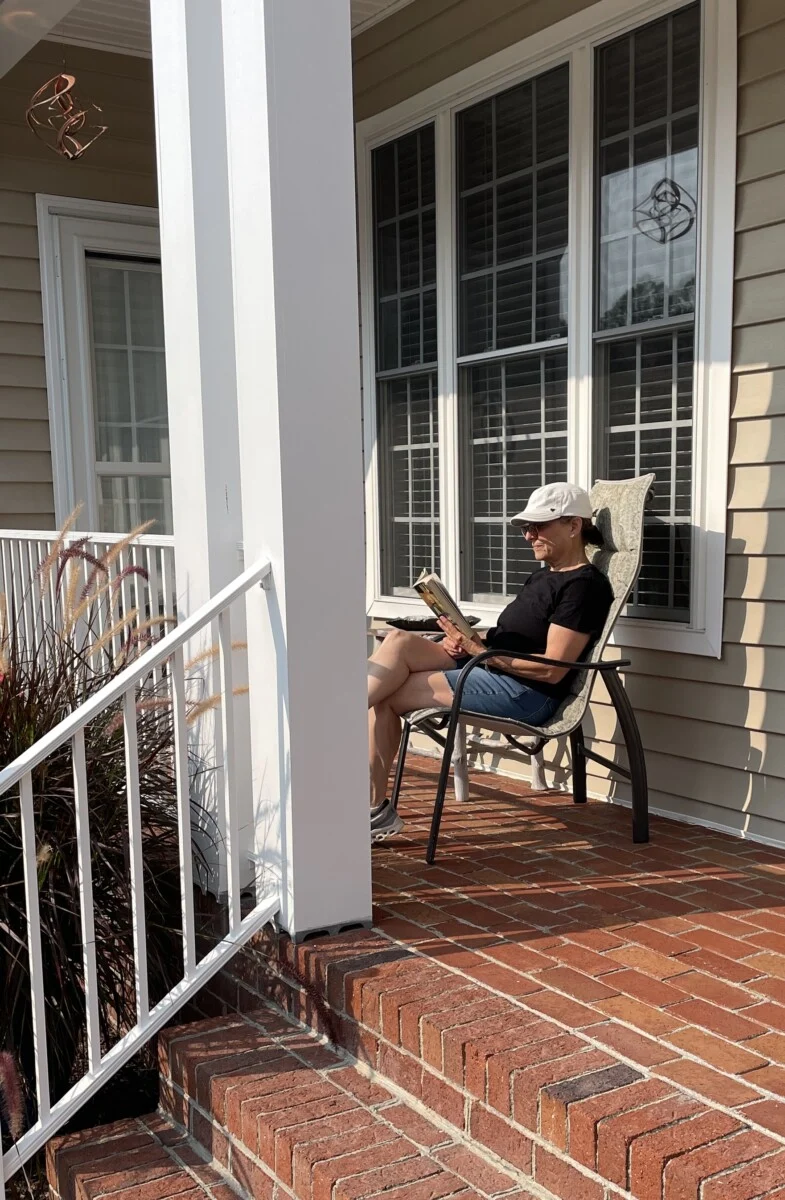
Experts suggest creating a "safe" outdoor space, such as a porch or deck, equipped with umbrellas or awnings to manage light intensity. Wearing sunglasses and wide-brimmed hats can allow patients to enjoy natural light and fresh air without triggering photophobia. Even short intervals of 15 minutes spent in a natural setting can improve mood and provide the brain with the varied sensory input necessary for vestibular compensation.
Economic and Broader Implications
The movement toward "dizzy-friendly" homes has broader implications for public health. As the global population ages, the prevalence of balance disorders is expected to rise. According to the Vestibular Disorders Association (VeDA), early intervention and environmental modification can significantly reduce the cost of emergency room visits and long-term nursing care.
"There is nothing more important than a good, safe, and secure home," stated the late Rosalynn Carter, a sentiment that resonates deeply within the vestibular community. By prioritizing function over form and safety over tradition, individuals with balance disorders can reclaim their independence.
In conclusion, the modification of the home environment is a multifaceted process that requires an assessment of individual triggers, physical symptoms, and financial resources. From the installation of simple dimmer switches to the strategic placement of safety bars, these "hacks" represent a proactive approach to managing a complex and often invisible disability. As research continues into the neurological pathways of the inner ear, the importance of a stabilized, supportive home environment remains a cornerstone of vestibular healthcare.