

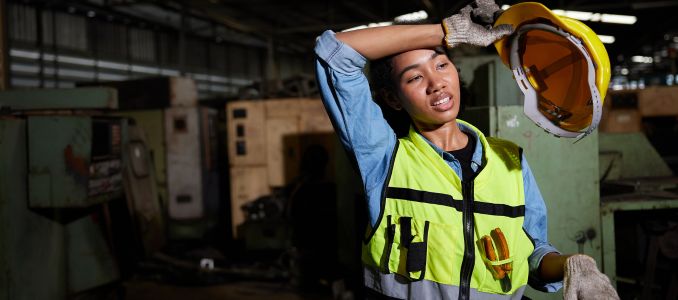
The directive underscores the state’s commitment to preventing occupational heat-related illnesses, which have become an increasing concern due to the rising frequency of extreme weather events. Cal/OSHA is reminding business owners that compliance is not optional; it is a legal requirement designed to save lives in an environment where heat exhaustion and heat stroke can manifest rapidly.
The Scope of the Regulatory Mandate
Cal/OSHA’s heat illness prevention standards are among the most stringent in the United States. The current warning serves as a high-visibility reminder that the threshold for mandatory safety interventions is lower than many employers realize. For indoor workplaces, such as warehouses, processing plants, and commercial kitchens, the regulatory clock starts ticking as soon as the temperature hits 82 degrees Fahrenheit. At this point, employers are required to ensure that workers have access to fresh water, cooling areas, and recovery periods.

The requirements for outdoor worksites are triggered even earlier, at 80 degrees Fahrenheit. When ambient temperatures reach this level, employers must provide adequate hydration, regular shade breaks, and a cooling environment where employees can recover from physical exertion. These measures are designed to mitigate the physiological stress placed on the human body when it is forced to regulate internal temperature under extreme external heat.
High-Risk Industries and Enhanced Compliance Protocols
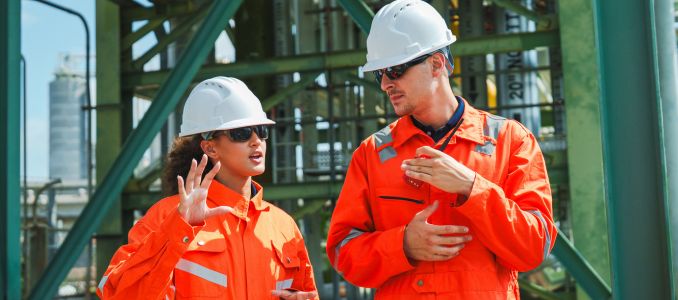
While all California employers must adhere to baseline safety standards, certain high-risk industries face heightened scrutiny when temperatures climb. Once the mercury hits 95 degrees Fahrenheit, sectors including agriculture, construction, landscaping, oil and gas extraction, and heavy material transportation are subject to additional "high-heat" procedures.

Under these conditions, employers are mandated to maintain regular, direct observation of their employees. This can take the form of a "buddy system" or designated supervisors performing frequent checks to identify early signs of heat-related distress. Furthermore, effective communication protocols must be established and tested before each shift. This ensures that in the event of an emergency—such as a worker experiencing heat cramps, exhaustion, or the life-threatening condition of heat stroke—help can be summoned immediately.
The rationale behind these strict measures is rooted in the physiological reality of heat-related injury. Heat exhaustion often presents with symptoms like heavy sweating, rapid pulse, dizziness, and fatigue. If ignored, it can progress to heat stroke, a condition where the body’s temperature regulation fails, leading to organ damage or death. The regulatory focus on these specific sectors is driven by data showing that manual laborers in these fields are disproportionately affected by heat exposure.
Historical Context and the Escalating Heat Crisis
California’s current heat event is part of a broader trend of rising average temperatures that has reshaped occupational safety policies over the last two decades. The state’s heat illness prevention standard was originally born out of necessity following several high-profile fatalities in the early 2000s, particularly within the agricultural sector.
Since the implementation of Title 8, Section 3395 of the California Code of Regulations, the state has continuously updated its guidance to reflect advancements in meteorology and medical science. The frequency of these alerts has increased alongside the occurrence of "heat domes" and extended heatwaves. Scientists have noted that the "new normal" for California involves earlier-onset heatwaves in the spring and more persistent heat events extending into the late summer and early autumn.
For business owners, the current warning serves as a reminder that the "written heat illness prevention plan" is not a static document. It must be a living, breathing component of the company’s safety culture. This includes conducting mandatory training sessions that teach both supervisors and rank-and-file employees how to recognize the symptoms of heat illness. Training must be provided in a language the employee understands, and it must cover not only the mechanics of hydration and shade but also the importance of acclimatization—the process by which a body adjusts to working in higher temperatures over a period of 7 to 14 days.
Data and Economic Implications
The economic impact of heat-related safety compliance is significant, but the cost of non-compliance is far higher. Beyond the ethical imperative to protect human life, businesses face substantial financial risks. Cal/OSHA has the authority to issue heavy citations and fines for failure to provide water, shade, or proper training. In cases of severe injury or death, companies can face criminal investigation and significant civil litigation.

From an operational standpoint, extreme heat causes a measurable decline in productivity. Studies have shown that when core body temperatures rise, cognitive function, reaction time, and manual dexterity decline, leading to an increased risk of secondary accidents—such as falls, equipment collisions, or errors in handling dangerous machinery. By adhering to the 82-degree indoor and 80-degree outdoor thresholds, employers are not just avoiding fines; they are maintaining a more stable and efficient workforce.
Official Guidance and Best Practices
To navigate the current heatwave safely, safety experts and state officials recommend several proactive strategies:

- Hydration First: Water must be fresh, pure, and conveniently accessible. Employers should encourage workers to drink small amounts of water frequently rather than waiting until they feel thirsty.
- Scheduled Recovery: In extreme heat, breaks should be mandated rather than voluntary. Allowing workers to cool down in a shaded or air-conditioned environment allows the body to dissipate stored heat.
- Acclimatization Oversight: New workers or those returning from a long absence are at the highest risk. Supervisors should implement a "buddy system" specifically for these individuals to monitor their well-being during the first two weeks of exposure.
- Emergency Readiness: Every worksite must have a clear, actionable plan for medical emergencies. This includes knowing the precise location of the worksite to provide directions to emergency services and ensuring that a supervisor is empowered to call for an ambulance without fear of reprisal.
- Clothing and Personal Protective Equipment (PPE): While PPE is essential for many tasks, it can also trap heat. Employers should consider breathable, lightweight fabrics and ensure that PPE does not unnecessarily restrict airflow to the skin.
The Road Ahead: Long-Term Adaptation
The current heat warning is a diagnostic indicator of the challenges California’s labor market faces in the coming years. As the climate continues to shift, the reliance on reactive measures—such as issuing warnings during heatwaves—will likely evolve into more integrated, year-round infrastructure planning.
Urban planners and industrial architects are increasingly looking at ways to design warehouses and factories with better natural ventilation, reflective roofing materials, and advanced cooling systems that reduce the baseline indoor temperature. In the agricultural sector, shifts toward evening or early morning work hours are becoming more common to avoid the most intense solar radiation of the day.

However, for the immediate future, the focus remains on the state’s existing regulatory framework. As the heat intensifies through early August, the responsibility rests on the shoulders of California’s employers to ensure that every worker, regardless of their position or industry, is protected from the invisible, silent threat of extreme heat. The guidance from Cal/OSHA is clear: monitor the forecast, implement the plan, and prioritize the health of the workforce above all else. Failure to do so is not only a breach of state regulation but a failure of the fundamental duty of care that every employer owes to those who keep their operations running.