The Historical Context of Zero Tolerance
The term "Zero Tolerance" has long occupied a contentious space in American institutional policy. Originating in the 1980s and 1990s within the context of law enforcement and public education, the term was originally designed to mandate predetermined, harsh consequences for specific infractions. However, sociological data and civil rights advocacy over the past three decades have highlighted that these policies often disproportionately impact marginalized populations. In educational settings, for example, zero-tolerance mandates have been linked to higher rates of exclusionary discipline for students of color and students with disabilities, often fueling the "school-to-prison pipeline."
For the deaf and hard-of-hearing community, these historical associations are particularly resonant. The NAD, as the nation’s premier civil rights organization for deaf and hard-of-hearing individuals, operates within a unique cultural framework where the concepts of community, communication access, and mutual support are paramount. Members of the community have argued that the punitive nature of "zero tolerance" terminology stands in direct opposition to the values of restorative justice and community accountability, which many believe should be the standard for a disability-led advocacy group.
Chronology of the Policy and Current Developments
The NAD’s current Zero Tolerance Policy was not a recent creation; it has been a foundational element of the organization’s operational framework for several biennial national conferences. Its intended function was to serve as a legal and administrative shield, protecting attendees, staff, and volunteers from harassment, discrimination, bullying, and abusive conduct during high-traffic, high-visibility events.
In the months leading up to the July 2026 announcement, the NAD Board of Directors observed an increase in member discourse regarding the policy’s implementation. While the policy was designed to foster a safe environment, some community members expressed that the rigidity of the language created an atmosphere of intimidation rather than one of support. This feedback culminated in a series of formal and informal dialogues between the Board and the membership, prompting the leadership to pause and re-evaluate the framing of their safety protocols.
Data and Organizational Standards
In evaluating the necessity of such policies, the NAD must balance legal liability with community sentiment. According to recent industry standards for non-profit governance, organizational codes of conduct are essential for mitigating risk. A 2025 study on non-profit organizational health indicated that 78% of national advocacy organizations maintain some form of behavioral policy. However, the study also noted that organizations that adopt "restorative" or "transformative" language—rather than punitive, top-down language—report higher levels of volunteer engagement and lower rates of internal conflict.
The NAD’s current policy framework covers:
- Protection against discrimination: Ensuring adherence to the Americans with Disabilities Act (ADA) and other relevant civil rights laws.
- Harassment and Bullying Prevention: Establishing clear definitions of conduct that undermines a safe space.
- Procedural Accountability: Maintaining a reporting structure for grievances that respects the confidentiality of all parties involved.
The board’s current challenge is to maintain these high standards of conduct while stripping away the terminology that has triggered community concern.
Official Response and Strategic Commitment
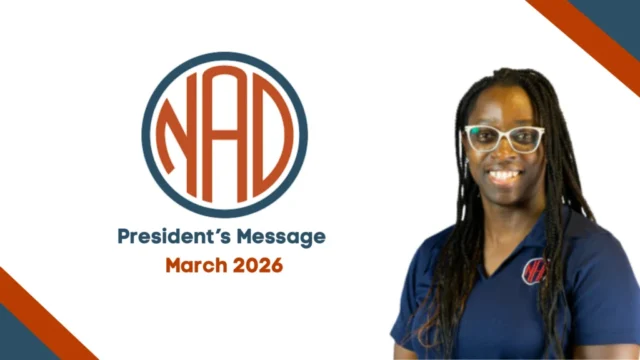
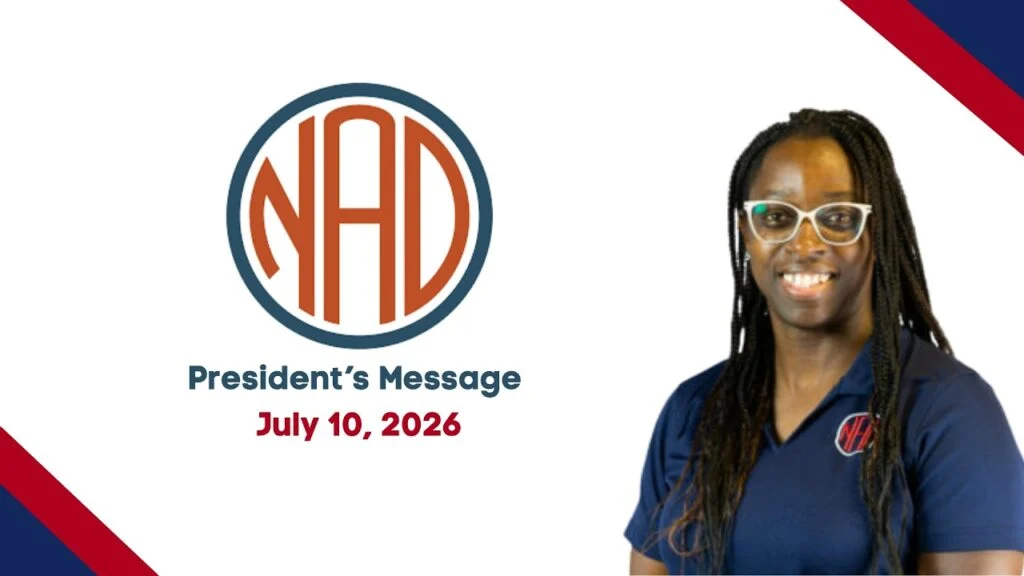
In her statement, President Stephanie Hakulin emphasized that the decision to review the policy was not a repudiation of the need for safety, but rather a reflection of the organization’s evolution. "We recognize that the phrase ‘zero tolerance’ carries significant historical context," Hakulin noted. "It is important that NAD’s policies and language reflect our values of equity, inclusion, accountability, fairness, respect, and belonging."
The Board of Directors has outlined a multi-phase approach to this review:
- Community Engagement: Actively soliciting and cataloging feedback from the membership regarding alternative language that conveys firmness without the punitive baggage of "zero tolerance."
- Policy Auditing: A line-by-line review of the existing policy to identify where the language might be adjusted to prioritize restorative justice models.
- Legal and Ethical Review: Ensuring that any changes to the policy continue to provide robust protections against harassment and abuse, meeting the legal obligations of a national organization.
During this transition, the existing policy remains in full force. The organization has clarified that current reports of misconduct will continue to be processed through established channels, ensuring that there is no lapse in the protections afforded to community members.
Implications for the Future of Deaf Advocacy
The move by the NAD is viewed by organizational experts as a proactive effort to prevent the alienation of its base. By acknowledging the power of language, the NAD is setting a precedent for other advocacy organizations that may be grappling with similar issues.
The shift toward "restorative justice" is a growing trend in the non-profit sector. Unlike traditional zero-tolerance models, which focus on the removal of an individual from a space, restorative models prioritize identifying the harm caused, acknowledging that harm, and taking steps to repair it. For the NAD, this could mean implementing mediation services, conflict resolution training, or community-based reconciliation processes that aim to heal the community fabric rather than simply severing ties with offending individuals.
However, critics of this shift, or those who prioritize strict enforcement, may express concerns regarding the potential for ambiguity. There is a delicate balance between being "inclusive" and being "effective." If the language becomes too soft, some fear that the organization’s ability to take swift action against serious misconduct could be compromised. The Board’s primary task in the coming months will be to prove that their new approach is just as effective as the old one, but more culturally aligned with the values of the deaf community.
Next Steps and Community Engagement
The NAD has committed to keeping its membership updated at every stage of this process. This transparency is vital, as the organization relies on the trust of its members to function as a representative voice in Washington, D.C., and across the country.
The review process is expected to span the remainder of the 2026 calendar year, with the Board of Directors likely presenting a revised policy proposal to the membership or the governing council in early 2027. This timeline allows for a thorough review without rushing, ensuring that the final outcome is one that the community feels ownership over.
Ultimately, the NAD’s decision to revisit its internal policies reflects a broader maturity within the organization. By moving away from language that is perceived as exclusionary and embracing terminology that prioritizes the dignity and agency of its members, the NAD is reinforcing its commitment to the very values it advocates for on the national stage. The phrase "Together, we NAD rise," which concluded the President’s address, serves as a reminder that the organization’s strength lies in its collective ability to listen, adapt, and refine its approach to the benefit of all deaf and hard-of-hearing individuals.
As the review progresses, the success of this initiative will be measured not just by the final text of the policy, but by the extent to which the community feels heard and respected throughout the transition. For an organization whose history is defined by the fight for communication access, the ability to communicate its own internal processes effectively remains its most important task.