A Lifelong Auditory Journey and the Embrace of Technology
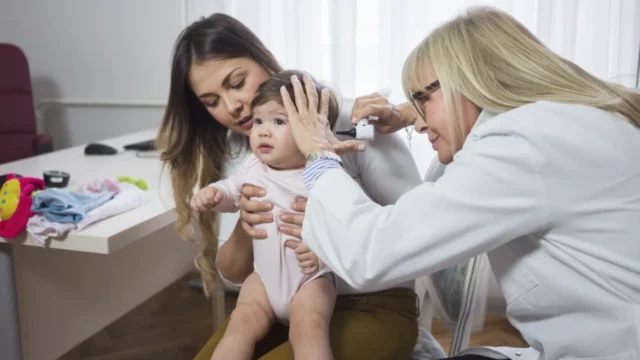
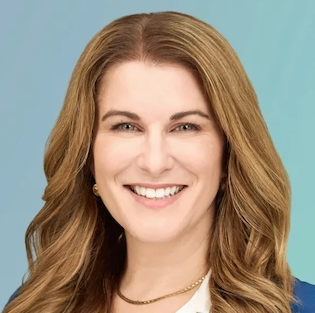
Dr. Nashlea Brogan, a 50-year-old resident of Canada, has dedicated over two decades of her professional life to audiology, establishing and managing her private practice. Her profound understanding of hearing loss, both from a professional and personal standpoint, stems from her own experiences. Her journey began in her teenage years, with a diagnosis of progressive, hereditary hearing loss. This familial predisposition, evident in other relatives who are also cochlear implant users, marked the initial stages of her auditory challenges. By the age of 14, she had undergone her first hearing test, and by 18, she was fitted with her first hearing aids.
Early recollections paint a vivid picture of the impact of her hearing loss. “One of my earliest memories was realizing I couldn’t hear people sitting in the back seat of the car when I was driving,” Dr. Brogan recounts. This auditory disconnect extended to her passions, as she was a competitive Highland dancer. “I remember struggling to hear the bagpipes during competitions,” she adds, highlighting the subtle yet significant ways hearing loss could impede participation in cherished activities.
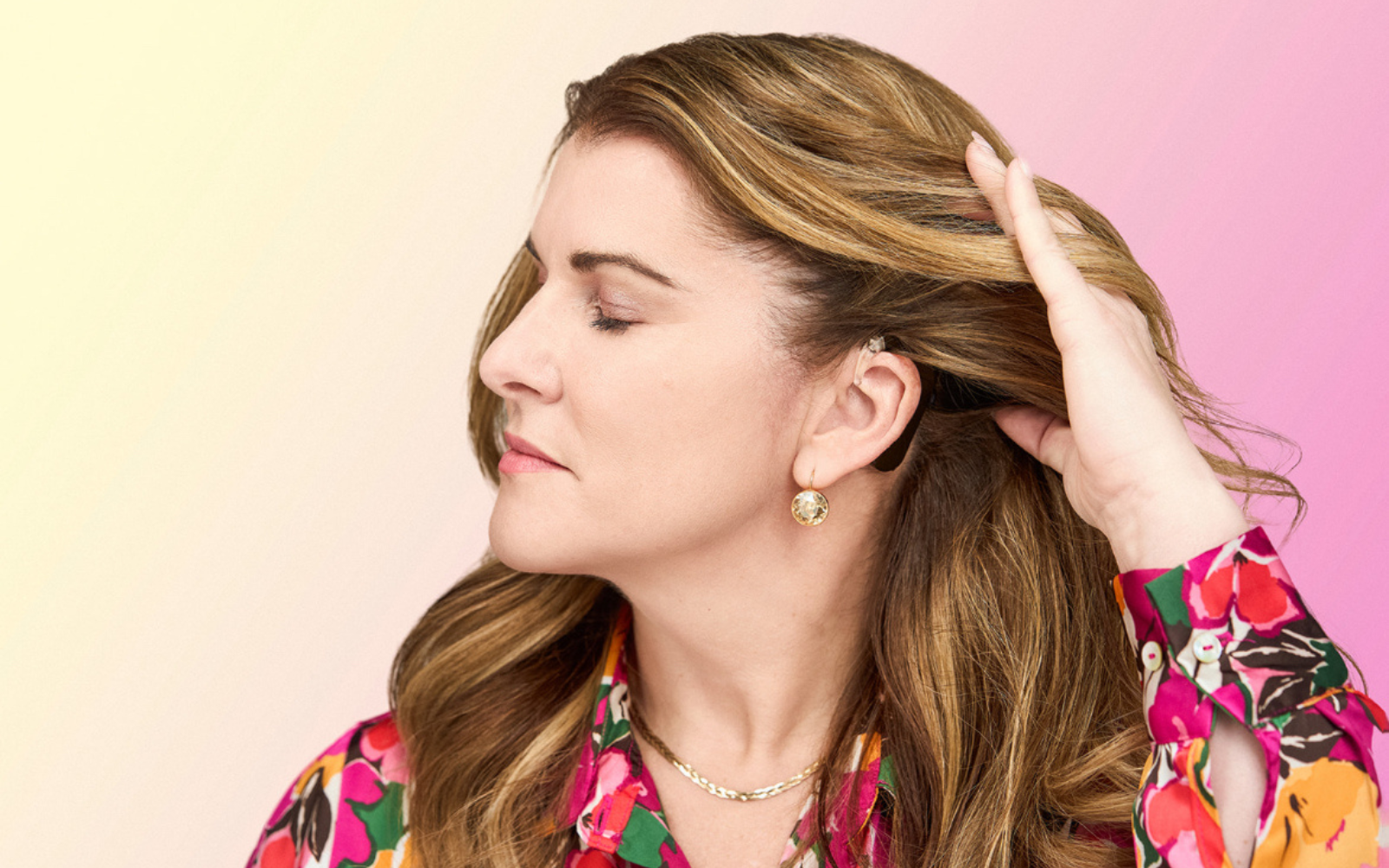
As the years progressed and her hearing loss continued its inexorable decline, the limitations of traditional hearing aids became increasingly apparent. By her late thirties, a period marked by the demands of raising two children and the growth of her audiology clinic, hearing aids were no longer sufficient. This critical juncture prompted her decision to pursue bilateral cochlear implants, a transformative step that would fundamentally alter her relationship with sound and the world around her.
The Water Barrier: A Twenty-Year Avoidance
Despite a lifelong affinity for water – a passion that fuels her active lifestyle, encompassing skiing, extensive travel, and a deep appreciation for the outdoors – Dr. Brogan found herself increasingly estranged from aquatic pursuits for two decades. This aversion was not solely rooted in the desire to protect her hearing aids; it was also a profound fear of the complete auditory silence that ensued when she removed them. "Every trip to the beach, every day on the boat, every afternoon at the pool meant making a choice between protecting my devices or staying connected with the people around me," she explains. This perpetual compromise led to a gradual withdrawal from activities she once cherished, creating a silent void in her life that mirrored her hearing loss.
The development of advanced waterproof solutions for hearing implant technology marks a significant milestone in the field of audiology. For many bilateral cochlear implant users, the removal of both audio processors results in a complete cessation of auditory input, rendering them profoundly deaf. This can pose significant safety risks, particularly in environments with potential hazards, and severely impacts social interaction and participation. Consequently, the emergence of reliable waterproof accessories has been heralded as a game-changer, offering not only recreational benefits but also enhancing communication and safety.
The Revelation of Underwater Sound: A Paradigm Shift with WaterWear
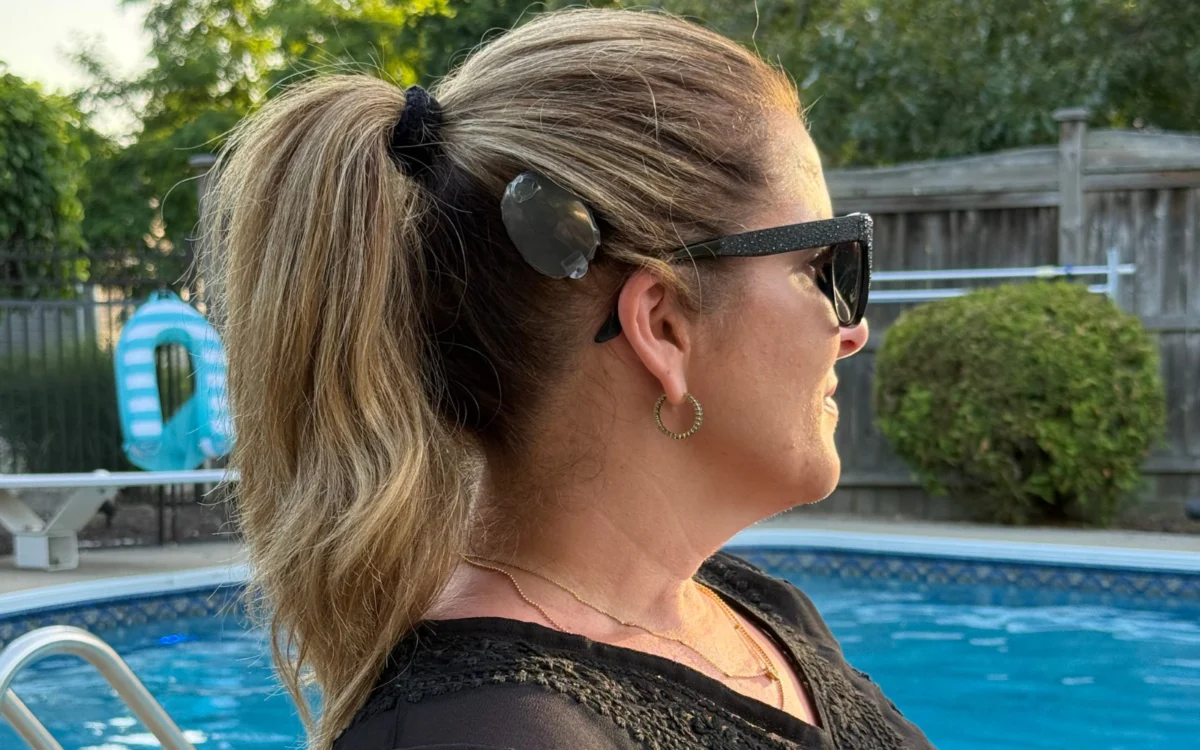
The introduction of MED-EL’s WaterWear accessory years ago marked a turning point for Dr. Brogan. The initial impact was profound and, for her, entirely unexpected. "One of the biggest surprises with WaterWear was realizing I could actually hear while I was fully submerged," she states, her voice conveying a sense of enduring wonder. This revelation was not a gradual adjustment but an immediate, transformative experience. The ability to hear underwater, a sensation previously unimaginable, opened a new dimension of sensory engagement.
One particularly poignant memory encapsulates the emotional significance of this newfound auditory freedom. "One of my favorite memories with WaterWear is floating on an inflatable in my pool, completely relaxed, while still hearing my kids laughing and splashing around me," Dr. Brogan shares. This simple yet profound moment illustrates the power of WaterWear to foster connection and presence, allowing her to fully participate in her children’s joy without the barrier of silence.

Travel Without Compromise: Embracing Exploration with Confidence
Travel has always been an integral part of Dr. Brogan’s life, and with WaterWear, her adventures have become more immersive and less constrained. "WaterWear comes with me everywhere," she affirms. The accessory has fundamentally reshaped her vacation experiences, liberating her from the constant anxiety of protecting her devices. "I can enjoy hotel pools, hot tubs, beaches, boats, and lakes without constantly thinking about my hearing equipment," she elaborates.
A particularly vivid recollection stems from a family trip to Arizona. While on a speedboat excursion, her daughter was wakeboarding. When the boat stopped to allow for swimming, Dr. Brogan could seamlessly join in the water activities. "Before WaterWear, I never would have done that," she confesses, emphasizing the profound shift in her willingness to engage. This anecdote underscores how the technology has not only restored auditory function but has also rekindled a sense of spontaneity and adventurous spirit.
Beyond Waterproofing: Reconnecting with Life’s Moments
Dr. Brogan’s dual perspective as both an audiologist and a cochlear implant user provides a unique vantage point on the impact of accessories like WaterWear. She frequently encounters individuals who harbor reservations about pursuing hearing implants due to concerns about their ability to engage in water-related activities. "I understand that fear because I had it myself," she acknowledges. For her, WaterWear transcended mere protection for her processors; it was a catalyst for reconnection.
The implications extend beyond individual experiences, offering a broader perspective on the philosophy of assistive technology. "Accessories like this are important because they allow people to keep living the life they already have instead of adapting their lives around their hearing technology," Dr. Brogan advocates. This philosophy champions a future where technology seamlessly integrates into existing lifestyles, rather than dictating them. Whether engaged in paddleboarding, kayaking, boating, or simply enjoying an afternoon at the beach, the ability to hear the surrounding environment is paramount.
This auditory connection is not merely about enjoyment; it is intrinsically linked to communication and safety. "With WaterWear, I can hear people talking, I can hear the boat, and I can stay connected to conversations. That’s enjoyable, but it’s also important for communication and safety," she stresses. This dual benefit highlights the multifaceted value of such innovations.
The Unquantifiable Gift of Confidence
If there is one word that encapsulates the transformative impact of cochlear implants and WaterWear, it is "confidence." This newfound self-assurance empowers individuals to remain socially engaged, to embrace new experiences, and to participate fully without the pervasive fear of being excluded or misunderstood due to hearing limitations. "Before WaterWear, I often avoided being around water because I knew I’d eventually have to remove my processors. Now, instead of feeling distressed, I feel confident, connected, and free to enjoy the activities I love with the people I love," Dr. Brogan articulates with palpable emotion.
Expert Insights and Frequently Asked Questions
Dr. Brogan’s journey and insights have led to the compilation of valuable advice for those considering or new to using WaterWear:
- Can you really hear while swimming? "Yes. One of the biggest surprises for me was realizing I could still hear even while fully submerged." This statement directly addresses a common misconception and highlights the functional capability of the technology.
- Is WaterWear only useful for swimming? "Not at all. I use it whenever I’m around water—on boats, paddleboards, at the beach, in hot tubs, at lakes, and during family vacations." This expands the utility of WaterWear beyond its namesake activity, demonstrating its versatility in various aquatic and semi-aquatic environments.
- Who can benefit from WaterWear? "I think anyone who enjoys being active around water can benefit. Children playing at splash pads, families at the pool, people who love boating, kayaking, rafting, paddleboarding, cruises, or simply relaxing at the beach can all stay connected to the sounds around them." This broadens the scope of potential beneficiaries, emphasizing inclusivity and the universal desire to participate in enjoyable activities.
- Does WaterWear really make a difference? "Absolutely. For me, it wasn’t just about protecting my processors. WaterWear gave me the confidence to participate again instead of sitting on the sidelines." This reiterates the profound psychological impact of the technology, moving beyond mere functionality to address emotional and social well-being.
Living Life on Own Terms: A Testament to Technological Advancement
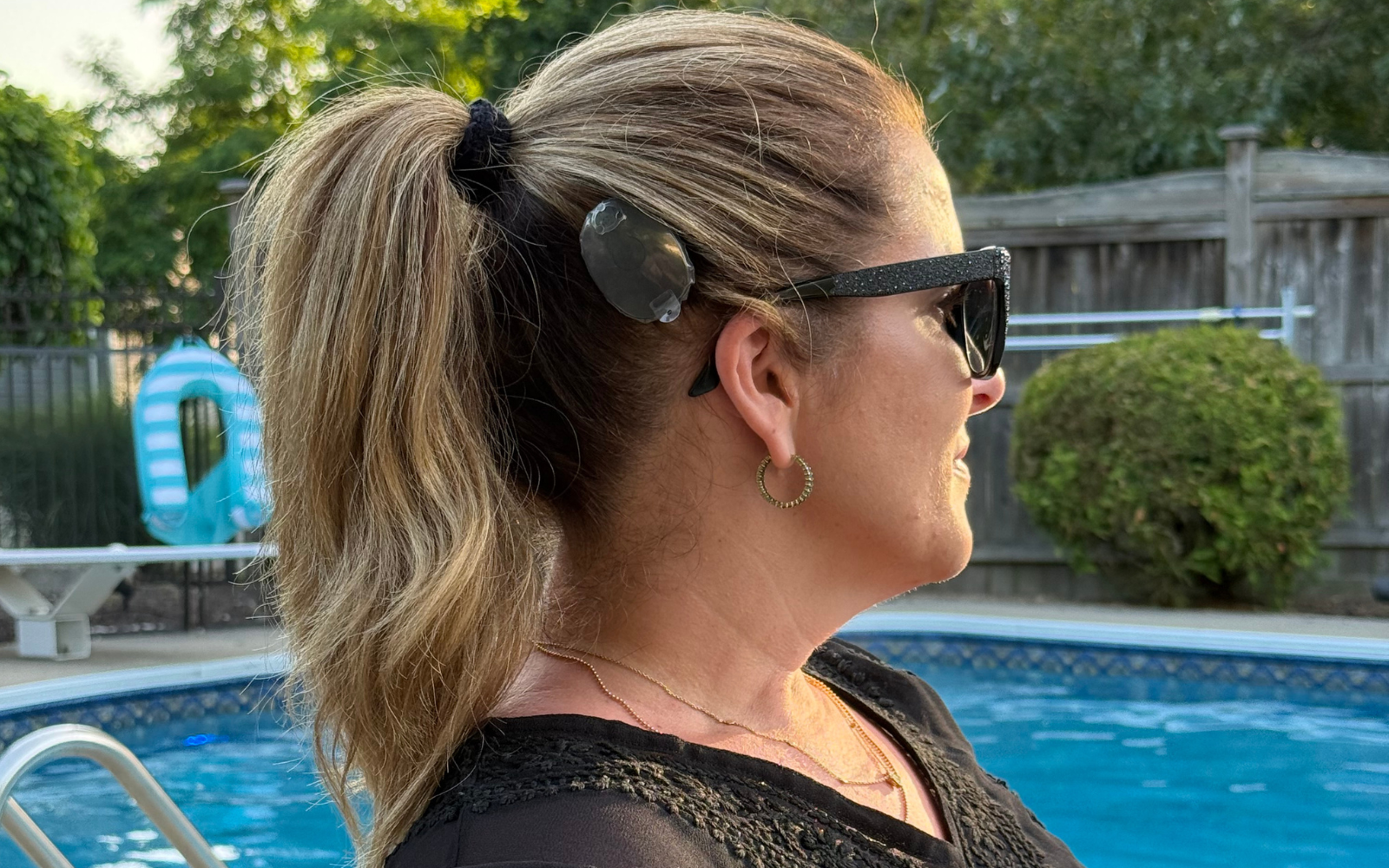
The question of whether cochlear implants have limited Dr. Brogan’s lifestyle elicits a resolute answer: "There is very little in my life that I’ve had to give up." Her continued engagement in skiing, cycling, paddleboarding, extensive travel, and outdoor pursuits stands as a testament to the liberating power of modern hearing solutions. Rather than restricting her world, her cochlear implants have served to expand it.
The most rewarding aspect of her profession, she notes, is witnessing similar transformations in others. The gradual reclamation of lost moments and experiences, accompanied by enhanced connection, confidence, and diminished fear, is a recurring theme in her practice. "I’ve experienced that change myself, and it never gets old," she concludes, underscoring the enduring impact of these technological advancements.
Broader Implications for the Hearing Loss Community
The success of individuals like Dr. Nashlea Brogan with accessories like WaterWear has significant implications for the broader hearing loss community. It signifies a maturing of assistive technology, moving beyond purely functional restoration to encompass lifestyle integration and emotional well-being. As the technology continues to evolve, the focus will likely shift towards even greater durability, user-friendliness, and aesthetic integration.
The availability of such solutions can also play a crucial role in challenging societal perceptions of hearing loss. By enabling individuals to participate fully and confidently in activities previously considered inaccessible, these technologies help to dismantle barriers and promote a more inclusive society. Furthermore, the emphasis on maintaining existing lifestyles rather than adapting to technology reinforces the idea that hearing loss is a condition to be managed, not a life-altering limitation that necessitates sacrifice.
The ongoing development and accessibility of waterproof solutions for hearing implants are not merely about enjoying a day at the beach; they represent a profound restoration of agency and an affirmation of the right to participate fully in all aspects of life. For individuals like Dr. Brogan, WaterWear has been more than just an accessory; it has been a key to unlocking a world of aquatic freedom, allowing them to live life on their own terms, connected to the sounds and moments that matter most.