The vestibular system is a complex network located within the inner ear that works in tandem with the brain to control balance, spatial orientation, and posture. It is also responsible for stabilizing vision during head movement. When this system is compromised—whether through infection, injury, genetics, or environmental factors—the results are often catastrophic for the individual’s sense of stability. Unlike many other health conditions, vestibular dysfunction affects the very foundation of how a human being interacts with their physical environment.
The Scale and Scope of Vestibular Dysfunction
To understand the impact of these disorders, one must look at the data provided by public health organizations. According to the National Institute on Deafness and Other Communication Disorders (NIDCD), approximately 35% of U.S. adults aged 40 years and older—roughly 69 million people—have experienced some form of vestibular dysfunction. Despite this high prevalence, vestibular disorders remain under-diagnosed and under-treated.
The economic implications are equally significant. Research indicates that balance disorders are among the most common reasons for primary care visits. For older adults, vestibular impairment is a leading cause of falls, which the Centers for Disease Control and Prevention (CDC) identifies as a major source of injury-related deaths and healthcare costs, exceeding $50 billion annually in the United States alone. For younger patients, the episodic nature of conditions like Meniere’s disease or vestibular migraine can lead to substantial lost productivity and long-term unemployment.
A Chronology of Understanding: From Mystery to Medical Recognition
The history of vestibular science is a relatively modern development compared to other fields of medicine. In the mid-19th century, French physician Prosper Ménière was the first to suggest that vertigo originated in the inner ear rather than the brain, a revolutionary idea at the time. Throughout the 20th century, the development of the electronystagmography (ENG) and later the video head impulse test (vHIT) allowed clinicians to measure the vestibulo-ocular reflex with greater precision.
The legal recognition of these disorders followed a similar trajectory. The passage of the Americans with Disabilities Act (ADA) in 1990 marked a turning point, establishing that disability is not defined solely by visible impairment but by the functional limitation of major life activities. This includes walking, seeing, hearing, and concentrating—all of which are frequently compromised in vestibular patients. In the decades since, the emergence of vestibular rehabilitation therapy (VRT) has provided a structured path for recovery, though access to specialized care remains a hurdle for many.
The Invisible Struggle: Navigating a "Looking Fine" Reality
The defining characteristic of a vestibular disorder is the "invisible" nature of the symptoms. A patient may appear perfectly healthy while experiencing a sensation of constant motion, similar to being on a boat in rough seas. This discrepancy between appearance and internal experience often leads to skepticism from employers, family members, and even medical professionals.
Common symptoms that contribute to this invisible disability include:
- Vertigo and Dizziness: Sudden attacks of spinning can occur without warning, rendering the individual unable to drive or stand.
- Oscillopsia: A visual impairment where the environment appears to bounce or shake when the head moves, making reading and navigation nearly impossible.
- Cognitive Dysfunction: Often referred to as "brain fog," this includes difficulty with spatial memory, word-finding, and multitasking.
- Sensory Overload: Environments with fluorescent lighting, patterned carpets, or loud noises can trigger a "vestibular crisis," leading to intense nausea and disorientation.
"The psychological toll of having to constantly ‘prove’ one’s illness is immense," notes a spokesperson for the Vestibular Disorders Association (VEDA). "Patients often report that the social isolation resulting from being misunderstood is just as debilitating as the physical dizziness itself."
The Burden of Vestibular Fatigue and Cognitive Impact
A critical, yet frequently overlooked, aspect of vestibular disorders is the extreme fatigue associated with the condition. In a healthy individual, balance is an automatic process that requires zero conscious effort. However, when the vestibular system provides inaccurate data, the brain must work overtime, utilizing visual and proprioceptive (muscular) cues to maintain an upright position.
This constant compensatory mechanism drains the body’s energy reserves. Tasks that are mundane for others—such as walking through a grocery store or attending a 30-minute meeting—can leave a vestibular patient exhausted for hours or even days. This "vestibular fatigue" is not simply being tired; it is a total systemic drain that affects cognitive processing speed and emotional regulation.
Research into the cognitive-vestibular link has shown that the vestibular system is deeply integrated with the hippocampus and the parietal cortex, areas of the brain responsible for navigation and memory. Consequently, patients often struggle with a sense of "depersonalization" or "derealization," where they feel detached from their surroundings. This further complicates their ability to hold traditional employment or engage in complex social interactions.
Legislative Protections and Workplace Accommodations
Under the ADA, vestibular disorders are recognized as legitimate disabilities if they substantially limit one or more major life activities. This legal framework requires employers to provide "reasonable accommodations" to qualified individuals. In the context of vestibular dysfunction, these accommodations might include:
- Flexible Scheduling: Allowing for remote work or adjusted hours to manage "bad" days or episodes of vertigo.
- Environmental Modifications: Reducing visual triggers by installing anti-glare screens, using warm lighting instead of fluorescent bulbs, or providing a quiet workspace.
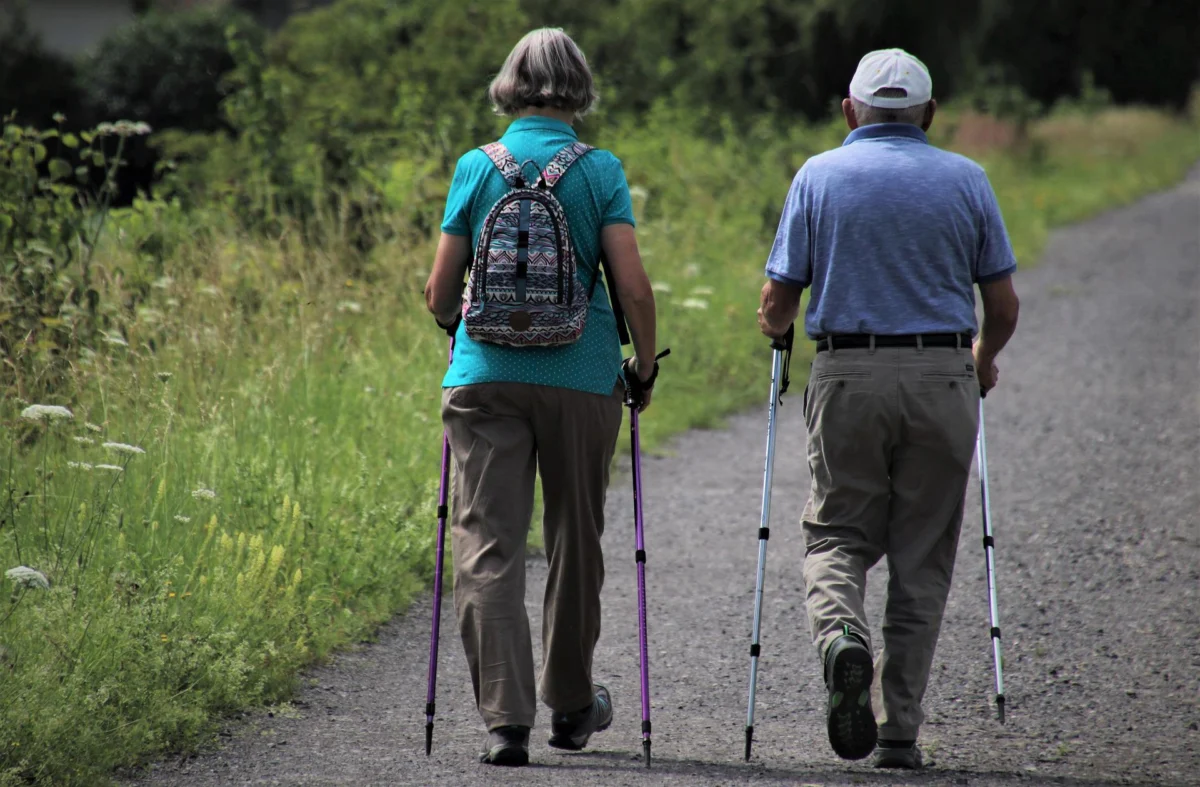
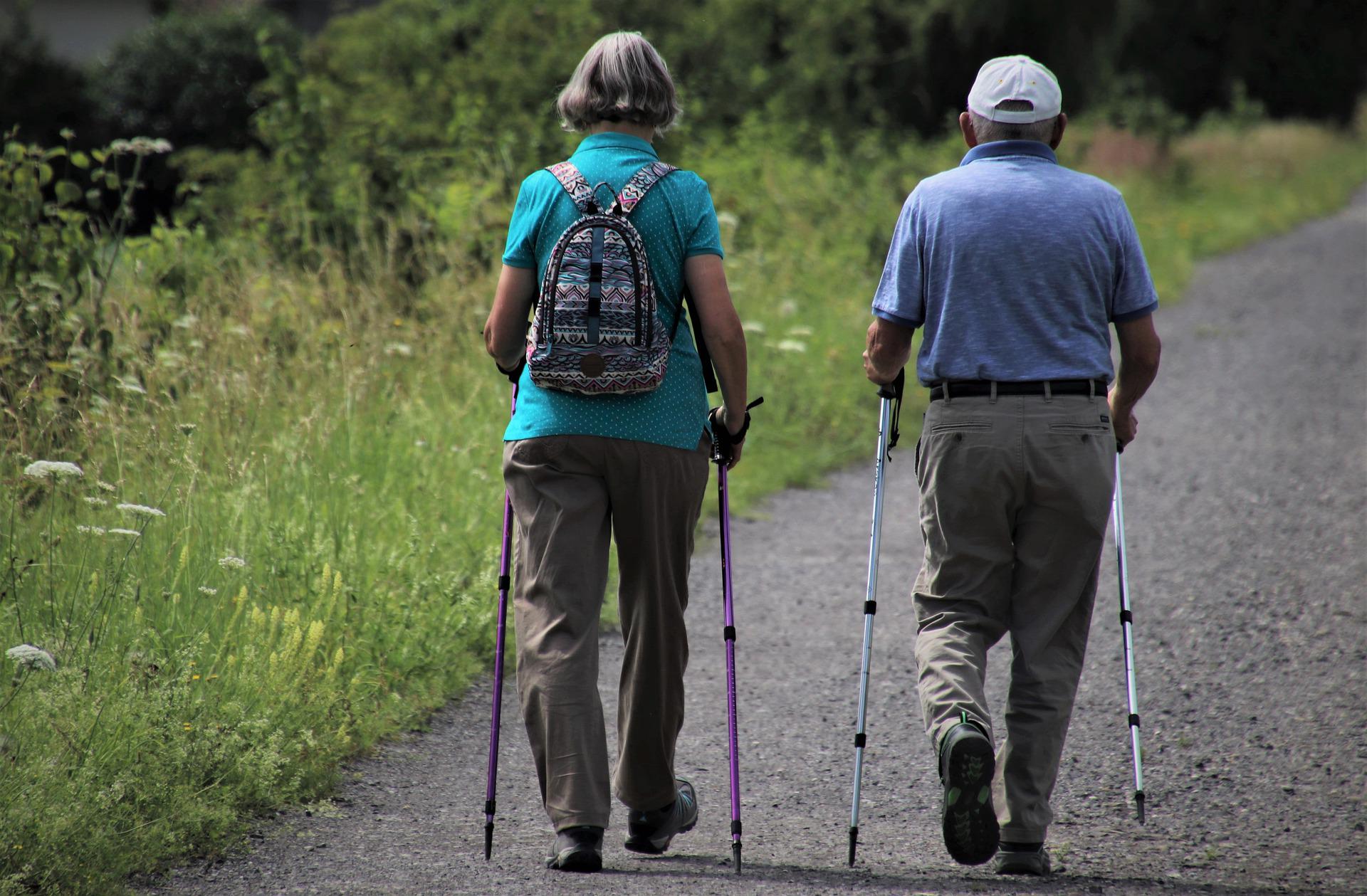
- Mobility Aids: Normalizing the use of walking poles or canes, even for individuals who do not appear to have a permanent mobility issue.
- Recovery Breaks: Allowing for short periods of rest to mitigate sensory overload and cognitive fatigue.
Despite these protections, many individuals remain hesitant to disclose their condition for fear of being viewed as unreliable. Analysis suggests that a lack of workplace education regarding invisible disabilities contributes to a higher-than-average turnover rate among this demographic.
Expert Analysis: The Implications for Public Health and Policy
As the global population ages, the prevalence of vestibular-related disability is expected to rise. Medical experts argue that a paradigm shift is needed in how healthcare systems approach balance disorders. "We are facing a looming crisis in geriatric care," says Dr. Elena Rodriguez, a specialist in neuro-otology. "If we do not improve early detection of vestibular dysfunction, we will see an exponential increase in fall-related hospitalizations and a subsequent loss of independence for millions of seniors."
Furthermore, the rise of digital technology presents new challenges. The increasing use of virtual reality (VR) and high-refresh-rate screens can trigger symptoms in susceptible individuals, a phenomenon known as "cybersickness," which shares many characteristics with traditional vestibular disorders. This suggests that accessibility in the digital age must also account for those with vestibular sensitivities.
Conclusion: Reframing Disability through the Lens of Strength
Disability Pride Month serves as a reminder that disability is a natural part of the human experience. For the vestibular community, the month is an opportunity to reclaim the narrative from one of "suffering" to one of "endurance." Living with a chronic balance disorder requires an extraordinary level of mental and physical fortitude. Every step taken by a person with vestibular dysfunction is an act of calculated effort and courage.
The goal of increasing awareness is to foster a society where accommodations are not viewed as special favors, but as essential tools for equity. When invisible disabilities are acknowledged, the burden of "proving" one’s struggle is lifted, allowing individuals to focus on adaptation and participation.
While many vestibular conditions are chronic, they are not necessarily a barrier to a fulfilling life. Through a combination of medical intervention, physical therapy, and societal support, many patients find ways to thrive. The "strength" celebrated this July is found in the persistence of those who continue to navigate a world that feels as though it is constantly shifting beneath their feet. By making the invisible visible, the broader community can better support the dignity, rights, and contributions of all individuals, regardless of how they experience the world around them.