

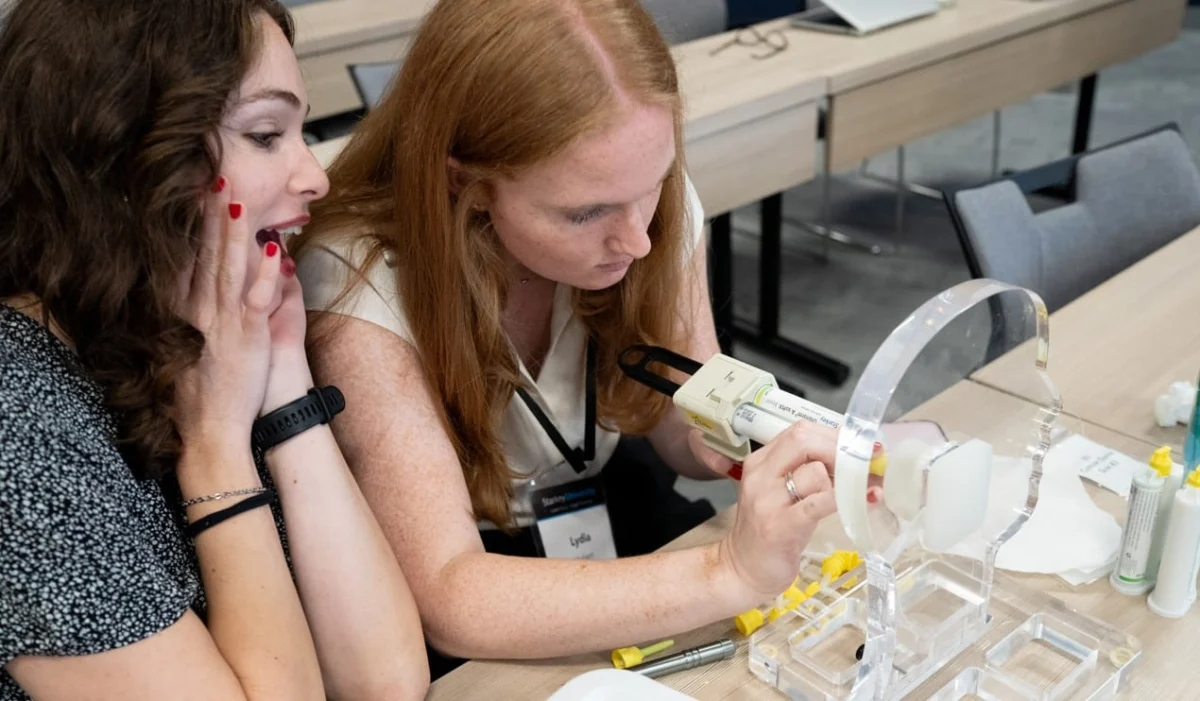
The comprehensive workshop saw students representing a diverse cohort from 40 distinguished university audiology programs. Participants engaged in a dynamic series of sessions that delved into the most critical and innovative aspects of modern audiology. Key focus areas included the revolutionary impact of AI-powered hearing technology, foundational and advanced principles of hearing science, the imperative of patient-centered care, the adoption of clinical best practices, and a forward-looking examination of the expanding role of hearing technology in supporting not just auditory function, but also broader communication, cognitive health, and overall wellness. The curriculum was carefully curated to ensure students gained a holistic understanding of their future profession, emphasizing both technical proficiency and empathetic patient engagement.
"As hearing technology continues to evolve at an unprecedented pace, it’s essential that we support and uplift audiology students early and equip them with the knowledge, skills, and confidence to harness these innovations for the benefit of their future patients," stated Sara Burdak, Au.D., Chief Audiology Officer and EVP of Product Strategy at Starkey. "Starkey University creates meaningful opportunities for students to learn directly from experts, experience innovation firsthand, and leave inspired and prepared to shape the future of hearing healthcare." Dr. Burdak’s remarks highlight the strategic importance of early intervention in professional development, ensuring that new audiologists are not merely reactive to technological shifts but are active participants in driving progress and delivering superior patient outcomes.
A Legacy of Educational Investment and Innovation
The Starkey University Workshop is more than just an annual event; it is a cornerstone of Starkey’s long-standing investment in education and professional development, a commitment that dates back to the company’s founding in 1967 by Bill Austin. From its inception, Starkey has championed the idea that advancements in hearing technology must be paralleled by advancements in the expertise of the professionals who deliver these solutions. This philosophy has driven decades of initiatives aimed at fostering a highly skilled and knowledgeable audiology workforce. The workshop, which has grown significantly in scope and attendance over the years, represents a formalized and intensive expression of this dedication, offering a unique platform for academic and industry collaboration.
In an era where the prevalence of hearing loss continues to rise globally – affecting over 1.5 billion people worldwide to some degree, according to the World Health Organization – the demand for highly competent audiology professionals is more critical than ever. The U.S. Bureau of Labor Statistics projects continued growth in the audiology profession, driven by an aging population and increased awareness of the links between hearing health and overall well-being. Workshops like Starkey University play a vital role in preparing students to address this significant public health challenge, equipping them with the tools and perspective needed to make a tangible difference in patients’ lives.
Immersive Learning: From Classroom to Clinic and Beyond

The workshop’s structure was intentionally designed to move beyond traditional classroom lectures, integrating a variety of interactive and practical learning activities. Students were given unparalleled opportunities to work directly with Starkey leaders, research scientists, and renowned industry experts. These interactions facilitated not just knowledge transfer, but also mentorship and networking, allowing students to gain practical insights and build connections that will serve them throughout their careers. Practical learning activities included hands-on demonstrations of the latest hearing aid technologies, simulated patient fitting scenarios, training on advanced diagnostic equipment, and engaging in case study analyses that replicated real-world clinical dilemmas.
One of the most enriching components of the program was the exclusive tour of Starkey’s sprawling global headquarters in Eden Prairie. This behind-the-scenes access provided students with a comprehensive understanding of the entire lifecycle of hearing technology, from initial conceptualization and cutting-edge research to sophisticated engineering and high-precision manufacturing operations. Witnessing the intricate processes involved in developing and producing advanced hearing devices offered a profound appreciation for the multidisciplinary effort required to bring innovative solutions to market. Students learned about the rigorous testing protocols, quality control measures, and the continuous cycle of innovation that defines Starkey’s approach to product development. This direct exposure to the research and development teams instilled a deeper understanding of the technical considerations and scientific principles that underpin their future profession.
The Future is Now: AI, Cognition, and Patient-Centered Care
A significant portion of the workshop curriculum was dedicated to the burgeoning field of AI-powered hearing technology. As artificial intelligence continues to revolutionize various sectors, its application in hearing aids is transforming the patient experience. Students explored how machine learning algorithms enable hearing aids to adapt in real-time to complex sound environments, personalize sound processing based on individual preferences and listening habits, and even integrate with other smart devices for enhanced connectivity and functionality. Discussions extended to the ethical implications of AI in healthcare, data privacy, and the importance of clinicians understanding these sophisticated systems to effectively counsel patients.
Furthermore, the workshop emphasized the expanding understanding of hearing’s impact on cognitive function and overall wellness. Research increasingly demonstrates a strong link between untreated hearing loss and cognitive decline, social isolation, and an increased risk of other health issues. Students learned how modern hearing technology is engineered not just to amplify sound, but to support the brain’s natural processing of sound, thereby mitigating cognitive load and promoting better brain health. This holistic perspective on patient care, moving beyond mere audibility to address broader quality of life, represents a paradigm shift in the audiology profession.
Patient-centered care was another cornerstone of the program. Recognizing that technology alone is not sufficient, students engaged in sessions focused on developing empathy, effective communication strategies, and cultural competence. The goal was to instill a deep understanding that successful hearing healthcare involves not only technical expertise but also the ability to build trust, understand patient needs and lifestyles, and provide personalized counseling and support. This approach prepares future audiologists to empower their patients to actively participate in their hearing health journey, leading to greater satisfaction and better long-term outcomes.
Voices from the Field: Perspectives on the Workshop’s Impact
The feedback from participants and academic partners consistently highlighted the workshop’s profound impact. "Coming here has been eye-opening," remarked Sarah Chen, a third-year audiology student from the University of Texas at Dallas. "We learn about these technologies in theory, but to actually see the R&D labs, interact with the engineers, and get hands-on experience with the latest AI-driven devices has solidified my understanding and really ignited my passion for this field. It makes me feel incredibly prepared for what’s next."

Dr. Emily Thorne, Director of Audiology Programs at Northwestern University, echoed this sentiment. "Partnerships with industry leaders like Starkey are absolutely vital for modern audiology education. The Starkey University Workshop provides an invaluable complement to our academic curriculum, offering our students direct exposure to the cutting edge of innovation and clinical practice. This kind of experiential learning is critical for developing well-rounded, forward-thinking audiologists who can immediately contribute to the profession."
The workshop also fostered invaluable networking opportunities, allowing students to connect with peers from different university programs, fostering a sense of community and collaboration that extends beyond their individual institutions. These connections are crucial for building a strong professional network and facilitating future collaborations in research and clinical practice.
Broader Implications for Hearing Healthcare
Starkey’s ongoing investment in educational initiatives like the Starkey University Workshop carries significant implications for the entire hearing healthcare ecosystem. By actively shaping the next generation of professionals, Starkey is not only reinforcing its own leadership position but also contributing to the overall advancement and standardization of the audiology profession. The workshop serves as a crucial pipeline for talent, ensuring that the workforce is equipped with the skills necessary to adapt to rapid technological advancements and evolving patient needs.
Furthermore, by emphasizing AI, connectivity, and the holistic impact of hearing on wellness, Starkey is helping to define the future direction of hearing healthcare. This proactive approach encourages students to think beyond traditional diagnostic and fitting roles, envisioning themselves as integral components of a broader healthcare network that addresses cognitive health, mental well-being, and preventative care. As hearing technology becomes more sophisticated and integrated into daily life, the role of the audiologist will expand, requiring a deeper understanding of technology, psychology, and interdisciplinary collaboration.
The success of the Starkey University Workshop reflects a broader industry trend towards greater collaboration between academic institutions and technology developers. Such partnerships are essential for ensuring that educational programs remain relevant and responsive to the rapid pace of innovation. By providing students with practical, industry-informed experience, these workshops contribute to a more competent, confident, and innovative audiology workforce, ultimately leading to improved patient outcomes and a more accessible, effective hearing healthcare system for all.
Starkey, headquartered in Eden Prairie, Minnesota, remains the only American-owned hearing aid manufacturer. Since its founding by Bill Austin in 1967 and currently led by Brandon Sawalich, the company has consistently driven breakthroughs in unmatched sound clarity and intelligent hearing technology, including pioneering AI applications. With over 5,000 professionals across 29 facilities, Starkey delivers advanced hearing solutions to customers in more than 100 markets worldwide, solidifying its position as a global innovator dedicated to connecting people through superior hearing experiences. The Starkey University Workshop stands as a testament to this enduring commitment, ensuring that the future of hearing healthcare is in capable and well-prepared hands.


