Understanding Auditory Neuropathy Spectrum Disorder
Auditory Neuropathy Spectrum Disorder is a unique hearing condition where the inner ear successfully detects sound, but the transmission of signals from the ear to the brain is impaired. Unlike traditional sensorineural hearing loss, which often involves damage to the hair cells in the cochlea, ANSD affects the auditory nerve or the synapse between the hair cells and the nerve. This results in significant challenges with speech perception, particularly in environments with background noise.
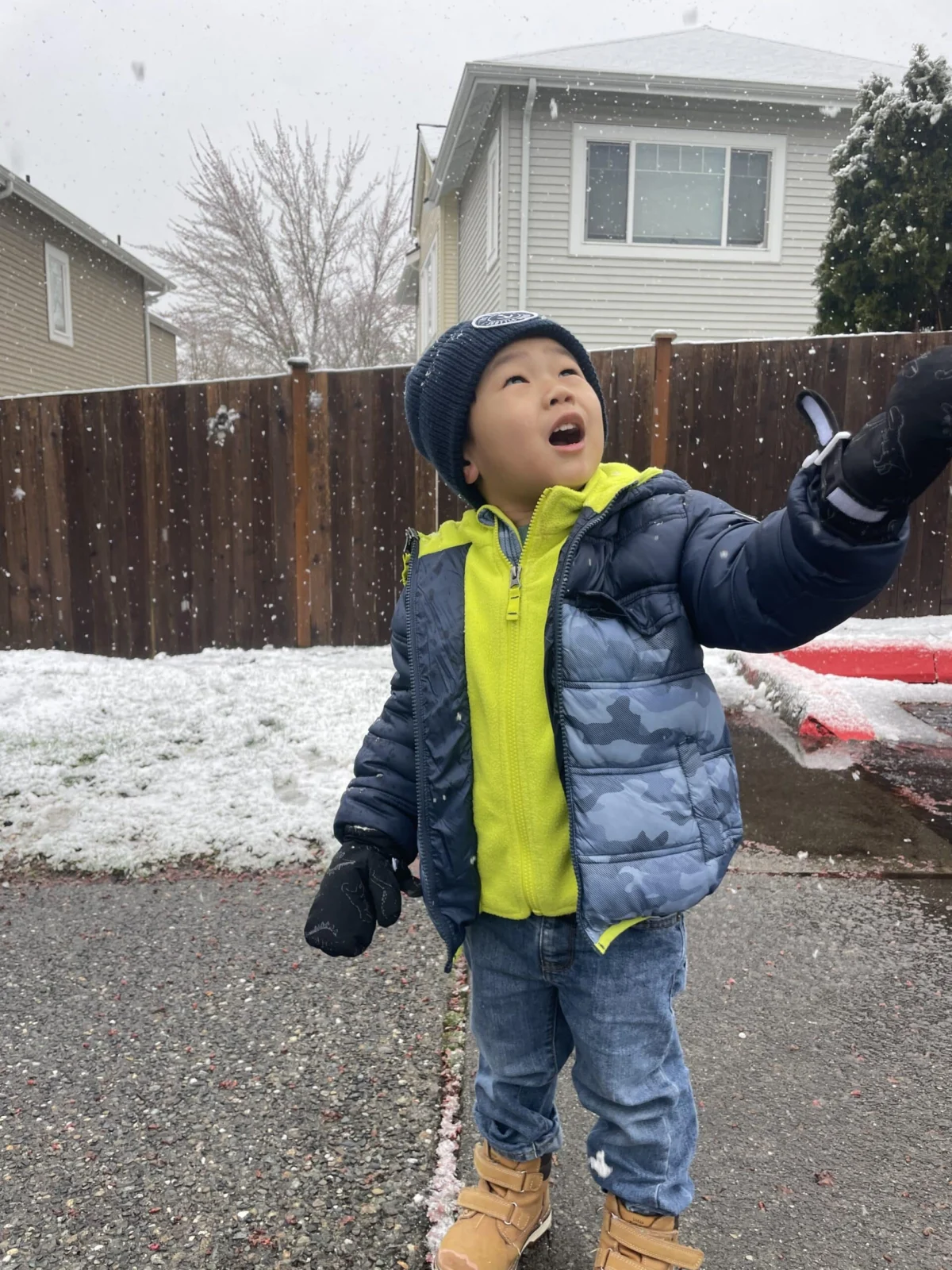
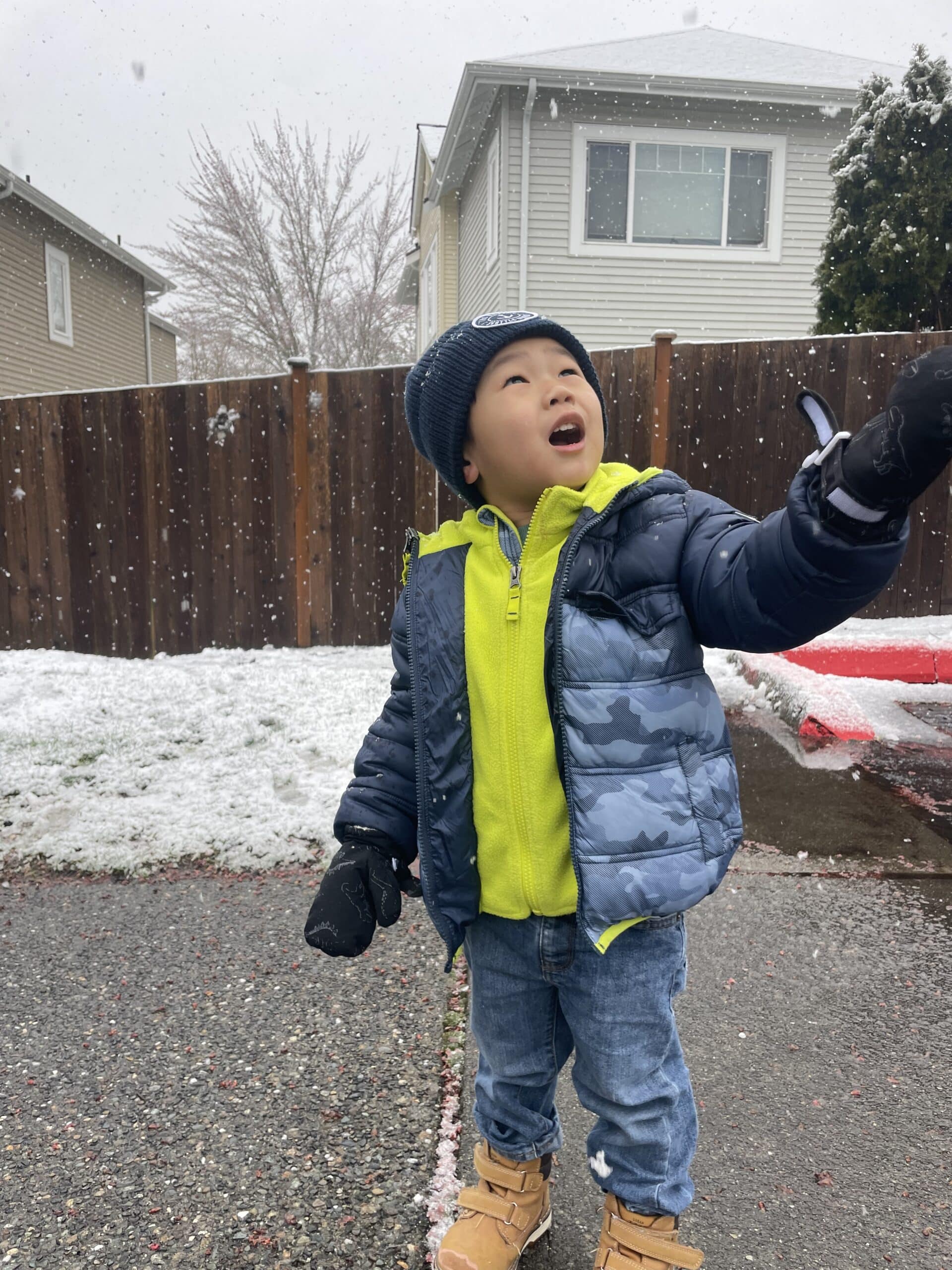
For families like Raiden’s, the diagnosis marks the beginning of a lifelong process of adaptation. Clinical data suggests that early detection—ideally within the first few months of life—is the single most significant factor in long-term developmental success. Without timely intervention, children with ANSD are at a higher risk for delays in speech, language, and social-emotional development. In Raiden’s case, the diagnosis prompted an immediate need for auditory support, leading to the use of a hearing aid in his right ear to bridge the gap in sound reception.
The Evolution of the Blended Classroom Model
The choice of an educational environment is one of the most consequential decisions parents of children with hearing loss must make. While local public preschools are often the default option, they may lack the specialized infrastructure required for optimal auditory development. Listen & Talk distinguishes itself through its "Blended Classroom" model, which integrates children with hearing loss alongside their typically hearing peers.
The philosophy behind this model is rooted in the "auditory-rich" environment, which relies on the neuroplasticity of the developing brain. By surrounding children with high-quality language models—both from teachers and from hearing peers—students with hearing loss are encouraged to develop natural speech and advocacy skills. This approach moves beyond simple clinical therapy, fostering a social ecosystem where communication is the primary vehicle for learning.
Key components of this specialized environment include:
- On-site Audiology Services: Immediate access to diagnostic booths and technicians who can calibrate amplification technology in real-time.
- Acoustically Treated Classrooms: Spaces designed to minimize reverberation and background noise, which are critical for students using hearing aids or cochlear implants.
- Integrated Speech Therapy: Rather than isolating students, the program incorporates pull-out sessions for speech and language therapy within the school day, ensuring continuity of care.
A Chronology of Progress
The timeline of Raiden’s progress highlights the rapid advancements possible when the correct support systems are in place. Upon his enrollment in the fall, the family faced logistical hurdles, including a one-hour daily commute. However, the decision to prioritize specialized education over proximity proved transformative.
In the initial weeks, the focus was on desensitization—helping Raiden become comfortable with the physical presence of his hearing aid. Through collaborative efforts between his parents and the specialized staff, they implemented techniques to reduce "ear defensiveness," a common sensory reaction among children with hearing devices.
Within a matter of months, the results were measurable:
- Increased Compliance: Raiden transitioned from resisting his hearing aid to wearing it consistently for extended periods.
- Linguistic Expansion: His expressive language moved from rudimentary 1-to-2 word phrases to more complex 3-to-4 word sentence structures.
- Social Agency: He began demonstrating the capacity to initiate conversations, a hallmark of improved self-confidence and auditory processing.
The Macro View: Advocacy and Early Intervention
The success observed in individual cases like Raiden’s is reflective of a broader shift in pediatric audiology and education. Experts in the field of deaf education emphasize that advocacy is not merely a secondary skill but a core component of the curriculum. Children who learn to identify their own communication needs—such as requesting a teacher to face them while speaking or asking for a clarification—are significantly more likely to succeed when they transition to mainstream Kindergarten and primary education.
According to data from the National Institute on Deafness and Other Communication Disorders (NIDCD), early intervention programs that emphasize auditory development can effectively narrow the achievement gap between children with hearing loss and their hearing peers. The Listen & Talk program facilitates this by teaching students the vocabulary to explain their hearing loss to peers, coaches, and teachers. This self-advocacy training is designed to build the foundation for lifelong inclusion.

Economic and Social Implications of Early Support
The financial and social burden of managing childhood hearing loss is substantial. Beyond the cost of medical devices, families often face expenses related to specialized therapy and the potential loss of productivity for parents acting as primary caregivers. Social impact enterprises like Listen & Talk rely on a blend of tuition, public funding, and private philanthropy to keep these services accessible.
Donations to such organizations are not merely charitable contributions; they are investments in future human capital. By funding early intervention, speech therapy, and parent education, these programs reduce the long-term reliance on specialized social services. When a child successfully navigates their hearing loss in a blended classroom, they are more likely to integrate fully into the general workforce and academic systems as adults.
Future Outlook and Community Responsibility
As the landscape of pediatric care continues to evolve, the demand for high-quality, specialized education remains high. The vision that "no child is limited by hearing loss" requires a sustained commitment from the community to provide the resources necessary for early diagnosis and intervention.
The story of Raiden is one of many. It illustrates that while a diagnosis of ANSD or other forms of hearing loss provides a set of challenges, it does not dictate a child’s potential. Through the combination of technology, specialized pedagogy, and parental involvement, the barriers to communication are being dismantled.
For the families of children with hearing loss, the takeaway is clear: early, intensive, and environment-specific intervention is the cornerstone of success. As Listen & Talk continues to expand its reach, the focus remains on equipping families with the tools to navigate a world that is not always designed for those with hearing differences. By fostering an environment where advocacy is learned and communication is celebrated, these programs are setting a new standard for what it means to support the deaf and hard-of-hearing community.
As the academic year progresses, the data collected from programs like these will continue to provide insights into the long-term efficacy of the blended classroom model, offering a blueprint for other institutions aiming to improve outcomes for children across the spectrum of hearing loss. The commitment shown by parents like Lace Yamamoto, who prioritize specialized, high-impact education, underscores the profound impact that dedicated advocacy has on the development of the next generation.