
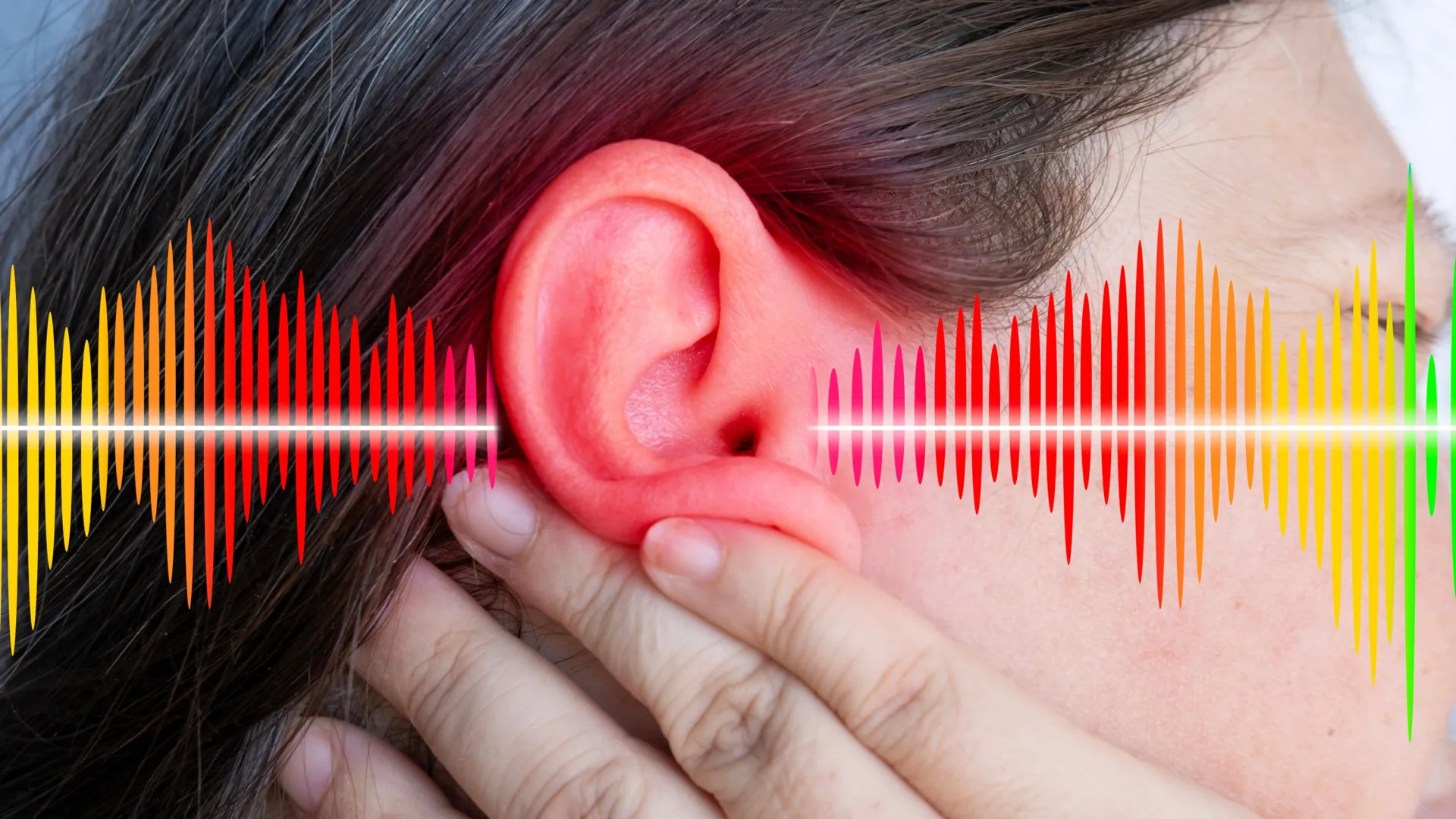
The research was conducted by a collaborative team from Oregon Health & Science University (OHSU) and Anhui University in China. By utilizing advanced optogenetic techniques in animal models, the researchers were able to isolate specific brain circuits and observe how increased serotonin levels directly influence the dorsal cochlear nucleus—the area of the brain where auditory signals are first processed. The findings represent a significant shift in the understanding of phantom sounds and offer a potential roadmap for the development of more targeted neurological treatments.
The Global Burden of Tinnitus and the Role of Mental Health
Tinnitus is a complex neurological condition characterized by the perception of sound in the absence of an external source. It is not a disease in itself but a symptom of an underlying issue, such as age-related hearing loss, ear injury, or a circulatory system disorder. According to recent epidemiological data, approximately 14% of the global adult population—more than 740 million people—experience tinnitus in some form. For roughly 2% of the population, the condition is categorized as "severe," leading to significant impairment in quality of life, including chronic insomnia, cognitive difficulties, and severe emotional distress.
There has long been a documented "vicious cycle" between tinnitus and mental health. The persistent noise often triggers anxiety and depression, which in turn can make the patient more fixated on the sound, further increasing their distress. To break this cycle, clinicians frequently prescribe SSRIs, such as fluoxetine (Prozac) or sertraline (Zoloft). While these medications are effective in treating the psychological impact of the condition, a subset of patients has consistently reported that their tinnitus becomes louder or more intrusive once they begin the medication. Until now, these reports were often dismissed as subjective or secondary to the patient’s psychological state.
Scientific Methodology and the Discovery of the Auditory Circuit
The research team, led by co-senior author Laurence Trussell, Ph.D., a professor of otolaryngology at the OHSU School of Medicine, sought to determine if there was a direct physiological basis for these patient reports. The study focused on the dorsal cochlear nucleus (DCN), a region known to be a "hotspot" for the integration of sensory information.
To observe the effects of serotonin in real-time, the team employed optogenetics. This cutting-edge technology involves genetically modifying specific neurons to make them sensitive to light. By using fiber-optic cables to deliver light pulses directly into the brains of mice, the researchers could "turn on" serotonin-producing neurons with surgical precision.
The experiment revealed that when serotonin levels were elevated in the DCN, certain nerve cells—specifically fusiform cells—became hyperactive. These cells are responsible for relaying auditory information to the higher centers of the brain. The researchers observed that the increased serotonin acted like a "volume knob," turning up the sensitivity of these neurons. Using a modified auditory startle test, the team confirmed that the mice exhibited behaviors consistent with hearing phantom sounds. Conversely, when the researchers deactivated the serotonin-responsive circuit, the tinnitus-like behaviors significantly diminished, proving that the circuit was a primary driver of the symptom.
Chronology of Research: Building on a Decade of Investigation
This latest study is the culmination of years of investigation into the intersection of neurochemistry and auditory processing.
- Early 2000s: Clinical observations began to surface indicating that SSRI usage had a correlated, though unexplained, relationship with tinnitus onset or exacerbation in a minority of patients.
- 2013-2015: Preliminary studies at OHSU began mapping the distribution of serotonin receptors within the auditory brainstem, identifying a high density of these receptors in the dorsal cochlear nucleus.
- 2017: A pivotal study led by Dr. Trussell and Dr. Zheng-Quan Tang, then a postdoctoral scholar at OHSU, was published. This earlier work established that serotonin could affect the plasticity of auditory neurons, suggesting that the brain chemical could "re-wire" how we perceive sound.
- 2021-2023: The team integrated optogenetics and behavioral modeling to move from observation to causation. They transitioned the research to Anhui University and OHSU to validate the specific circuit responsible for the "volume increase" effect.
- Present: The publication in PNAS provides the final piece of the puzzle, identifying the specific neuronal pathway that connects serotonin release to auditory hyperactivity.
Clinical Implications for Antidepressant Prescription
The findings have immediate implications for how physicians manage patients who suffer from both depression and tinnitus. Dr. Trussell emphasized that the study is not a call for patients to stop taking their medications, but rather a guide for more nuanced clinical care.
"People with tinnitus should work with their prescribing physician to find a drug regimen that gives them a balance between relief of psychiatric symptoms like depression and anxiety, while minimizing the experience of tinnitus," Trussell stated. He noted that the validation of patient reports is a crucial step in the therapeutic process. For years, patients who complained that their "ears were ringing louder" after starting an SSRI were sometimes told it was just a side effect of their anxiety. This study provides the biological evidence necessary for clinicians to take these complaints seriously.
Medical professionals may now consider alternative antidepressants that do not primarily target the serotonin system—such as norepinephrine-dopamine reuptake inhibitors (NDRIs)—for patients who are particularly sensitive to tinnitus. Furthermore, the study suggests that the dosage and timing of SSRI administration could be adjusted to mitigate the impact on the auditory system.
Supporting Data: The Scale of the Issue
The intersection of SSRI usage and tinnitus is a significant public health consideration. In the United States alone, approximately 13% of adults take antidepressant medications. Given that tinnitus affects nearly 15% of the population, the overlap of these two groups involves millions of individuals.
Data from the American Tinnitus Association (ATA) suggests that "ototoxicity"—damage to the ear or auditory nerve caused by medication—is a leading concern for patients. While SSRIs are not typically classified as ototoxic in the sense that they cause permanent hearing loss, this research suggests they are "neuromodulatory" in a way that creates a functional equivalent for tinnitus sufferers.
Analysis of patient registries indicates that:
- Approximately 10% to 12% of SSRI users report "tinnitus" or "ear congestion" as a side effect.
- In patients with pre-existing tinnitus, nearly 25% report a noticeable change in the pitch or volume of the sound after starting a serotonin-based medication.
- The severity of the tinnitus often correlates with the dosage of the SSRI, suggesting a dose-response relationship that aligns with the OHSU findings.
Future Research and the Potential for Targeted Therapies
The identification of a specific brain circuit opens the door to a new generation of "tinnitus-aware" pharmaceuticals. The goal, according to the researchers, is to develop drugs that can treat depression without affecting the dorsal cochlear nucleus.
"Our study suggests a delicate balance," Trussell explained. "It may be possible to develop cell- or brain region-specific drugs that steer the elevation of serotonin in some brain regions but not others."
The potential for "localized" drug delivery or the use of specific serotonin receptor antagonists is now a viable field of study. If scientists can identify the exact receptor subtype (such as 5-HT1A or 5-HT2) that triggers the fusiform cells in the auditory system, they could potentially develop a "co-drug" that blocks those receptors in the ear while allowing the SSRI to work in the mood-regulating centers of the brain.
Furthermore, this research may lead to advancements in other treatments, such as Deep Brain Stimulation (DBS) or Transcranial Magnetic Stimulation (TMS). By knowing exactly which circuit to target, neurologists can more effectively calibrate these devices to "quiet" the hyperactive neurons in the auditory system.
Conclusion and Broad Implications
The study published in PNAS serves as a bridge between the fields of audiology and psychiatry. It highlights the profound interconnectedness of the brain’s various systems, showing that a chemical intended to heal the mind can inadvertently affect the senses.
As the scientific community continues to unravel the mysteries of the brain, the focus is shifting toward precision medicine. The discovery by the OHSU and Anhui University teams provides a clear biological mechanism for a phenomenon that was once purely anecdotal. For the millions of people living with the "phantom noise" of tinnitus, this research offers not only validation of their experiences but also the first real hope for treatments that address the chemical roots of the condition.
The study was supported by the National Institutes of Health (NIH), emphasizing the federal commitment to addressing hearing-related disorders. As research moves into human clinical trials, the medical community remains optimistic that the "volume knob" of tinnitus may finally be within reach of being turned down.