The Evolution of Clinical Practice: Moving Beyond the Clinic
For decades, speech-language pathology has been heavily influenced by a medicalized, speech-centric model. Traditionally, AAC intervention has been limited to individual, one-on-one sessions where a clinician provides guidance within the confines of a treatment room. This model, however, has faced increasing scrutiny from both practitioners and the disabled community. Critics argue that relying solely on clinical intervention often fails to account for the social, linguistic, and sensory needs of AAC users.
Ángela Marcela Ordóñez’s decision to develop VOZ SOS CAAPAZ was fueled by a series of critical questions regarding the efficacy of traditional therapy. These included inquiries into whether traditional models were inherently ableist, whether one or two hours of weekly therapy were sufficient for language acquisition, and whether non-speaking individuals were receiving enough exposure to peer-to-peer interactions. Ordóñez recognized that for AAC users to thrive, they require more than just technical proficiency; they require a social environment that validates their diverse modes of expression.
Foundations of the Initiative: A Three-Pillar Approach
The implementation of VOZ SOS CAAPAZ was not a spontaneous development but rather the culmination of three transformative experiences that reshaped Ordóñez’s therapeutic framework.
First, her involvement with the "CAAmigos Angelman" program, led by Claudia Marimón, introduced her to a neuroaffirmative, evidence-based approach to literacy. This program emphasized the "Comprehensive Literacy" model, which treats non-speaking individuals as capable learners who deserve access to high-quality education. Ordóñez notes that this process required her to unlearn deep-seated, traditional biases—specifically the notion that spoken language is the only primary indicator of intelligence or communication competence.
Second, the academic discourse surrounding the rights of AAC users played a pivotal role. The 2025 article "Nothing About AAC Users Without AAC Users," published in the journal AAC by Gran Blasko, served as a catalyst for the project. Blasko’s work challenged the global community of therapists and developers to ensure that the individuals actually using AAC technology are at the center of all research, development, and training.
Third, Ordóñez adopted the "Relationship-Based Learning" pedagogical approach. This framework prioritizes the horizontal nature of the interaction between the AAC user and the communication partner. In this model, the partner—often a parent or a therapist—is not merely an instructor but a co-learner who must adapt to the unique communication style and sensory needs of the user.
Chronology and Operational Implementation
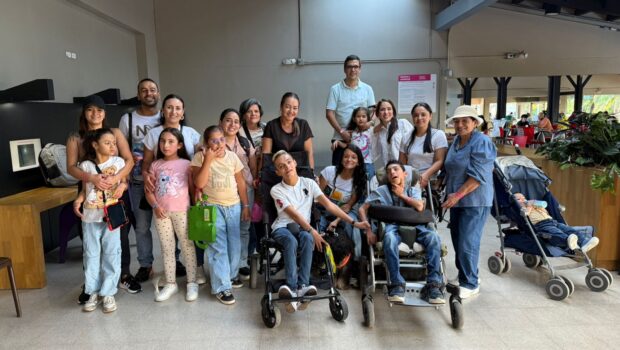
The project took its first physical form in October 2025. Coinciding with International AAC Awareness Month, the inaugural event took place at the Parque Comfama in Rionegro. This was not a lecture or a clinical seminar; it was an experiential gathering designed to bring AAC users into a public, naturalistic environment.
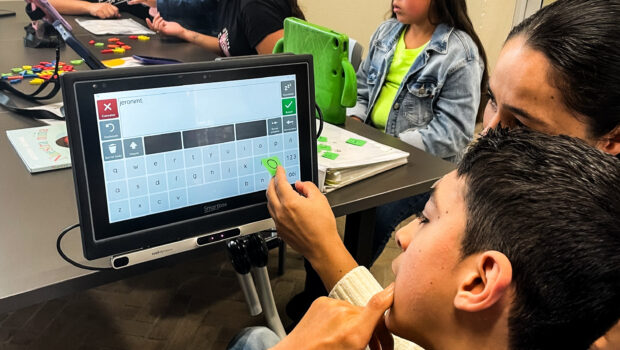
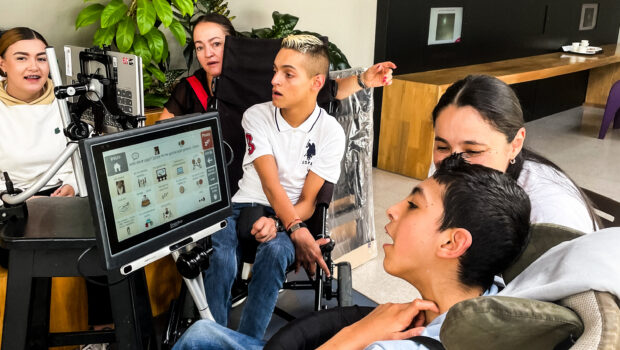
The gathering included six AAC users utilizing a variety of technologies, ranging from high-tech eye-tracking systems like Tobii and Grid 3, to iPad-based applications such as Proloquo2go and TD Snap. The presence of these individuals in a public park served as a form of advocacy, demonstrating the reality of AAC use to the general public, staff, and other visitors.
Following the success of the October event, the project moved into a more structured academic phase in February 2026. This second gathering focused on "Shared Reading" within a public library setting. By applying the principles of Comprehensive Literacy, the group worked on developing print knowledge through meaningful, shared interactions with texts. This initiative seeks to prove that literacy is a fundamental right for all, regardless of an individual’s ability to vocalize.
Data and Participant Feedback
The demographics of these sessions reflect a growing demand for community-integrated services. The October 2025 meeting included:
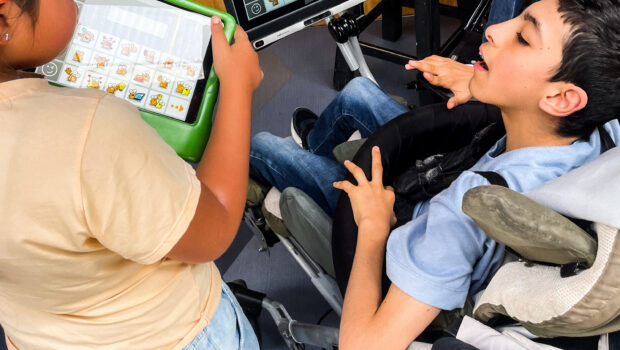
- Users: Six individuals utilizing diverse AAC platforms, including specialized eye-tracking hardware.
- Support: Ten family members, indicating the critical role of the domestic unit in the success of AAC integration.
- Professional Guidance: One AAC-specialized speech-language pathologist.
The feedback from participants has been overwhelmingly positive, highlighting a deep sense of social isolation that these meetings help to mitigate. Pablo Andrés Calderón Gómez, an AAC user who participated in the Rionegro event, expressed the significance of the meeting in a follow-up statement: "I really liked the gathering with Angela because I met other friends. We need more people with this Right to Communication."
Broader Implications for AAC Advocacy
The VOZ SOS CAAPAZ project serves as a microcosm of a larger, global movement toward neuroaffirmative care. By moving these interactions into public, non-clinical spaces, Ordóñez is challenging the stigma surrounding alternative communication.
The implications for the field of speech-language pathology are threefold:
- Normalization of AAC: By hosting events in public spaces like libraries and parks, the project educates the public, reducing the "othering" that non-speaking individuals often face.
- Peer-Led Growth: The project acknowledges that communication is a social act. By bringing AAC users together, it provides a space for them to learn from one another’s strategies, rather than relying solely on the input of a speaking therapist.
- Presuming Competence: This is perhaps the most critical takeaway from the VOZ SOS CAAPAZ philosophy. The project operates on the belief that all individuals possess the ability to learn and the right to communicate. When a therapist "presumes competence," it shifts the goal from "fixing" the individual to providing the tools and environment necessary for them to project their voice.
Looking Ahead: Scaling and Sustainability
While the project currently operates on a monthly cadence due to logistical constraints, the long-term goal is to increase the frequency and geographic reach of these meetings. As more families and professionals join the initiative, the capacity to offer consistent, high-quality literacy and social opportunities will likely grow.
The project highlights a crucial message for families: they should not accept therapeutic models that set "ceilings" on their loved ones’ potential. If a therapy program limits access to communication devices or denies a student access to literacy instruction, it is inherently failing to uphold the rights of the individual.
VOZ SOS CAAPAZ demonstrates that communication is not just about the technical act of pressing a button or tracking an eye-gaze; it is about the right to connect, the right to learn, and the right to be heard in a public, accessible, and inclusive society. For the community in Rionegro, these meetings are not just a service—they are a declaration that every person, regardless of their modality of communication, has a voice that deserves to be acknowledged.