The Critical Window: Early Intervention and Development
Sensorineural hearing loss (SNHL), the most common type of permanent hearing loss, occurs when there is damage to the inner ear or to the nerve pathways from the inner ear to the brain. In the United States, approximately 1.7 per 1,000 infants are born with hearing loss, making early detection and intervention a public health priority. The American Academy of Pediatrics emphasizes the "1-3-6" model: screening by one month of age, diagnosis by three months, and enrollment in early intervention services by six months.
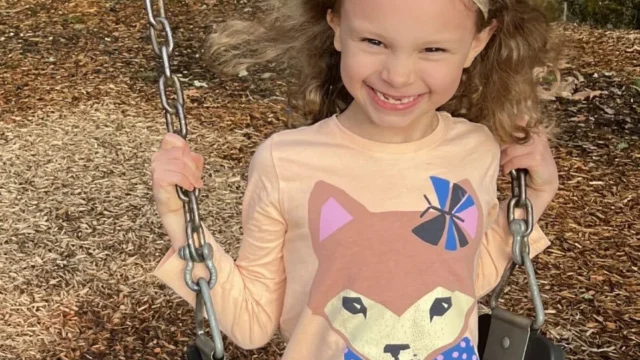
For Amalia, the intervention provided by Listen and Talk was not merely a series of clinical appointments; it was a comprehensive educational framework. By focusing on a listening and spoken language (LSL) approach, the program provided her with the auditory-verbal therapy necessary to capitalize on the neural plasticity of her formative years. This period is biologically significant because the brain is most capable of developing the pathways required for speech and language acquisition. By engaging in these specialized services early, Amalia was able to bridge the gap between her physiological condition and the linguistic requirements of a traditional academic environment.
A Chronology of Progress
The timeline of Amalia’s development underscores the necessity of sustained support. At 10 months, the implantation process provided the hardware for auditory access, but it was the years of intensive rehabilitation that allowed her to make sense of the sound. During her toddler and preschool years, the team at Listen and Talk facilitated an environment where speech and language were not just practiced but integrated into her daily cognition.
This foundational work allowed for a smooth transition into the public school system. Unlike students who receive delayed intervention, those who receive early, intensive support—like Amalia—often demonstrate language proficiency levels on par with their hearing peers by the time they reach elementary school. Her participation in extracurricular activities, such as competitive swimming, track and field, and basketball, highlights the broader outcome of this success: the ability to engage in complex social and physical interactions that require both environmental awareness and communication skills.
Supporting Data on Cochlear Implants and Education
Data from the National Institute on Deafness and Other Communication Disorders (NIDCD) suggests that the age at which a child receives a cochlear implant significantly impacts their long-term educational trajectory. Children implanted before the age of 18 months show significantly higher scores in receptive and expressive language compared to those implanted later in childhood.
Furthermore, the shift toward "mainstreaming"—the practice of placing children with hearing loss in general education classrooms—has been supported by advancements in assistive technology, such as FM systems and remote microphone technology, which pair with cochlear implants to isolate teacher voices in noisy classrooms. Amalia’s success in a general education classroom is a physical manifestation of these statistics. Her story illustrates that with appropriate intervention, the "limiting" nature of hearing loss can be effectively mitigated, allowing for participation in standard academic and athletic environments.

The Broader Impact: The Alumni Family Giving Campaign
The success stories emerging from programs like Listen and Talk have catalyzed the organization’s current initiative: the 2026 Alumni Family Giving Campaign. This campaign is not merely a fundraising effort; it is a strategic attempt to ensure the sustainability of services for the next generation of children with hearing loss.
In the nonprofit sector, donor retention and alumni engagement are critical to maintaining the quality of specialized services. By reaching out to families who have already navigated the system, Listen and Talk aims to create a cycle of support. The goal is to provide current families with the same expertise and encouragement that helped children like Amalia reach their potential. The financial contributions generated by this campaign are directed toward maintaining clinical staff, updating assistive technologies, and providing family counseling services, which are often not fully covered by private insurance or public funding.
Implications for Educational Policy and Accessibility
The broader implications of success stories like Amalia’s reach into the realms of educational policy and insurance reform. While many states have implemented Early Hearing Detection and Intervention (EHDI) programs, there is a persistent gap in access to high-quality auditory-verbal therapy.
Policy analysts note that early intervention is a high-yield investment. The long-term costs of providing specialized support for students with untreated hearing loss in secondary education are significantly higher than the costs of early intervention services. By investing in the first five years of a child’s life, society reduces the future reliance on special education resources and increases the likelihood of long-term economic independence for individuals with hearing loss.
Moreover, the emphasis on a "listening and spoken language" approach reflects a wider shift toward patient-centered outcomes. This approach empowers parents to become the primary facilitators of their child’s language development, shifting the locus of control from the clinic to the home environment. As Amalia’s experience demonstrates, this partnership between expert clinicians and empowered families creates a robust support structure that extends far beyond the classroom walls.
Perspectives on Future Growth
While the progress made by alumni like Amalia is significant, the field of auditory science continues to evolve. The integration of more sophisticated sound processing in newer generations of cochlear implants, combined with the increasing availability of tele-therapy, suggests that the future of intervention will be even more accessible. However, technology alone is not sufficient; the human component—the guidance of therapists and the resilience of the families—remains the core of the process.
The 2026 campaign serves as a reminder that the mission of organizations like Listen and Talk is perpetual. As technology changes, the need for a supportive community remains constant. For those looking to support this initiative, the call to action is clear: contributing to the Alumni Family Giving Campaign is a mechanism for ensuring that the trajectory of children born with hearing loss continues to be one of upward mobility and limitless potential.
In summary, the trajectory of Amalia Faraji’s life, from a 10-month-old receiving an implant to a multifaceted student athlete, provides a valuable case study in the efficacy of early intervention. It highlights the synergy between medical technology, specialized pedagogical support, and family involvement. As the educational landscape continues to prioritize inclusivity, stories of successful integration serve as both a benchmark for current programs and a roadmap for future initiatives in the field of audiology and special education. Through the collective efforts of alumni and donors, the vision of a world where hearing loss does not equate to limitation remains an achievable reality.