
A Global Childhood and the Early Detection Journey
The diagnostic journey for the Dioguardi family began in 2011, a period marked by both professional mobility and the immediate demands of pediatric health management. At the time, Heather and David Dioguardi were stationed in Johannesburg, South Africa, for a U.S. government assignment. Despite the challenges of living abroad, the family prioritized returning to the University of Washington Medical Center in Seattle for the birth of their daughter, Avy.
Standard newborn hearing screenings, which are critical for early detection, identified anomalies in Avy’s auditory response. At just two weeks of age, she was formally diagnosed with sensorineural high-frequency hearing loss. This condition, which affects the inner ear or the nerve pathways from the inner ear to the brain, required immediate clinical intervention. The family faced a complex logistical hurdle: balancing a life of international relocation with the specialized, frequent, and intensive medical and therapeutic requirements of a child with bilateral hearing loss.
The Role of Tele-Intervention and Specialized Education
Returning to South Africa with a seven-week-old infant presented significant obstacles regarding access to specialized support. The family engaged with local audiologists and Auditory Verbal Therapists (AVT), but the need for a robust, long-term educational strategy became apparent. When Avy reached seven months of age, the family returned to Seattle for the critical process of fitting her with hearing aids.

During this window of time, the family established a relationship with Listen and Talk. Recognizing the necessity of a structured environment, they began weekly tele-intervention sessions with the center’s Birth to Three specialists. This technological bridge allowed for continuity of care while the family remained abroad, providing a lifeline that helped them navigate the intricacies of Auditory Verbal Therapy. Ultimately, the efficacy of these sessions and the support network at Listen and Talk influenced the family’s decision to choose Seattle as their next permanent posting.
Developmental Milestones and Inclusive Classroom Dynamics
Upon settling in the Seattle area, Avy transitioned into the center’s Birth to Three program and participated in Music and Movement curricula, which are designed to enhance auditory awareness through rhythmic engagement. A notable aspect of the Dioguardi family’s experience was the inclusion of Avy’s sister, Romy, in the center’s Blended Classroom Pre-K program.
The blended model, which integrates students with typical hearing alongside those with hearing loss, is widely recognized in educational research for fostering peer-to-peer learning. In this environment, Romy became an early advocate and an expert in her sister’s hearing technology, normalizing the presence of assistive devices within the classroom setting. This peer-level familiarity is a key component of the LSL approach, which emphasizes naturalistic communication in socially diverse environments.
For two years, Avy participated in the Pre-K program, where the curriculum focused on language acquisition, phonemic awareness, and the development of self-advocacy skills. Data from the American Speech-Language-Hearing Association (ASHA) suggests that children who receive consistent, high-quality early intervention are significantly more likely to achieve linguistic proficiency comparable to their typically hearing peers by the time they reach elementary school.
Advocacy as a Lifelong Skill
The pedagogical philosophy at Listen and Talk centers on the concept of "language-rich" environments. By utilizing daily communication logs—often referred to as "picture pages"—educators and parents maintained a high level of transparency regarding student progress. This consistency ensured that Avy was not merely a passive recipient of therapy, but an active participant in her own education.

A critical outcome of this training was the development of self-advocacy. Avy learned to articulate when auditory signals were missed and to request clarification for unfamiliar vocabulary. In the context of hearing loss, the ability to self-advocate is considered a primary indicator of long-term social and professional success. As researchers in the field of audiology often note, the transition from dependent learning to independent self-advocacy is the most significant hurdle for students with hearing loss as they enter middle and high school environments.
The Impact of Early Intervention on Future Success
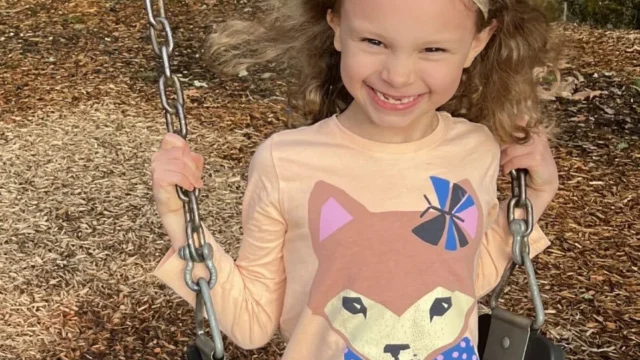
As of 2025, Avy is entering her fourteenth year. Her life has been defined by a global perspective, having resided in locations as diverse as Amman, Jordan; Warsaw, Poland; and Denver, Colorado. Despite the inherent challenges of frequent relocation, she has maintained academic excellence and a robust social life.
Her experiences in competitive sports and musical theater—environments that require rapid, complex auditory processing—demonstrate the long-term efficacy of her early training. Educators and clinicians point to the success of students like Avy as evidence that early intervention does not merely mitigate the effects of hearing loss; it provides a framework for students to thrive in demanding, mainstream environments.
Broader Implications and Philanthropic Support
The success of the Listen and Talk model highlights the broader, systemic importance of early intervention funding. The "Alumni Family Giving Campaign" serves as a mechanism to sustain these services, ensuring that cost does not become a barrier to developmental success for future generations of children with hearing loss.
Economic analyses of early intervention programs indicate that for every dollar invested in early childhood hearing services, there is a substantial return in the form of reduced special education costs and increased future productivity for the individuals served. Programs that prioritize LSL integration allow children to enter the public school system with a command of spoken language that facilitates inclusion, thereby reducing the need for intensive, lifelong support services.

Conclusion: A Vision Without Limits
The narrative of the Dioguardi family underscores a shift in the clinical approach to hearing loss: from one of "managing a deficit" to "empowering a potential." By prioritizing intensive intervention during the critical window of early brain development, organizations like Listen and Talk create a foundation that allows students to navigate diverse cultural and academic landscapes.
As the center continues to facilitate the Alumni Family Giving Campaign, the focus remains on the organizational vision: a future where hearing loss is not a defining limit on a child’s aspirations. Through the combined efforts of specialized clinicians, engaged parents, and a supportive alumni network, children with hearing loss continue to prove that with the right tools and early investment, the horizon of their achievements is broad and, ultimately, without limits.