
A Medical Milestone: The 1995 Intervention
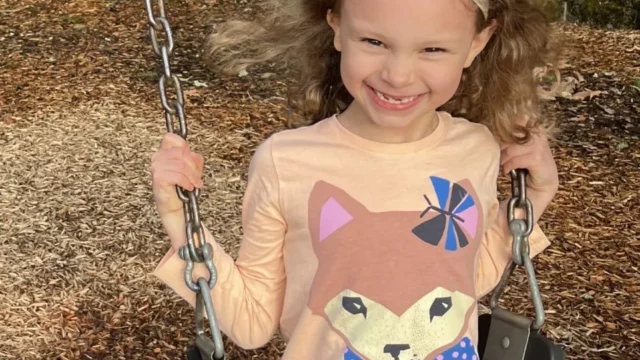
In 1995, the landscape of pediatric audiology was undergoing a seismic shift. When 22-month-old Jordan Buckingham contracted pneumococcal meningitis, the subsequent damage to her auditory system resulted in profound sensorineural hearing loss. At that time, cochlear implants were not the standard of care they are today; they were at the cutting edge of clinical practice.
Buckingham holds the distinction of being the first pediatric patient at Seattle Children’s Hospital to receive a cochlear implant. This procedure was more than a medical milestone; it was the foundational moment that allowed her to bridge the gap between silence and sound. The success of this initial surgery was augmented by a subsequent second implant, providing her with bilateral hearing—a configuration that significantly enhances sound localization and speech understanding in complex environments.
The Chronology of Development
The timeline of Buckingham’s progress is marked by a deliberate integration into specialized educational environments:
- 1995: Following her diagnosis and recovery from meningitis, Buckingham undergoes her first cochlear implant surgery at Seattle Children’s Hospital.
- 1996: Buckingham and her family enroll at Listen and Talk, a pioneering organization focused on listening and spoken language (LSL) development. She becomes one of the program’s inaugural pre-K students.
- Late 1990s–Early 2000s: Under the guidance of founder Star Leonard-Fleckman, Buckingham undergoes rigorous auditory habilitation, training her brain to interpret electrical signals as meaningful sound and speech.
- 2014: Buckingham graduates from Stetson University with a Bachelor’s degree in Family Business and a minor in Management, proving the efficacy of LSL outcomes in higher education settings.
- Present Day: Buckingham operates as an assistant horse trainer in Middleton, Idaho, translating the discipline learned through early intervention into a demanding professional field.
The Role of Listen and Talk in Language Acquisition
Listen and Talk, the organization central to Buckingham’s development, utilizes the Listening and Spoken Language (LSL) approach. This methodology is predicated on the neuroplasticity of the developing brain, which is most receptive to auditory input during the first few years of life.

Data from the Alexander Graham Bell Association for the Deaf and Hard of Hearing indicates that children who receive early, high-quality LSL intervention are significantly more likely to be mainstreamed in regular education classrooms and to pursue post-secondary education. By working with professionals who specialized in maximizing the utility of her cochlear implants, Buckingham did not merely "hear"; she learned to synthesize language, nuances, and communication strategies that allowed her to navigate competitive academic and professional environments.
Analysis: The Impact of Early Intervention
The implications of Buckingham’s success extend beyond her personal achievements. According to the Centers for Disease Control and Prevention (CDC), hearing loss is one of the most common congenital conditions in the United States, affecting approximately 1.7 per 1,000 infants. However, cases like Buckingham’s—triggered by post-natal illness—underscore the necessity of ongoing support systems.
Educational psychologists note that the "gap" in literacy and language skills between deaf children and their hearing peers can often be mitigated if intervention begins before the age of three. Buckingham’s graduation from a four-year university suggests that when medical technology is paired with intensive speech-language therapy, the "ceiling" for academic achievement for deaf individuals is effectively removed.
Perspectives on the Support Ecosystem
The sustained success of a child with hearing loss is rarely the result of a single intervention. It is the product of a collaborative ecosystem involving surgeons, audiologists, educators, and, most critically, the family unit.
Maura Berndsen, Executive Director of Listen and Talk, has frequently highlighted that the organization’s mission is to empower families to be the primary advocates for their children. In reflecting on alumni such as Buckingham, the organization emphasizes that the tools provided in childhood are meant to be carried into adulthood. Buckingham herself characterizes her success not as a solo endeavor, but as the result of a "support system" that prioritized open communication and high expectations. Her advice to current families is rooted in the reality of the process: that the integration of technology requires daily, disciplined effort.
Broader Societal Implications
Buckingham’s professional life as an assistant horse trainer in Idaho provides a compelling narrative regarding the "life without limits" philosophy. Horse training requires intense focus, the ability to interpret non-verbal cues, and precise communication—skills that mirror the auditory training she underwent as a child.
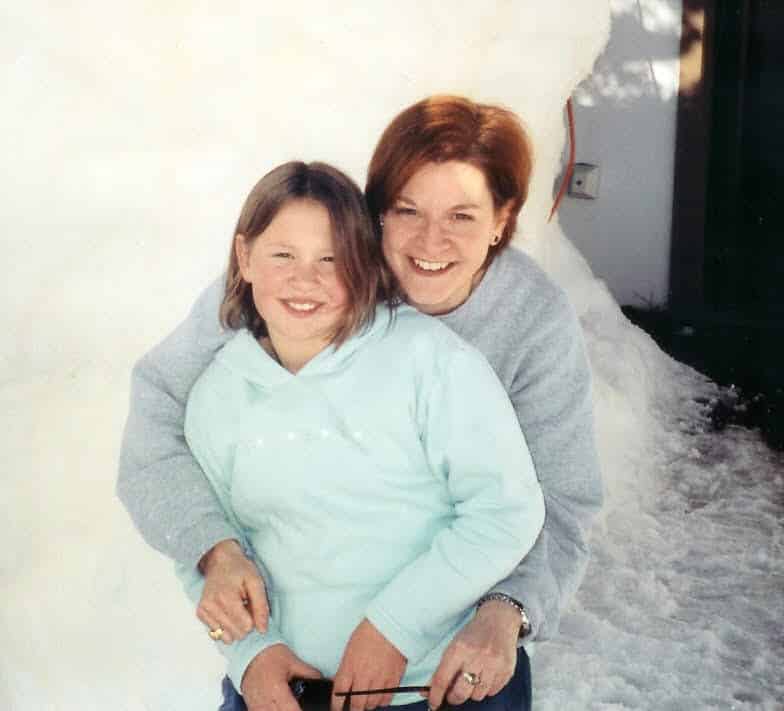
Her career trajectory challenges lingering societal misconceptions about the capabilities of individuals who use hearing technology. By entering a field that demands high levels of situational awareness, she demonstrates that cochlear implants, when supported by proper habilitation, allow for full participation in all facets of society, including specialized trades and professional industries.
The Future of Alumni Engagement
As Listen and Talk looks toward the future, the organization has launched its 2025 Alumni Family Giving Campaign, an initiative designed to ensure that the resources which benefited students like Buckingham remain available for the next generation.
The campaign serves a dual purpose: financial sustainability and the preservation of a community of practice. By inviting alumni to contribute, the organization creates a feedback loop where those who have successfully navigated the challenges of hearing loss provide the capital necessary for early intervention services, audiology testing, and parent education.
Economically, the investment in early intervention is widely recognized as a cost-effective public health strategy. Research published in the Journal of Deaf Studies and Deaf Education indicates that the long-term social and economic benefits of early intervention—including increased employment rates and reduced dependence on social services—far outweigh the initial costs of cochlear implantation and therapeutic services.
Conclusion: A Legacy of Communication
Jordan Buckingham’s story is a multifaceted narrative of survival, technological adaptation, and professional success. Her experience illustrates that while hearing loss presents unique challenges, the combination of early medical intervention, consistent therapeutic support, and individual determination can lead to an outcome that is indistinguishable from that of her hearing peers.
As she continues her work in Middleton, Idaho, Buckingham serves as a living representative of the Listen and Talk vision. Her trajectory from a patient at Seattle Children’s Hospital to an accomplished adult professional provides a roadmap for families currently navigating the complexities of a child’s hearing loss diagnosis. It serves as a reminder that with the right support, the limitations once associated with profound hearing loss are being systematically dismantled, replaced by a future defined by agency and achievement.