The vestibular system is a sophisticated network comprising the inner ear’s sensory organs, the eyes, and the brain’s processing centers. Its primary function is to provide the brain with information about motion, head position, and spatial orientation. It is also involved with motor functions that allow humans to maintain balance and stabilize their vision during movement. When this system is damaged or dysregulated by a concussion, the world can become a place of constant motion, nausea, and disorientation.
The Clinical Reality of Vestibular Concussion
According to Dr. Danit Macklin, PT, DPT, a specialist in concussion and vestibular rehabilitation, the vestibular system is particularly vulnerable to the forces involved in a head injury. During the podcast, Dr. Macklin emphasized that a concussion is not merely a structural injury—one that would necessarily show up on a standard MRI or CT scan—but rather a functional one. This means the brain’s "wiring" and its ability to process sensory input are impaired, even if the physical structure of the brain appears intact.
Clinical data suggests that dizziness is the second most common symptom reported following a concussion, affecting an estimated 50% to 80% of patients. Despite its prevalence, vestibular dysfunction is frequently overlooked in emergency rooms and urgent care centers, where the primary focus is often on ruling out life-threatening conditions such as intracranial hemorrhages or skull fractures. Once a patient is cleared of these acute risks, lingering symptoms like vertigo or "brain fog" are often dismissed as issues that will resolve with time and rest.
However, the "wait and see" approach is increasingly being challenged by vestibular specialists. Dr. Macklin noted that when symptoms persist beyond the initial two-week recovery window, they can lead to secondary conditions such as Persistent Postural-Perceptual Dizziness (PPPD) or vestibular migraines. These conditions represent a chronic state of sensory mismatch where the brain remains in a heightened state of "threat," unable to properly recalibrate its sense of balance.
A Patient’s Journey: From Impact to Advocacy
The human cost of these clinical oversights was highlighted by the story of Jess Winter, a school librarian and patient advocate. Winter’s journey into the world of vestibular disorders began with a severe car accident. What was initially diagnosed as a standard concussion evolved into a years-long struggle with debilitating dizziness and sensory overload.
Winter described the profound disconnect that occurs when the brain and body no longer agree on their position in space. For a mother and professional, the inability to navigate a grocery store, drive a car, or even maintain focus during a conversation represents a significant loss of autonomy. Winter eventually developed PPPD and vestibular migraines, conditions that required a specialized approach to recovery.
Today, Winter serves as a bridge between the clinical community and the patient population. Through her involvement with the Vestibular Disorders Association (VeDA), she co-leads the "Dizzy Moms Club" support group and facilitates the "Poetry-4-Balance" contest. Her experience underscores a critical fact in vestibular recovery: the psychological and emotional toll is often as heavy as the physical symptoms. The "invisible" nature of the injury frequently leads to social isolation and a lack of empathy from those who cannot see the patient’s internal struggle.
The Evolution of Concussion Management
Historically, the standard treatment for a concussion was "cocooning"—staying in a dark, quiet room and avoiding all physical and cognitive activity. Modern research, however, has shifted toward "active recovery." For vestibular concussions, this involves targeted Vestibular Rehabilitation Therapy (VRT).
Dr. Macklin outlined several key components of a successful VRT program:
- Gaze Stabilization: These exercises retrain the vestibulo-ocular reflex (VOR). When the VOR is functioning correctly, it allows the eyes to stay fixed on a target while the head is moving. If disrupted, a patient may experience "oscillopsia," where the environment appears to jump or blur during movement.
- Habituation: This involves controlled exposure to the very movements or environments that trigger dizziness. By carefully grading this exposure, the brain can eventually learn to ignore the "false" signals and desensitize the nervous system.
- Balance and Proprioception Retraining: This focuses on the body’s ability to sense its position relative to the ground. Exercises often involve standing on uneven surfaces or navigating complex environments to restore confidence in physical movement.
- Cervical Management: Because head injuries often involve "whiplash" or neck strain, treating the cervical spine is essential. The neck contains numerous sensors that contribute to the brain’s understanding of head position; if these are sending faulty signals, dizziness will persist.
Barriers to Diagnosis and Treatment
The podcast participants identified several systemic barriers that prevent patients from receiving timely care. The most significant is the lack of specialized training among general practitioners. Standard neurological exams often fail to catch the subtle eye-tracking errors or balance deficits that a trained vestibular physical therapist would identify within minutes.
Furthermore, the fluctuating nature of the symptoms can lead to self-doubt among patients. A person may feel relatively stable while sitting in a quiet doctor’s office, only to become completely incapacitated when walking through a busy shopping mall with bright lights and moving crowds. This "environmental sensitivity" is a hallmark of vestibular dysfunction but is difficult to quantify in a traditional clinical setting.
Data from the American Physical Therapy Association (APTA) indicates that early intervention is one of the strongest predictors of a positive outcome. When patients are referred to VRT within the first few weeks of injury, the likelihood of developing chronic conditions like PPPD decreases significantly.
Broader Implications for Public Health
The implications of improving vestibular concussion care extend into the realms of public safety and economics. Unresolved balance issues increase the risk of falls—a leading cause of secondary injury—and prevent individuals from returning to the workforce or operating motor vehicles. For student-athletes, an undiagnosed vestibular issue can lead to academic decline and a premature end to their athletic careers.
Dr. Macklin’s work in New Jersey, including the founding of Concussion Awareness Day, reflects a growing movement to standardize concussion protocols across schools and sports organizations. By integrating vestibular screening into "return-to-play" and "return-to-learn" guidelines, advocates hope to ensure that no patient falls through the cracks.
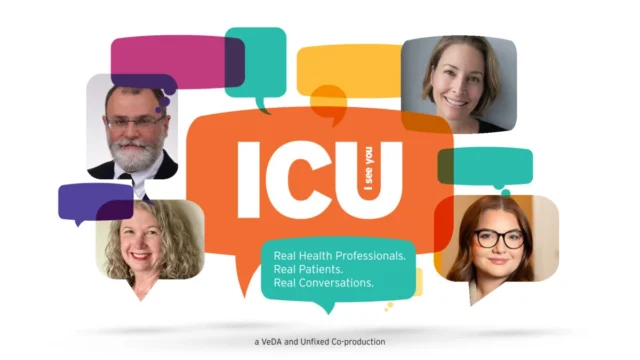
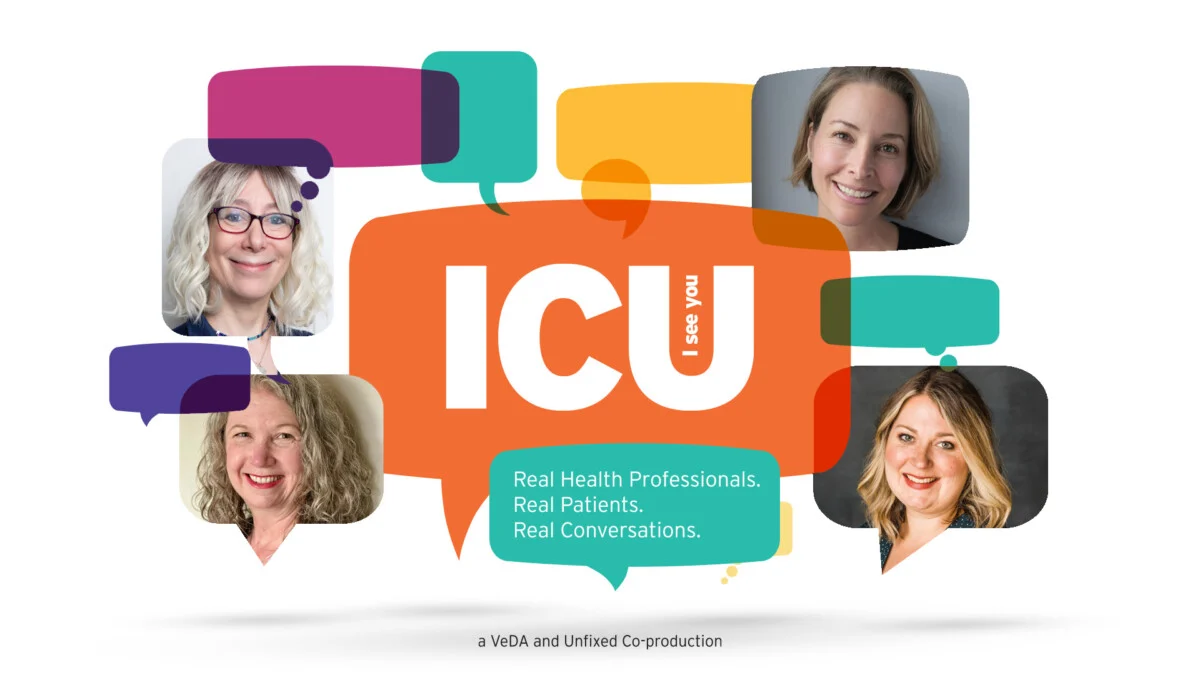
The "I See You" podcast episode serves as a reminder that healing from a concussion is rarely a linear process. It requires a multidisciplinary team—including physical therapists, neurologists, and mental health professionals—to address the complex interplay of physical and emotional symptoms.
Conclusion: A Path Toward Recovery
The overarching message from both Dr. Macklin and Jess Winter is one of hope. While a vestibular concussion can be life-altering, it is not a life sentence. Through specialized rehabilitation and community support, the brain possesses a remarkable capacity for neuroplasticity—the ability to reorganize and form new neural connections to compensate for injury.
For those currently struggling with the disorienting effects of a head injury, the first step toward recovery is finding a provider who understands the intricacies of the vestibular system. As awareness grows, the goal is to transform the "invisible" injury of vestibular concussion into a well-understood and highly treatable condition. Recognition, as the podcast title suggests, is the beginning of healing: seeing the patient, validating their experience, and providing the tools necessary to navigate the world with stability once again.