
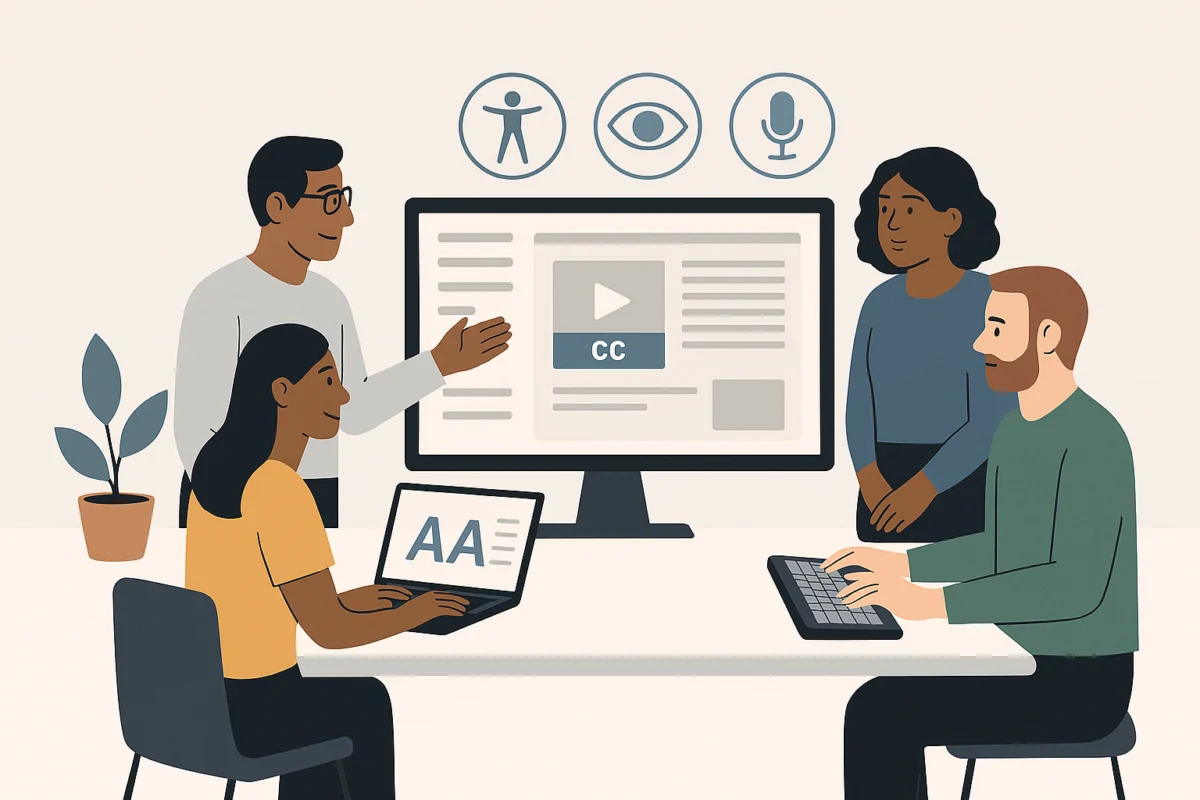
The 2026 iteration of Digital Accessibility Week focuses on a central theme: the holistic process of designing, developing, and delivering accessible digital services. This theme mirrors the global priority set by GAAD organizers for the year, reflecting a shift in the digital industry from treating accessibility as an afterthought to integrating it as a foundational requirement of the service lifecycle. For the UK public sector, this initiative represents a critical effort to ensure that essential services—ranging from tax submissions to social security applications—remain usable for every citizen, regardless of their physical or cognitive abilities.
The Strategic Importance of Digital Accessibility in 2026
Digital accessibility is no longer a niche technical concern but a legal and ethical mandate. In the UK, the Public Sector Bodies (Websites and Mobile Applications) (No. 2) Accessibility Regulations 2018 established a framework requiring public sector digital platforms to meet the Web Content Accessibility Guidelines (WCAG) 2.1 Level AA standards. However, as technology evolves, so do the expectations for inclusion. Digital Accessibility Week 2026 serves as a vital touchpoint for public servants to align with emerging standards, such as WCAG 2.2 and the upcoming WCAG 3.0, ensuring that the government does not merely comply with the letter of the law but embraces the spirit of universal design.
Data from the Department for Work and Pensions (DWP) suggests that there are approximately 16 million people in the UK living with a disability, representing roughly 24% of the population. Furthermore, an aging demographic means that a growing number of citizens may experience age-related impairments, such as reduced vision, hearing loss, or diminished motor skills. When digital services are not built with accessibility in mind, these populations face significant barriers to accessing their rights and fulfilling their obligations. The events scheduled for Digital Accessibility Week are designed to dismantle these barriers by upskilling the workforce responsible for the nation’s digital infrastructure.
Chronology of Events: A Detailed Overview
The week is structured to provide a logical progression from foundational concepts to specialized technical applications. Each session is hosted by a different government entity, showcasing the collaborative nature of the UK’s digital transformation.
Monday: Establishing the Foundations
The week commences on May 18 with an "Introduction to Accessibility" hosted by the Home Office. This session is designed as a non-technical primer, emphasizing the "why" behind inclusive design. It addresses the social model of disability, which posits that people are disabled by barriers in society (such as poorly designed websites) rather than by their impairments.
Following the introductory session, the Department for Work and Pensions (DWP) will lead an exploration into assistive software. This is a critical area of study, as it demonstrates how citizens interact with the web using screen readers, screen magnifiers, and voice recognition software. Understanding these tools is essential for developers and content designers who must ensure their products are compatible with the technology that disabled users rely on daily.
The day concludes with a forward-looking session by the Government Digital Service (GDS) on WCAG 3.0. As the successor to the current WCAG 2 series, WCAG 3 (often referred to as "Silver") proposes a new scoring system and a more flexible approach to accessibility. The GDS session will provide an early look at how these international shifts will influence UK government standards in the coming years.
Tuesday: User-Centric Design and Cognitive Accessibility
Tuesday’s agenda shifts the focus toward the user experience. A highlight of the day is the session hosted by His Majesty’s Revenue and Customs (HMRC) titled "Designing with autistic people." This session underscores the importance of cognitive accessibility—a frequently overlooked aspect of digital design. By focusing on clarity, predictability, and the reduction of sensory overload, designers can create interfaces that benefit neurodivergent users and, by extension, improve the experience for all users.
The Ministry of Justice (MoJ) will also host a session titled "From niche to necessity," which argues that accessible innovation drives better digital products for everyone. This concept, often called the "curb-cut effect," suggests that features originally designed for people with disabilities (like captions or high-contrast modes) end up providing significant utility to the general population.
Later in the day, a joint session by HMRC and Ofcom will delve into digital media literacy. Drawing on recent Ofcom research, the session will examine the social factors that contribute to digital exclusion, such as lack of confidence or limited access to high-speed internet. This broader sociological perspective ensures that accessibility is viewed not just as a coding challenge, but as a social justice issue.
Wednesday: Innovation and Practical Testing
Wednesday, May 20, is dedicated to the practical "how-to" of accessibility. The Department for Environment, Food & Rural Affairs (Defra) will present a unique session on accessibility in gaming. By demonstrating how the gaming industry handles complex inputs and high-speed visual feedback for disabled players, Defra aims to inspire government developers to think more creatively about user interface (UI) challenges.
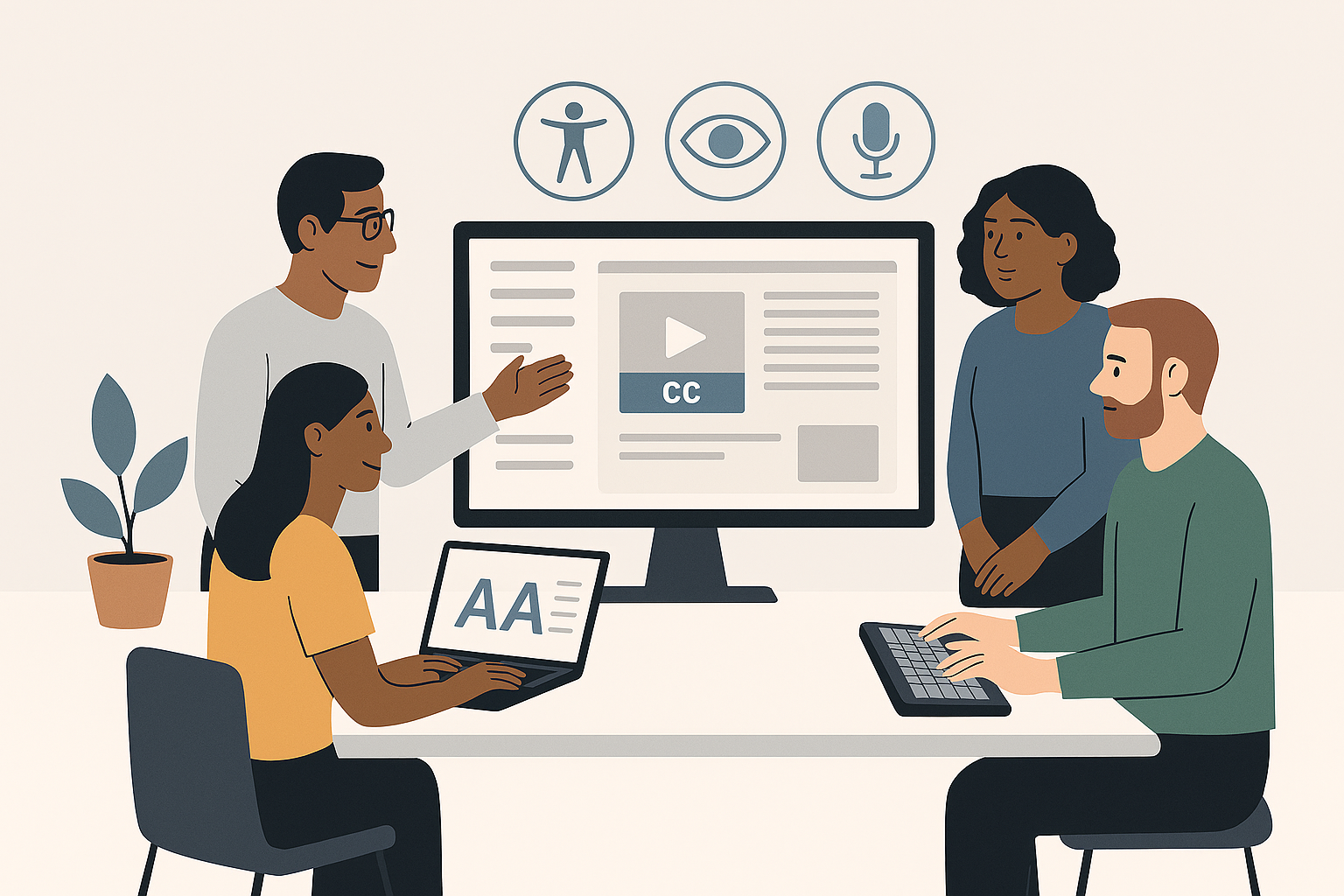
HMRC and the DWP will lead sessions on common accessibility failures, referencing the "WebAIM Million" report. This annual study of the top one million websites consistently finds that a small number of errors—such as low-contrast text, missing alt-text for images, and empty links—account for the vast majority of accessibility barriers. By identifying these "low-hanging fruit" issues, government teams can make rapid improvements to their services.
The day also includes a session by Companies House on keyboard navigation. This interactive workshop will force participants to navigate digital services without a mouse, simulating the experience of users with motor impairments. Such empathy-building exercises are proven to be highly effective in changing the way developers approach their work.
Thursday: Compliance, Governance, and Professional Growth
The final day coincides with Global Accessibility Awareness Day. The sessions on Thursday are geared toward the institutionalization of accessibility practices. The DWP will provide technical training on creating accessible PowerPoint templates, ensuring that internal government communication is as inclusive as its public-facing services.
The Department for Education (DfE) and the Student Loans Company (SLC) will offer a deep dive into the role of the Accessibility Assessor. This role is pivotal in the "Service Standard" assessments that all government digital services must pass before going live. The session will demystify what assessors look for, helping teams prepare for audits and maintain high standards of delivery.
The week concludes with a session titled "The One Where I Become an Accessibility Specialist," hosted by the DfE. This session highlights the Digital Accessibility Specialist apprenticeship, signaling a commitment to building a long-term, sustainable pipeline of expertise within the Civil Service.
Supporting Data and Technical Analysis
The urgency of Digital Accessibility Week is supported by recent data regarding digital service performance. The "WebAIM Million" 2025 report indicated that while progress is being made, 95.9% of home pages still had detectable WCAG 2 failures. In the public sector, the stakes are higher; a failure to access a government portal can lead to financial penalties for citizens or the loss of essential services.
Furthermore, a 2024 study on "The Economic Impact of Digital Inclusion" estimated that for every £1 invested in making digital services more accessible, there is a return of £5 in the form of reduced support costs (fewer calls to helpdesks) and increased efficiency. By training public sector workers to "get it right the first time," the UK government aims to save significant taxpayer funds over the long term.
Broader Impact and Future Implications
The impact of Digital Accessibility Week 2026 extends far beyond the four days of scheduled sessions. It represents a cultural shift within the UK public sector. By opening these sessions to anyone with a work email address across the public sector, the organizers are democratizing knowledge that was once the sole province of specialized "accessibility champions."
Industry experts suggest that the integration of Artificial Intelligence (AI) will be the next great frontier for accessibility. Several sessions in the 2026 program touch upon how AI can be used to generate alt-text or provide real-time captions, but they also warn of the biases that AI can introduce if not monitored by human experts. The discussions held during this week will likely influence the government’s official stance on AI and accessibility in future policy white papers.
Moreover, the collaboration between departments—such as HMRC working with Lloyds Bank or Ofcom—indicates a growing recognition that the "digital ecosystem" is interconnected. Citizens do not distinguish between their experience with a bank and their experience with the tax office; they expect a seamless, accessible journey across all digital platforms.
Conclusion
Digital Accessibility Week 2026 stands as a testament to the UK’s commitment to a "digital-first, but not digital-only" approach that prioritizes inclusion. As the live timetable updates and more sessions are confirmed, the event is expected to draw thousands of participants from across the Civil Service, local government, and healthcare sectors.
By the time Global Accessibility Awareness Day concludes on May 21, the goal is for the UK public sector to emerge with a more confident, capable, and compassionate workforce. The lessons learned during this week will be applied directly to the digital services that millions of people rely on every day, ensuring that the future of the UK’s digital government is one where no one is left behind. Through education, shared experience, and practical skill-building, Digital Accessibility Week 2026 is set to reinforce the UK’s position as a global leader in inclusive digital governance.