A Chronology of Care and Clinical Intervention
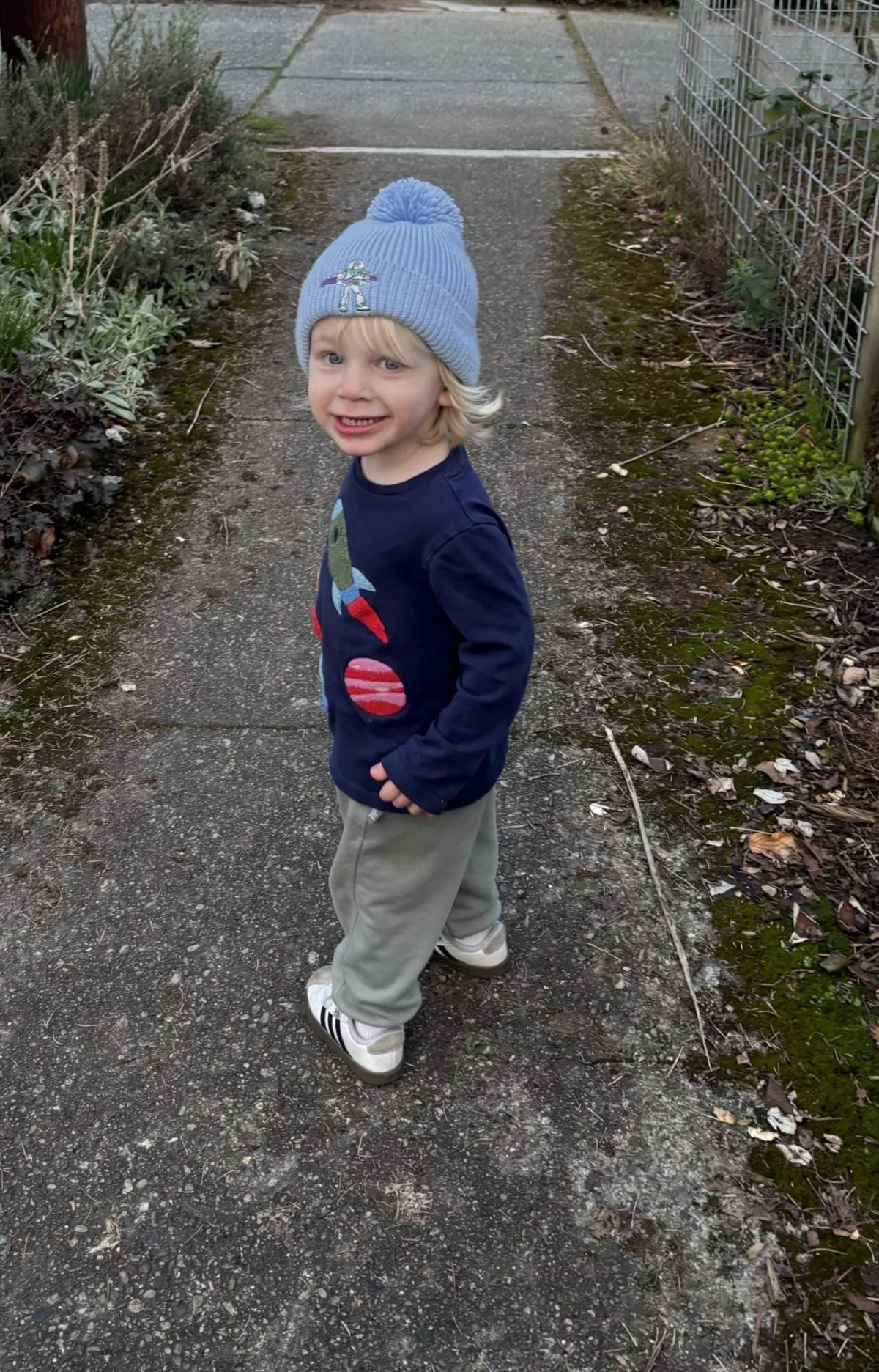
The timeline of Landon’s development highlights the necessity of immediate, multi-disciplinary support. Between the initial newborn screen and his official diagnosis, the family faced a period of significant emotional and logistical strain, characterized by repetitive testing at specialized pediatric audiology clinics. By seventeen months, Landon was fitted with hearing aids, a crucial milestone in providing him with the auditory stimulation required for his neurological development.
However, the clinical intervention was only one facet of his progress. When Landon was three months old, his family engaged with Listen and Talk, a specialized organization dedicated to pediatric auditory development. Through the Birth to Three program, the family was paired with a specialist who transitioned from a clinical consultant to an essential support system. This relationship underscores the industry-standard approach to early intervention: treating the family unit as a whole rather than focusing solely on the child’s physiological condition.
The Role of Early Intervention in Neurodevelopment
Current pediatric audiology research emphasizes that the first three years of life are the most critical for brain plasticity and language acquisition. According to data from the Centers for Disease Control and Prevention (CDC) and the Joint Committee on Infant Hearing (JCIH), infants who receive hearing interventions—including amplification and speech therapy—by six months of age demonstrate significantly better language outcomes compared to those who receive intervention later in childhood.
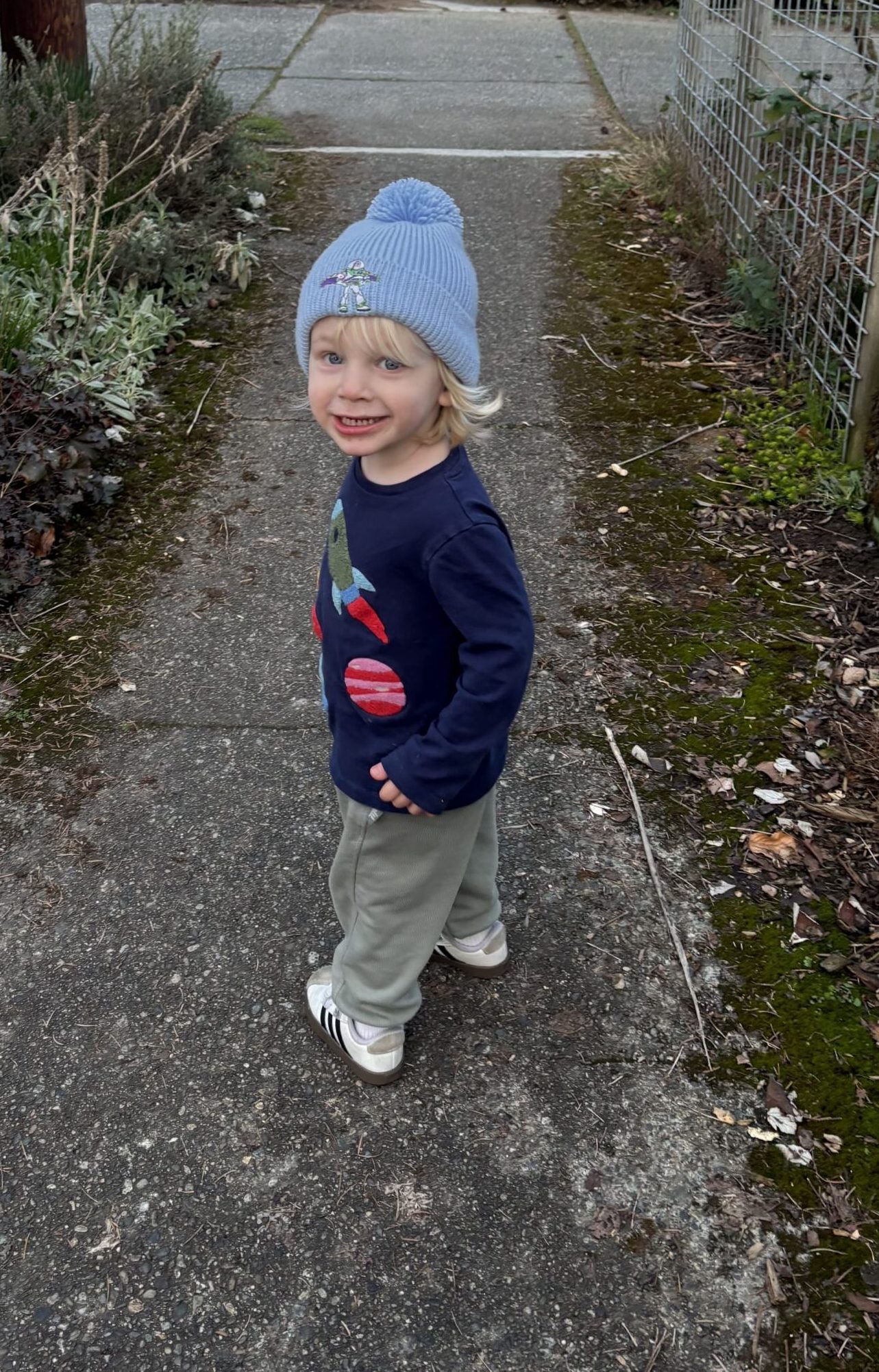
Landon’s case serves as a practical application of these findings. By integrating professional guidance into his home life, his parents learned to navigate the nuances of troubleshooting hearing aids and optimizing his home environment for better sound access. This home-based support was supplemented by professional coordination with his preschool teachers, ensuring that his learning environment was modified to mitigate the effects of "hearing fatigue"—a common phenomenon where children with hearing loss experience cognitive exhaustion from the constant, increased effort required to decode speech in noisy or ambient environments.
The Blended Classroom Model: Integration and Advocacy
A central component of Landon’s success has been his participation in a "Blended Classroom." This educational model, championed by organizations like Listen and Talk, integrates children with hearing loss with typically hearing peers. The pedagogical theory behind this approach is two-fold: it provides an auditory-rich environment that challenges the student to develop communication skills in real-world conditions, and it provides an opportunity for the development of self-advocacy.
In this setting, children are periodically pulled for individualized speech therapy, where they work on articulation and vocabulary expansion. Simultaneously, they learn how to advocate for their own needs—such as requesting that a teacher face them while speaking, or identifying when background noise levels are impeding their ability to understand. This is a foundational skill set, as these children will eventually transition to mainstream educational settings where they must rely on their own ability to navigate the complexities of hearing in diverse, often unaccommodating, environments.
Data-Driven Progress and Educational Outcomes
Objective assessments have tracked Landon’s development, showing a marked increase in both vocabulary size and speech clarity. This data validates the efficacy of consistent intervention and the importance of parental education. For families navigating similar diagnoses, the "Listen and Talk" model provides a roadmap that moves beyond basic audiological maintenance into holistic development.
The implications for this model are significant for broader public health policy. As hearing loss remains one of the most common congenital conditions in the United States, the scalability of early intervention programs is a matter of increasing public interest. When children are supported through specialized programming, the long-term societal benefits are substantial, including higher rates of academic achievement, better workforce participation, and improved social-emotional outcomes for the children and their families.

Advocacy and the Future of Pediatric Audiology
The broader impact of organizations like Listen and Talk extends to the advocacy and policy level. By funding programs that include audiology testing, speech therapy, and parent education, these entities fill critical gaps in public healthcare infrastructure. For families managing conditions such as microtia atresia or other forms of permanent hearing loss, the existence of such resources is often the deciding factor in whether a child reaches their full developmental potential.
The ongoing support provided to families represents a shift toward a more proactive, preventative model of healthcare. Rather than simply managing the clinical aspects of hearing loss, the focus has shifted to the long-term developmental trajectory of the child. This approach recognizes that while hearing loss is a physical condition, its impact is experienced through the social, educational, and interpersonal life of the child.
Conclusion: Ensuring No Child is Limited
The success seen in Landon’s development is not an isolated incident but a testament to the effectiveness of a well-resourced, early-intervention framework. As the medical community continues to refine diagnostic tools and hearing technology, the human element—the support, the parent education, and the advocacy training—remains the most vital component.
For stakeholders in public health and education, the lesson is clear: the integration of specialized, family-centered care into the early years of a child’s life is a high-yield investment. The mission statement that "no child is limited by hearing loss" is an aspirational goal that relies heavily on the continued funding and support of such initiatives. By ensuring that families have access to the necessary guidance and that children are equipped with the skills to advocate for themselves, the societal cost of pediatric hearing loss is significantly mitigated, and the potential for these children to thrive in all facets of life is maximized.
The story of Landon serves as a reminder that the early days of a diagnosis, while undeniably challenging, can be transformed into a foundation for success through early, consistent, and expert intervention. The path forward for these children is built one milestone at a time, supported by a community that recognizes the fundamental human right to clear, accessible communication.