WWDC26: A Pivotal Event in Apple’s Trajectory
WWDC26 holds a unique significance in Apple’s recent history, serving as a landmark event not only for its technological revelations but also for the leadership transition it precedes. Tim Cook, who has helmed Apple for over a decade, is set to step into an executive chairman role, marking the end of an era defined by unprecedented growth, diversification into services, and a steadfast emphasis on user experience and privacy. His presence at WWDC26, introducing these new accessibility features, reinforces the notion that inclusivity remains a core tenet of Apple’s philosophy as it prepares for new leadership. The annual developers’ conference has historically been the stage for unveiling major operating system updates, new developer APIs, and strategic shifts that shape the future of Apple’s platforms. This year, the focus on refined, practical accessibility solutions rather than groundbreaking hardware announcements underscores a maturation in Apple’s approach, prioritizing the enhancement of existing user experiences through software intelligence.
Revolutionizing Video Consumption with Generated Subtitles
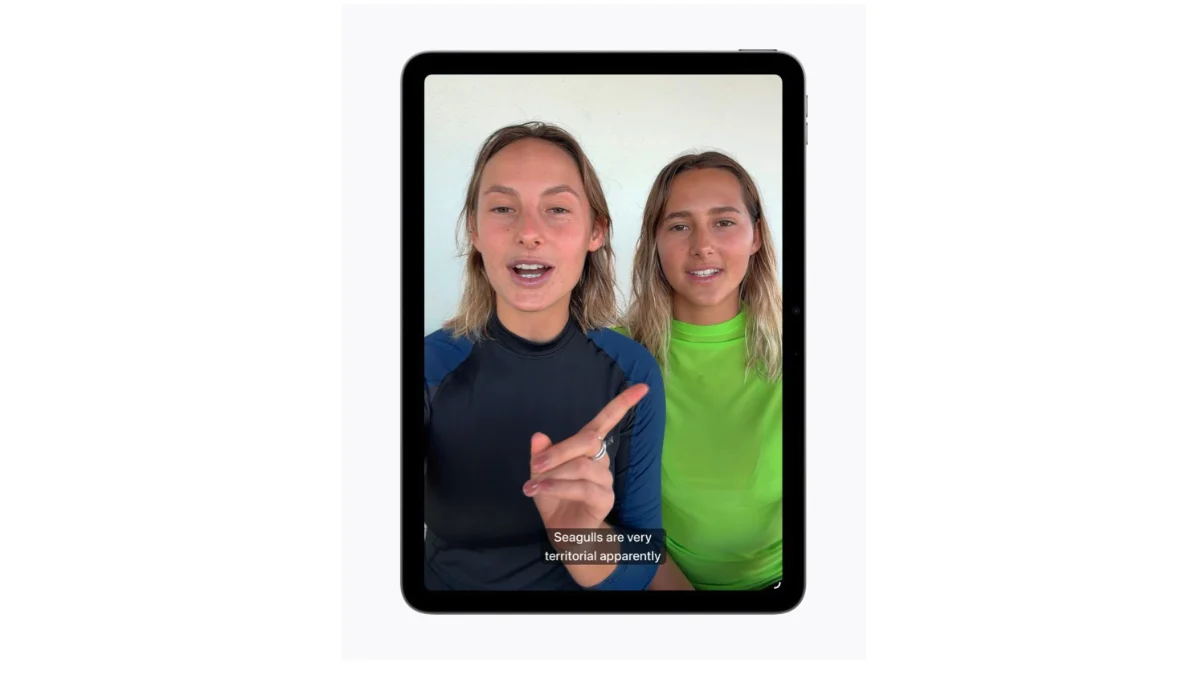
Perhaps the most impactful hearing-accessibility update announced at WWDC26 is the introduction of Generated Subtitles for Video. This innovative feature automatically displays transcriptions of spoken audio when traditional captions or subtitles are absent, leveraging advanced on-device speech recognition. The technology is designed to operate seamlessly across Apple’s diverse ecosystem, including iPhone, iPad, Mac, Apple TV, and the Apple Vision Pro. For the millions of individuals worldwide living with hearing loss, this represents a significant leap forward in media consumption. According to the World Health Organization, over 1.5 billion people globally experience some degree of hearing loss, and improving access to video content is a critical step in digital inclusion.
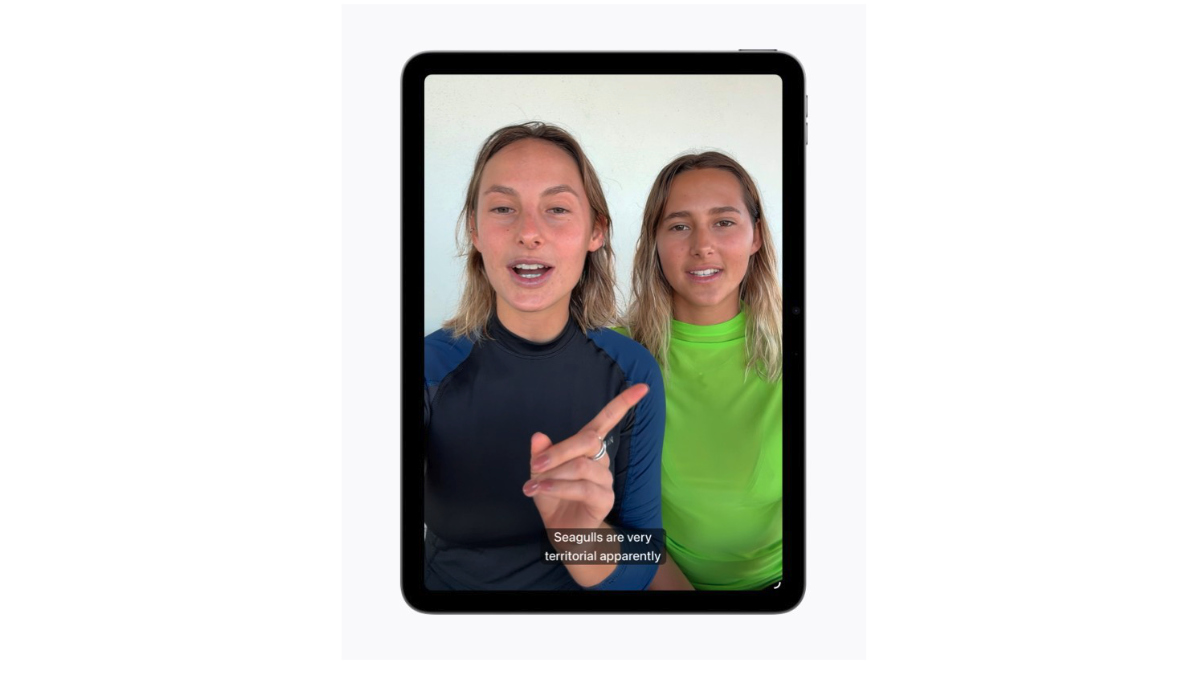
The implications of Generated Subtitles are far-reaching. Users will now find it easier to comprehend a wide array of video content, from personal videos recorded on their iPhones and shared by family members to a substantial portion of online video content that often lacks comprehensive captioning. Furthermore, Apple is empowering users with the ability to customize the appearance of these subtitles, offering options for larger text, enhanced contrast, and various readable caption styles. This level of personalization is crucial, as visual preferences and needs vary significantly among users. The feature’s on-device processing ensures privacy and potentially faster transcription, distinguishing it from cloud-based solutions that might introduce latency or data concerns.
Beyond immediate user benefits, Apple is also making it simpler for app and video developers to integrate this new subtitle technology into diverse video content formats. The API allows for dynamic subtitle generation either by listening to spoken audio or by translating existing subtitles from one language to another. Compatibility with several common video formats, including streamed, on-demand, and saved video files, maximizes its utility. While this feature does not equate to the immediate, real-time captioning capabilities offered by specialized augmented reality (AR) glasses, it significantly advances Apple’s mission to make automatic and consistent captions a standard across everyday video interactions, bridging a long-standing gap in digital accessibility.
Enhanced Connectivity for Made for iPhone (MFi) Hearing Aids
Another welcome advancement for the hearing care community centers on improvements to Made for iPhone (MFi) hearing aids. Apple announced that compatible devices will benefit from a more reliable setup experience and a smoother handoff between various Apple devices. This enhancement directly addresses a common frustration among hearing aid users who frequently switch between their iPhone, iPad, Mac, Apple Watch, or Vision Pro, only to encounter connectivity issues or the need for repeated troubleshooting.
The MFi program, established over a decade ago, has been instrumental in integrating hearing aid technology with Apple’s ecosystem, allowing users to control settings, stream audio, and manage their devices directly from their iPhones. The latest improvements signify Apple’s recognition of the critical importance of seamless integration. For hearing aid users, this means a more consistent and effortless experience, ensuring their hearing devices remain connected and functional regardless of the Apple device they are interacting with. This reliability is not merely a convenience; it is a fundamental aspect of daily life for individuals relying on these devices for communication and environmental awareness. The streamlined connectivity also benefits hearing care professionals, potentially reducing the time spent on initial setup and troubleshooting during patient visits, allowing them to focus more on audiological care.
)
Expanding Situational Awareness: Name Recognition and FaceTime API
Apple’s commitment to enhancing situational awareness for individuals with hearing loss is further demonstrated through the expansion of its Name Recognition feature. This accessibility tool alerts users who are deaf or hard of hearing when their name is spoken, addressing a common challenge in environments where verbal cues might be missed. Whether in a bustling office, a dynamic classroom setting, a lively family gathering, or a public space, the ability to be alerted when one’s name is called can significantly improve participation, reduce feelings of isolation, and prevent missed communications. This feature leverages on-device intelligence to detect specific verbal patterns, providing a non-intrusive yet highly effective notification system. Its expansion reflects a deeper understanding of the nuanced social and practical challenges faced by the hard-of-hearing community.
In a move aimed more directly at supporting Deaf communication access, Apple also unveiled a new FaceTime API that will enable sign-language interpretation app developers to integrate human interpreters directly into ongoing FaceTime video calls. This innovative approach recognizes the vital role of sign language interpreters in facilitating communication for the Deaf community. While it is not intended to replace in-person interpreting or comprehensive real-time captioning services, this API provides a powerful new tool to make video calls more accessible, especially when professional interpreter services are available through supported third-party applications. This development underscores Apple’s collaborative approach to accessibility, empowering developers to build specialized solutions that cater to diverse needs within its platform. Industry analysts suggest that such APIs could catalyze a new wave of inclusive communication tools, making digital interactions more equitable.
AirPods Custom EQ: Personalization Beyond Clinical Hearing Support
The preview of iOS 27 at WWDC26 also introduced AirPods Custom EQ, a feature that allows users to fine-tune the low, mid, and high frequencies directly within AirPods settings. Apple presented this as a sound-personalization feature, distinctly separate from its existing over-the-counter (OTC) hearing aid functionalities. However, its potential benefits for individuals with specific audio preferences or mild hearing sensitivities are undeniable.
)
While not marketed as an OTC hearing aid feature, AirPods Custom EQ could significantly enhance the listening experience for users who rely on AirPods for calls, music, podcasts, or video consumption. The ability to adjust specific frequency bands offers a level of control that can compensate for individual hearing profiles, even if not clinically calibrated. For example, a person with a slight high-frequency hearing loss might find that boosting the treble makes dialogue clearer, while someone sensitive to certain bass frequencies could reduce them for a more comfortable listening experience. This feature builds upon Apple’s existing hearing-related functionalities in AirPods Pro 2 and 3, which already support Apple’s Hearing Aid feature for adults with perceived mild-to-moderate hearing loss, alongside Hearing Test, Media Assist, and hearing-protection features. The inclusion of Custom EQ further blurs the lines between consumer audio and assistive listening, contributing to a broader trend of personalized audio experiences that can cater to a spectrum of auditory needs without requiring a medical diagnosis.
The Auracast Conundrum and Future Outlook
Despite the array of significant accessibility announcements, the absence of Auracast integration at WWDC26 was a notable point of disappointment for many in the hearing care world. Auracast, a new Bluetooth audio broadcasting technology, promises to revolutionize public listening experiences by allowing an audio source to broadcast to an unlimited number of nearby compatible devices. This technology has the potential to transform accessibility in public venues such as airports, theaters, lecture halls, and even homes, by allowing users to directly stream audio from public address systems or televisions to their hearing aids, cochlear implants, or compatible earbuds. The industry had waited with bated breath for Apple, a major player in personal audio and accessibility, to announce its adoption.
The reasons for this omission were not detailed, but industry experts speculate that Apple may be awaiting broader adoption of the Auracast standard, seeking to ensure a robust and seamless user experience before committing to integration. Alternatively, Apple may be developing its proprietary solution or a more comprehensive integration that extends beyond simply supporting the standard. Regardless, the delay means that the widespread public accessibility benefits of Auracast will not yet reach Apple users through their primary devices. However, Apple’s track record suggests that when it does adopt a new standard, it often does so with a polished, user-centric implementation that can accelerate broader market acceptance.
Industry Reactions and Broader Implications
)
Reactions from the hearing healthcare community and disability advocacy groups to Apple’s WWDC26 announcements have been largely positive, albeit with a degree of measured optimism. Disability advocates have lauded the advancements in Generated Subtitles and Name Recognition as crucial steps toward reducing communication barriers and enhancing digital inclusion. "These features address fundamental challenges faced by people with hearing loss in their daily interactions with technology," stated a spokesperson for a prominent accessibility advocacy organization. "Apple’s continued focus on embedding accessibility into its core products sets a powerful precedent for the entire tech industry."
Hearing care professionals have particularly welcomed the improvements to MFi hearing aid connectivity, recognizing the practical benefits for their patients. Dr. Evelyn Reed, a leading audiologist, commented, "The smoother handoff between devices will significantly improve the user experience for our patients, reducing frustration and making their hearing aids truly feel like an integrated part of their digital lives. While we continue to hope for Auracast, these incremental improvements are valuable." Developers, too, see new opportunities with the FaceTime API and the broader subtitle tools, enabling them to create more specialized and impactful applications for various communities.
The broader implications of these announcements point to a sustained industry trend towards deeply integrated and intelligent accessibility features. As artificial intelligence becomes more pervasive, its application in areas like real-time transcription and contextual awareness will only grow. Apple’s strategy appears to be one of making accessibility features not just add-ons, but integral components of the user experience, often powered by the same advanced technologies that drive other core functionalities. This approach, sometimes termed "inclusive design," aims to make technology usable by the widest possible audience from the outset, rather than retrofitting solutions.
In conclusion, WWDC26 may not have delivered every highly anticipated feature for the hearing care world, but it undeniably reinforced Apple’s enduring commitment to accessibility. Under Tim Cook’s departing leadership and moving into a new era, the company continues to refine and expand its offerings, making everyday videos, device connections, FaceTime calls, and AirPods listening more usable for people with hearing difficulties. The new AI-powered subtitles, enhanced MFi connectivity, expanded name alerts, and developer tools for sign language interpretation represent meaningful progress, contributing to a more inclusive digital landscape and setting a high bar for technological responsibility in an increasingly connected world. As Apple transitions leadership, its foundational dedication to empowering all users through thoughtful design and innovative technology appears set to endure.