The Evolution of Hand Protection Standards

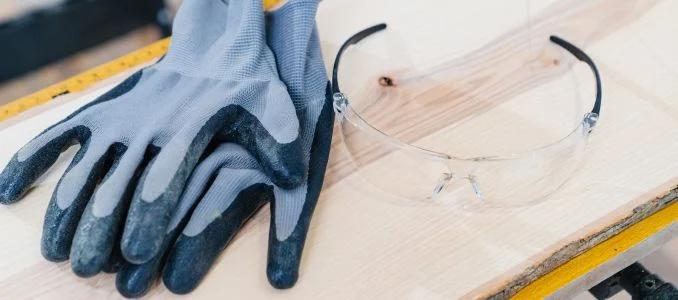
The classification of cut resistance has undergone significant transformation over the last decade. The ANSI/ISEA 105 standard serves as the primary benchmark for the North American market, providing a standardized method for testing and labeling the performance of hand protection. Historically, many industrial facilities standardized their operations around A2 and A3 levels, which offer moderate protection against light-to-medium cut risks. These levels were once considered the "gold standard" for general assembly, packaging, and basic maintenance tasks.
However, the rapid adoption of high-speed automation, the use of advanced composite materials in manufacturing, and the shortening of production cycles have altered the risk profile of the modern floor. According to data from the Bureau of Labor Statistics, hand injuries continue to represent a significant portion of workplace trauma, often resulting in lost-time incidents that carry both financial and operational costs. The shift toward higher cut-level requirements is a direct response to the recognition that while processes have accelerated, the human hand remains as vulnerable as ever.
The Limitations of Mid-Level Protection

The persistence of A2 and A3 gloves in many safety programs is often attributed to organizational inertia and the legacy of cost-containment strategies. When these standards were first established, they were adequate for a manufacturing landscape defined by static tasks and predictable hazards. Today, the reliance on these levels is increasingly viewed as a liability.
First, the nature of industrial hazards has fundamentally changed. Many modern workspaces involve the handling of high-tensile materials, thin-gauge sheet metals, and complex machined parts that possess irregular, serrated edges. Unlike a sharp, straight blade—which many lower-level gloves are engineered to deflect—these jagged surfaces tend to catch on the weave of a fabric, applying localized pressure that can compromise the structural integrity of a low-cut-rated glove.
Second, the factor of force cannot be overstated. A common misconception in safety protocols is that cut resistance is purely a function of the object’s sharpness. In reality, the ANSI/ISEA testing methodology acknowledges that force is a critical variable. When an operator is moving at high speed, the force exerted by the hand against an object significantly amplifies the potential for a laceration. A glove that might resist a cut under low-force conditions may fail instantaneously when subjected to the weight or momentum of a heavy, jagged object. Consequently, major industrial leaders have begun mandating A4 as the absolute minimum requirement, effectively treating A2 and A3 products as insufficient for the modern high-velocity work environment.
Chronology of Regulatory and Performance Shifts
The transition to higher cut-level standards has been bolstered by periodic updates to the ANSI/ISEA 105 framework. In 2016, the standard underwent a major revision that unified the testing process, moving toward the ASTM F2992-15 test method, which uses a Tomodynamometer (TDM) to measure cut resistance more accurately across a wider range of weights.
Following the 2016 update, the industry saw a gradual migration as safety managers realized that the new testing criteria exposed the limitations of existing PPE inventories. By the time the 2024 updates to the standard were formalized, the push for A4-A6 adoption became a consensus among safety engineers and risk management professionals. The rationale was clear: the cost of a single severe laceration—including medical bills, workers’ compensation claims, productivity losses, and potential regulatory fines—far outweighs the incremental price difference between mid-level and high-level gloves.

Technological Advancements: Balancing Protection and Performance
Historically, the primary argument against upgrading to A4-A6 gloves was the trade-off in comfort. Early iterations of high-cut-resistant materials were characterized by heavy, metallic-fiber blends that felt cumbersome, caused hand fatigue, and significantly reduced tactile sensitivity. This often led to "non-compliance by choice," where workers would remove their gloves to perform delicate tasks, effectively rendering the safety program moot.
Today, material science has bridged this gap. Modern high-performance polyethylene (HPPE) and engineered yarn blends have allowed manufacturers to produce gloves that achieve A4, A5, and even A6 ratings while remaining thin, lightweight, and breathable. These advancements have drastically improved worker compliance. When a glove feels like a second skin rather than a restrictive barrier, the likelihood of a worker removing it in a high-risk zone drops significantly.

Moreover, modern gloves now incorporate ergonomic designs that account for natural hand movement. By utilizing 3D-knitting technologies, manufacturers can create gloves that provide maximum reinforcement in high-wear areas—such as the thumb crotch and fingertips—without adding unnecessary bulk to the palm or back of the hand. This targeted reinforcement allows for high-level protection exactly where it is needed, while maintaining the dexterity required for precise manual labor.
Implications for Safety Management
The decision to transition to higher-level protection is not merely a procurement change; it is a strategic shift in safety culture. For safety officers, the implications are three-fold: risk assessment, standardization, and education.

-
Comprehensive Risk Assessment: Safety programs must move away from "one-size-fits-all" PPE strategies. Managers are encouraged to conduct granular task analyses, identifying every touchpoint where a sharp, jagged, or high-force hazard exists. This assessment should be dynamic, accounting for changes in production schedules or equipment maintenance.
-
Standardization of PPE Inventories: By standardizing on A4 or higher, companies reduce the risk of worker error. When every glove available in the supply room meets a higher threshold, there is no risk of an employee accidentally selecting a lower-rated glove for a high-risk task. This simplifies inventory management and reinforces a culture of safety.
-
Education and Buy-in: The technical specifications of ANSI/ISEA ratings can be opaque to the average worker. Successful implementation requires communication. Explaining the "why" behind the upgrade—specifically, the realities of jagged hazards and high-force impacts—helps workers understand that the new equipment is designed to enable their work, not hinder it.

The Path Forward
As industrial environments continue to integrate advanced robotics and automated handling, the human element remains the final line of defense. The transition to A4 through A6 cut-resistant gloves is a proactive, data-driven approach to addressing the inherent hazards of modern manufacturing. By aligning protective equipment with the realities of current industrial forces, safety programs can significantly reduce the incidence of severe lacerations, protect the workforce, and ensure long-term operational continuity. The evidence is clear: in an era of unpredictable risks, the industry must embrace a higher standard of care.